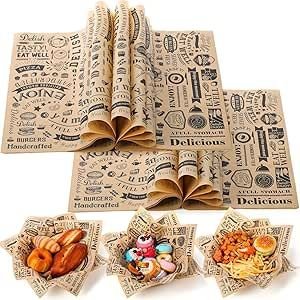
Deli paper
When it comes to food packaging, small details can make a big difference. Deli paper is one of the most practical and versatile packaging materials used by restaurants, cafés, bakeries, food trucks, delis, and catering businesses. It provides a simple way to wrap, separate, line, and present food while helping businesses maintain cleanliness and create an attractive serving experience. From sandwiches and burgers to pastries, cheese, and fried foods, deli paper can be used for a wide variety of applications. Its lightweight design, convenient handling, and professional appearance make it a popular choice for both commercial kitchens and everyday food service.
What Is Deli Paper?
Deli paper is a type of lightweight food-grade paper designed specifically for handling and serving food. Depending on its intended use, it may be grease-resistant, moisture-resistant, or coated to prevent food from sticking to the surface. Deli paper is commonly available in sheets, rolls, and pre-cut sizes. Businesses can choose different sizes, colors, patterns, and printing options according to their packaging needs. Plain white paper provides a clean appearance, while custom-printed deli paper can display a company’s logo, brand colors, or promotional message. Because it is designed for direct food contact, selecting food-safe deli paper is important. The right paper should be appropriate for the type of food being served and the conditions in which it will be used.
Why Is Deli Paper So Popular?
One of the biggest advantages of deli paper is its versatility. A single type of paper can serve several purposes in a food-service environment. For example, a restaurant may use deli paper to wrap sandwiches, line serving baskets, separate baked goods, or protect trays and counters. This reduces the need for multiple packaging materials and makes everyday food preparation more convenient. Deli paper is also easy to handle. Employees can quickly tear, fold, or place sheets around food without complicated packaging equipment. This can be particularly useful during busy service periods when speed and efficiency are important. Another advantage is presentation. Even a simple meal can look more appealing when it is neatly wrapped or served on clean, attractive deli paper.
Common Uses of Deli Paper
Deli paper has many applications in the food industry. Some of the most common uses include:
Sandwich and Burger Wrapping
Deli paper is frequently used to wrap sandwiches, burgers, wraps, and other handheld foods. Wrapping the food can make it easier for customers to hold and eat while helping contain crumbs, sauces, and oils. It can also give takeaway meals a neat and professional appearance.
Basket and Tray Lining
Restaurants and cafés often use deli paper to line food baskets and serving trays. Instead of placing food directly on the surface, businesses can create a clean barrier between the food and the serving container. This is especially common for burgers, fries, fried chicken, sandwiches, and appetizers.
Bakery and Pastry Packaging
Bakeries can use deli paper to handle cookies, pastries, doughnuts, muffins, and other baked products. The paper can provide a convenient layer between products and packaging containers while making individual items easier to serve.
Food Separation
Deli paper can also be placed between food items to prevent them from sticking together. This can be useful for separating slices of cheese, meat, baked goods, or other products during storage and preparation.
Takeaway and Delivery Orders
For takeaway businesses, deli paper can be an additional layer of protection inside food containers. It can help keep individual food items organized while improving the overall appearance of a takeaway order.
Choosing the Right Deli Paper
Not all deli paper is identical, so businesses should consider several factors before purchasing it.
First, consider the type of food being served. Greasy foods may require grease-resistant paper, while foods containing moisture may require a paper designed to handle damp conditions. Next, consider the paper’s size. Small sheets may be suitable for individual pastries or sandwiches, while larger sheets can be more useful for wrapping burgers, subs, or larger food products. Thickness is another consideration. A paper that is too thin may tear easily when used with heavier or oily foods. Choosing an appropriate weight can make handling easier and reduce packaging waste. Businesses should also check whether the paper is specifically manufactured for food contact. Food safety should always be a priority when selecting packaging materials.
Custom Printed Deli Paper for Branding
Packaging is more than just a way to protect food. It can also be an effective branding opportunity.
Custom deli paper allows businesses to print logos, slogans, illustrations, patterns, or other brand elements directly onto the paper. When customers receive food wrapped in branded packaging, the presentation can feel more distinctive and memorable. For restaurants and cafés, custom deli paper can also create consistency across the customer experience. Matching the paper with menus, takeaway boxes, cups, and other packaging can help establish a recognizable visual identity. Even a relatively simple design can turn ordinary food packaging into a branded presentation tool.
Deli Paper and Food Presentation
The appearance of food can influence the overall dining experience. Clean, well-organized presentation can make meals feel more appealing and professionally prepared. Deli paper provides an easy way to improve presentation without adding complicated packaging. A sandwich wrapped neatly in printed paper or a basket lined with an attractive sheet can look more polished than food placed directly on a tray. For food businesses that focus on casual dining, deli paper can also contribute to a relaxed and modern serving style.
Is Deli Paper Environmentally Friendly?
Environmental considerations are increasingly important when choosing food packaging. The environmental impact of deli paper depends on its material, coatings, printing processes, and disposal options. Some paper products may be recyclable under certain conditions, while others may contain coatings that affect recyclability. Businesses interested in reducing environmental impact should check the manufacturer’s specifications and local recycling requirements. Using only the amount of packaging necessary can also help reduce material consumption. Selecting appropriately sized sheets and avoiding unnecessary layers are simple ways businesses can manage packaging waste.
Deli Paper for Different Food Businesses
Deli paper is suitable for many types of food-service businesses. Restaurants can use it for burgers, sandwiches, and appetizers. Cafés can use it for pastries and breakfast foods. Bakeries can use it to handle baked goods, while food trucks can use it for quick-service meals. Catering companies may also find deli paper useful because it is lightweight, easy to transport, and simple to use during events. Because it can serve several purposes, deli paper can be a practical addition to almost any professional food-service operation.
Tips for Using Deli Paper Effectively
To get the most from deli paper, businesses should store it in a clean, dry location away from moisture and contaminants. Employees should handle unused sheets properly to maintain food hygiene. It is also useful to select the paper according to the food rather than using one product for every application. Greasy foods, delicate pastries, and moist dishes may each require different paper characteristics. For branded deli paper, businesses should choose a design that is easy to recognize without distracting from the food itself.
Conclusion
Deli paper is a simple yet highly useful food-packaging solution. Its ability to wrap, line, separate, and present different types of food makes it valuable in restaurants, cafés, bakeries, food trucks, catering operations, and takeaway businesses. Beyond practical food handling, deli paper can contribute to a cleaner presentation and provide an opportunity for businesses to showcase their branding. By considering factors such as food safety, size, strength, grease resistance, design, and environmental impact, businesses can select deli paper that fits their specific requirements.