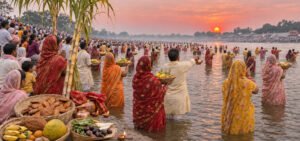
Chhath Puja is one of the most sacred Hindu festivals, celebrated with deep devotion, discipline and purity. During Chhath Puja 2026, maintaining cleanliness in the kitchen is considered especially important because the food prepared there is offered as prasad to Chhathi Maiya and Surya Dev. A clean kitchen reflects devotion, respect and the spiritual significance of this traditional festival.
Kitchen cleanliness during Chhath Puja is not simply a household practice; it is an essential part of the preparation for the festival. From washing utensils to preparing sattvik food, every activity is performed with care. At Sadhana Shop, we believe that understanding traditional rituals helps devotees celebrate festivals with greater awareness and devotion.
Let’s explore why kitchen purity matters during Chhath Puja, which traditional practices families follow and how devotees can prepare their kitchens for the festival.
Why Is Kitchen Purity Important During Chhath Puja 2026?
Kitchen purity is important during Chhath Puja 2026 because the food prepared in the kitchen is used as an offering to the Sun God and Chhathi Maiya. Devotees believe that cleanliness, discipline and sattvik preparation make the prasad spiritually appropriate for the occasion.
Chhath Puja is associated with strict religious observances. Devotees follow traditional rules while preparing offerings, including Thekua, fruits, rice and other festive food items. Since these offerings are considered sacred, special attention is given to the cleanliness of the cooking area.
A clean kitchen also represents a peaceful and disciplined environment. Families make sure that the cooking space, utensils and ingredients are properly cleaned before beginning the preparations.
What Does a Pure Kitchen Mean During Chhath Puja?
A pure kitchen means a cooking space that is clean, organised and free from unwanted impurities. Many families follow specific customs to maintain its purity throughout the festival.
Separate Utensils for Chhath Puja Prasad
In many households, separate utensils are reserved for preparing Chhath Puja offerings. These utensils are thoroughly washed and kept in a clean place. This practice helps maintain consistency with family traditions and ensures that regular cooking activities do not interfere with prasad preparation.
Avoiding Non-Sattvik Ingredients
Many devotees prepare food without onion, garlic and other ingredients that are avoided according to their family traditions. The emphasis is on simple, vegetarian and sattvik food prepared with devotion.
Traditional Kitchen Cleaning Rituals Before Chhath Puja
Preparing the kitchen is one of the important activities before the festival begins. Families clean their homes, organise cooking materials and arrange everything required for prasad preparation.
Some common practices followed by devotees include:
- Cleaning the kitchen floor: The cooking area is thoroughly cleaned before festival preparations begin.
- Washing cooking utensils: Plates, containers, pans and other utensils are washed properly.
- Cleaning the cooking stove: The stove and surrounding surfaces are cleaned before preparing sacred food.
- Selecting fresh ingredients: Fruits, flour, jaggery, rice and other ingredients are checked and cleaned.
- Maintaining personal hygiene: People preparing prasad wash their hands and wear clean clothes.
- Keeping the kitchen organised: Ingredients and utensils are arranged separately for convenient preparation.
These practices help create a clean and peaceful environment for performing religious activities.
Why Is Sattvik Food Prepared During Chhath Puja?
Sattvik food is prepared during Chhath Puja because it represents simplicity, purity and devotion. Traditional offerings are generally made using vegetarian ingredients without unnecessary spices or ingredients that families avoid during religious observances.
Thekua is among the most recognised offerings prepared during Chhath Puja. It is traditionally made using wheat flour, jaggery and ghee. Other offerings may include seasonal fruits, sugarcane, coconut and rice-based preparations.
Importance of Clean Ingredients
Fresh and clean ingredients are important when preparing prasad. Fruits should be washed, grains should be checked and cooking ingredients should be stored properly.
The preparation process is also treated as a devotional activity. Many families believe that maintaining cleanliness at every stage shows respect towards the offerings being prepared.
Chhath Puja 2026 Kitchen Preparation: A Step-by-Step Guide
Preparing a kitchen for Chhath Puja does not have to be complicated. Following a few traditional practices can help families organise their preparations.
How to Prepare Your Kitchen for Chhath Puja?
Step 1: Clean the Entire Cooking Area
Start by cleaning the kitchen floor, countertops, shelves and cooking stove. Remove unnecessary items and make sufficient space for festival preparations.
Step 2: Wash and Organise Utensils
Clean all utensils that will be used for making prasad. Keep them in a separate and hygienic place until needed.
Step 3: Arrange Ingredients in Advance
Purchase fresh fruits, wheat flour, jaggery, ghee, rice and other required ingredients. Store them in clean containers to protect them from dust and moisture.
Step 4: Prepare Traditional Prasad Carefully
Prepare Thekua and other offerings according to your family’s customs. Avoid mixing regular food preparation with sacred prasad preparation.
Step 5: Maintain Cleanliness Throughout the Festival
Kitchen cleanliness should not be limited to the first day. Maintain hygiene during all four days of Chhath Puja, including Nahay Khay, Kharna, Sandhya Arghya and Usha Arghya.
Sadhana Shop encourages devotees to understand the significance of traditional puja practices and prepare for festivals with devotion and care.
Connection Between Kitchen Purity, Dev Uthani Ekadashi and Shiv Chalisa
Hindu festivals and religious observances often emphasise devotion, discipline and spiritual cleanliness. Kitchen purity during Chhath Puja is one example of how these values are reflected in everyday religious practices.
Dev Uthani Ekadashi is another important Hindu observance associated with Lord Vishnu. It marks the traditional awakening of Lord Vishnu after the four-month period of Chaturmas. Devotees observe fasting, perform puja and follow specific dietary practices according to their beliefs.
Similarly, Shiv Chalisa is a devotional prayer dedicated to Lord Shiva. Devotees recite it to express their faith and seek divine blessings. It is commonly included in personal worship and religious routines.
Although these observances have different religious significance, they share an emphasis on devotion, self-discipline and maintaining a spiritually focused environment.
How Do Cleanliness and Devotion Complement Each Other?
Cleanliness and devotion are closely connected in many Hindu traditions. Keeping the home and kitchen clean before religious occasions creates an organised environment for prayers and rituals.
During Chhath Puja, this becomes particularly important because food preparation is directly connected with the sacred offerings made to the Sun God and Chhathi Maiya.
Common Mistakes to Avoid While Preparing Chhath Puja Prasad
Even small mistakes can create difficulties during festival preparations. Keeping a few important points in mind can make the process easier.
- Do not use unwashed utensils for preparing prasad.
- Avoid storing ingredients in open or unclean containers.
- Do not mix regular cooking utensils with separately reserved puja utensils.
- Avoid using stale or damaged fruits for offerings.
- Do not leave the cooking area dirty after preparing prasad.
- Follow your family’s traditional rules regarding ingredients and food preparation.
How Can Families Maintain Kitchen Hygiene During the Festival?
Families can maintain kitchen hygiene by cleaning surfaces regularly, washing hands before handling ingredients and keeping food covered. Fresh ingredients should be stored properly, and cooked offerings should be protected from dust and insects.
These simple precautions support both traditional cleanliness practices and everyday food hygiene.
Conclusion
Keeping the kitchen pure and clean during Chhath Puja 2026 is an important tradition that reflects devotion, discipline and respect for sacred offerings. From cleaning utensils to preparing sattvik prasad, every step has a special place in the festival’s observances.
Whether you are preparing Thekua, arranging fruits or organising your puja essentials, remember that cleanliness and devotion go hand in hand. Celebrate Chhath Puja and Shiv Chalisa with faith and follow your family’s traditional practices.
Explore Sadhana Shop for devotional inspiration and make your festive preparations more meaningful with an understanding of India’s rich spiritual traditions.
Frequently Asked Questions (FAQs)
1. Why is the kitchen kept clean during Chhath Puja 2026?
The kitchen is kept clean because prasad prepared there is offered to Surya Dev and Chhathi Maiya. Cleanliness represents purity, discipline and devotion. Devotees follow traditional hygiene practices to maintain the sanctity of food preparation.
2. Can we use regular utensils for Chhath Puja prasad?
Many families prefer using separate utensils for preparing Chhath Puja prasad. These utensils are cleaned and stored separately. However, customs may differ between households, so devotees generally follow their family traditions.
3. Why is onion and garlic avoided during Chhath Puja?
Many devotees avoid onion and garlic because they follow sattvik dietary practices during religious observances. The focus is on preparing simple vegetarian food using traditional ingredients such as wheat flour, jaggery, ghee and fruits.
4. Which foods are traditionally prepared during Chhath Puja?
Thekua is one of the most popular offerings prepared during Chhath Puja. Other traditional offerings include fruits, coconut, sugarcane, rice-based preparations and seasonal food items, depending on regional and family customs.
5. How many days should the kitchen remain clean during Chhath Puja?
Kitchen cleanliness is maintained throughout the four-day Chhath Puja celebration. Devotees pay special attention to hygiene during Nahay Khay, Kharna, Sandhya Arghya and Usha Arghya.
6. What is the connection between Dev Uthani Ekadashi and Chhath Puja?
Dev Uthani Ekadashi and Chhath Puja are separate Hindu religious observances. Dev Uthani Ekadashi celebrates the traditional awakening of Lord Vishnu, while Chhath Puja involves worshipping Surya Dev and Chhathi Maiya.
7. Can Shiv Chalisa be recited during Chhath Puja?
Shiv Chalisa can be recited as part of personal devotional practice during Chhath Puja. It is a prayer dedicated to Lord Shiva. Devotees may include it in their daily worship according to their personal beliefs and family traditions.
About the Author
Sadhana Shop Editorial Team shares informative articles about Hindu festivals, religious traditions, puja rituals and devotional practices. The team aims to help readers understand the cultural and spiritual significance of important Hindu celebrations.