Floors in commercial environments deal with a surprising amount of daily wear. Customers, employees, delivery workers, and visitors bring in dust and grit, while spills, trolley movement, and equipment use leave marks that ordinary cleaning may not fully remove. Over time, this buildup can affect the appearance of a floor and make routine maintenance less effective. Scrubbing Services offer a practical way to remove stubborn dirt from suitable surfaces and maintain cleaner, more presentable indoor and outdoor areas.
The requirements vary considerably between sites. A retail store may need frequent attention around entrances and checkout areas, while a warehouse may collect dust, residue, and marks from moving equipment. Shared buildings, healthcare facilities, educational settings, and industrial premises also have different cleaning priorities. Understanding the surface, the type of contamination, and how the area is used helps determine which methods will deliver a useful result without causing unnecessary wear.
Understanding the Difference Between Routine Cleaning and Scrubbing
Routine sweeping and mopping are useful for removing loose dirt and everyday spills, but they do not always reach deeply embedded grime. Foot traffic can press fine particles into textured surfaces, while repeated use may leave a thin layer of residue that becomes difficult to remove with basic equipment. Scrubbing uses mechanical action, often combined with water and an appropriate cleaning solution, to loosen and lift this buildup.
The difference is particularly noticeable in large areas where manual cleaning takes considerable time. Scrubbing Services can help address widespread surface contamination more consistently, provided the equipment and cleaning method suit the material. However, scrubbing is not automatically necessary for every floor or every cleaning visit. Some surfaces need gentle treatment, and others may require specialist care. A sensible maintenance plan combines daily cleaning with more intensive work when the condition of the floor indicates that it is needed.
Choosing the Right Equipment for Each Surface
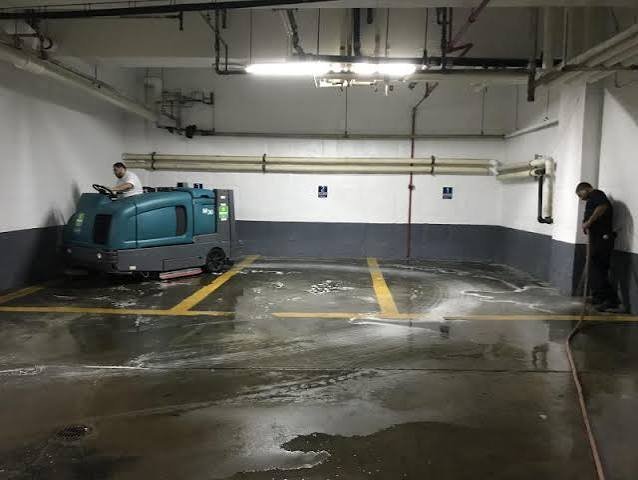
Floor scrubbers come in different sizes and configurations. Smaller machines can work well in narrow corridors, compact retail spaces, and areas with many obstacles. Larger ride-on or walk-behind machines may be more suitable for expansive warehouses, shopping centres, and open commercial floors. The choice depends on available space, cleaning frequency, access restrictions, and the volume of work involved.
Surface compatibility is equally important. Sealed concrete, vinyl, ceramic tile, and other hard flooring materials may respond differently to brushes, pads, detergents, and water levels. Abrasive equipment can damage delicate finishes, while excessive moisture may affect surfaces that are not designed for wet cleaning. Before work begins, operators should review manufacturer guidance and test an inconspicuous area where appropriate. Selecting equipment carefully helps achieve consistent results while protecting the floor’s finish.
Removing Dirt Without Creating Additional Hazards
Cleaning should improve safety rather than introduce new risks. Wet floors can become slippery, and cleaning equipment may obstruct narrow walkways or interfere with moving vehicles in industrial facilities. Water left behind can also enter electrical areas or reach materials that are sensitive to moisture. These concerns make work planning an important part of any intensive floor-cleaning task.
A responsible procedure includes clearly marking wet areas, directing pedestrian traffic away from active work zones, and allowing sufficient drying time. Operators should use appropriate personal protective equipment and follow instructions for handling cleaning chemicals. Scrubbing Services performed in active workplaces should also be coordinated with site managers so that staff and visitors know which sections are temporarily unavailable. Where possible, cleaning during quieter periods can reduce disruption and make it easier to isolate the work area.
Developing an Effective Cleaning Routine
The best cleaning frequency depends on traffic, contamination, surface type, and the standards required for the space. A busy entrance may need daily attention, while a storage area with limited foot traffic may only require periodic intensive scrubbing alongside ordinary maintenance. Food preparation areas, production environments, and other specialised workplaces may have additional hygiene or operational requirements that influence the schedule.
A practical routine usually includes several steps:
-
Inspecting the floor to identify stains, residue, damaged finishes, and areas of heavy wear.
-
Removing loose dirt before using a scrubbing machine.
-
Selecting a suitable brush or pad and a compatible cleaning solution.
-
Adjusting water and chemical use to the surface and level of contamination.
-
Managing pedestrian access until the floor is safe to use.
-
Reviewing the finished surface and recording issues that require repairs or further treatment.
The routine should be reviewed when site conditions change. Renovations, new equipment, seasonal weather, or increased visitor numbers can all affect how quickly floors become dirty. Keeping simple records allows managers to identify areas that need more attention without increasing the cleaning frequency everywhere.
Managing Water, Chemicals, and Waste Responsibly
Mechanical floor cleaning can be efficient, but the process still requires thoughtful resource management. Excessive water use can increase drying time and create more wastewater to handle. Using too much detergent may leave a residue that attracts additional dirt or makes a floor feel slippery. The goal should be to use the least amount of water and cleaning product necessary to achieve an appropriate result.
Cleaning teams should follow product instructions and local requirements for wastewater disposal. In facilities with drains connected to sensitive systems, managers need to understand how wastewater should be collected or treated. Environmentally responsible cleaning also includes maintaining machines properly, replacing worn components, and using suitable products rather than assuming stronger chemicals will produce better results.
Sweep N Scrub is one name associated with professional cleaning services, but the broader lesson is that methods should be matched to each facility’s needs. A clear agreement about surfaces, work hours, chemical use, and expected results can help building managers evaluate any service arrangement more effectively.
Recognising When Professional Cleaning Is Useful
Some cleaning challenges are difficult to resolve with standard equipment. Large floor areas, persistent residue, extensive staining, and surfaces that require specialised handling may benefit from trained operators and commercial machinery. Professional assessment can also help identify whether a problem comes from dirt, an unsuitable previous cleaning method, surface deterioration, or another underlying issue.
Scrubbing Services can be particularly useful when routine maintenance no longer restores the expected appearance of a floor. Even so, scrubbing cannot repair cracks, replace damaged coatings, or reverse every type of staining. Managers should distinguish between cleaning needs and repair needs to avoid expecting one process to solve unrelated problems. Regular inspection and realistic maintenance planning are more effective than waiting until the floor becomes difficult to manage.
Conclusion
Effective floor care depends on using the right methods at the right time. Routine cleaning removes everyday dirt, while periodic scrubbing can address heavier buildup on suitable surfaces. By selecting compatible equipment, managing moisture carefully, and adjusting schedules to actual site conditions, commercial property managers can maintain cleaner floors and reduce unnecessary wear. A consistent, well-planned approach supports both the appearance and practical use of the workplace.