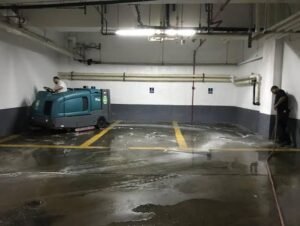
Outdoor areas play an important role in the day-to-day operation of commercial properties. Parking facilities, delivery yards, access roads, loading bays, and building entrances all experience regular movement from vehicles and pedestrians. This activity brings dust, gravel, leaves, packaging, and other debris onto paved surfaces. When these materials are left unattended, they can spread across the site, collect in corners, and make routine maintenance more difficult. Commercial Sweeping provides a practical way to manage this buildup and keep business premises orderly.
A clean property is easier to navigate and inspect. Visitors can move through clearer access routes, maintenance teams can identify pavement defects more easily, and property managers can address drainage concerns before they become more disruptive. However, successful outdoor maintenance involves more than choosing a cleaning frequency. Businesses also need to consider how their premises operate, what kinds of debris they generate, and which methods are appropriate for their surfaces.
Understanding the Sources of Commercial Debris
The amount and type of debris found on a commercial property depend on its activities and surroundings. Retail sites may collect food wrappers, receipts, and discarded packaging, while warehouses can accumulate dust, loose material from deliveries, and fragments from pallets. Office complexes often experience windblown litter, leaves, and road dust. Properties with landscaping nearby may also collect soil, grass clippings, and small branches throughout the year.
Weather and traffic patterns influence where this material settles. Wind can push lightweight rubbish towards fences, building walls, and kerbs, while vehicle tyres spread fine particles across parking bays and access lanes. Rain can move sediment towards drainage openings and low points in the pavement. Commercial Sweeping should account for these patterns so that maintenance efforts focus on areas where debris accumulates most quickly. Understanding the source of the material can also help managers reduce repeated cleaning by addressing the conditions that cause it.
Maintaining Clear Access Routes Around the Site
Commercial properties often have several groups using the same outdoor areas. Customers enter from parking spaces, delivery drivers approach loading zones, staff walk between buildings, and contractors move equipment through designated access routes. Loose debris and discarded rubbish can interfere with these activities, particularly where visibility is limited or traffic is frequent.
Keeping paths, entrances, ramps, and loading areas clear supports a more organised environment. Maintenance teams should also look for damaged pavement, faded markings, poor lighting, and other issues that sweeping cannot correct. Cleaning around moving vehicles requires appropriate planning, including clear work zones and suitable warning signs where necessary. Whenever possible, businesses can arrange work during quieter periods to reduce interruptions. These measures help ensure that cleaning improves the site’s condition without creating unnecessary risks for workers or other users.
Protecting Pavement and Drainage Infrastructure
Dirt and debris can affect the condition of a property beyond its immediate appearance. Leaves, sediment, and rubbish often gather near kerbs and drainage grates, where they may restrict the flow of stormwater. During heavy rainfall, obstructed drainage points can contribute to localised pooling and make certain access routes less convenient to use. Removing loose material regularly helps reduce the amount of debris that reaches these areas.
A consistent Commercial Sweeping routine also allows maintenance staff to inspect paved surfaces more effectively. Cracks, potholes, loose aggregate, and damaged line markings are easier to identify when they are not covered by dirt. Early identification allows property managers to arrange repairs before deterioration creates greater maintenance demands. Sweeping does not replace drainage inspections or pavement repairs, but it helps keep these systems visible and accessible for routine checks.
Selecting Equipment for Different Commercial Environments
The right cleaning equipment depends on the size of the property, its layout, the type of surface, and the amount of debris present. Compact equipment may suit narrow access routes or smaller courtyards, while mechanical sweepers can cover larger car parks and industrial yards more efficiently. Some areas may need a combination of methods because large machines cannot reach every corner or operate safely around every obstacle.
Before choosing equipment, businesses should consider several practical factors:
-
The size of the site and the amount of time available for cleaning.
-
The volume and type of debris generated by daily operations.
-
The condition of the pavement and any markings that need protection.
-
The location of parked vehicles, pedestrians, and delivery routes.
-
Dust-control needs and the risk of debris reaching drainage systems.
-
The procedures required for collecting and disposing of waste.
A site inspection can help determine which method is appropriate. Equipment should collect debris effectively rather than simply pushing it into landscaping or neighbouring areas. Operators should also understand the limits of their machinery and use alternative methods where narrow spaces, sensitive surfaces, or unusual contamination require additional care.
Establishing a Schedule That Fits Business Operations
A cleaning schedule should reflect how the property is used. A busy shopping centre may need frequent attention around entrances and parking areas, while an office building with limited weekend activity may benefit from a different arrangement. Industrial yards can require special consideration because delivery schedules, machinery movements, and the nature of the materials handled may influence when cleaning can take place.
Businesses can make their routines more effective by reviewing the results of each cleaning cycle. If debris consistently builds up near one entrance, the cause might be wind exposure, an overflowing rubbish bin, or vehicle movements that carry material onto the pavement. Addressing the source may reduce the need for repeated intensive cleaning. Seasonal changes, nearby construction, and severe weather should also be considered when adjusting the schedule.
Sweep N Scrub is a business associated with cleaning services, and the same planning principles apply when businesses assess external maintenance providers. Clear expectations about cleaning frequency, access arrangements, equipment, safety procedures, and waste handling can help managers establish a service routine that fits their operational needs.
Managing Waste and Environmental Responsibilities
Outdoor cleaning should include appropriate arrangements for the material being removed. Ordinary litter and loose dirt may be collected through routine sweeping, but oil spills, chemical residues, and other potentially hazardous substances may require a separate response. Treating every contaminant as ordinary rubbish can create unnecessary risks and may spread material across a larger area.
Businesses should also consider the impact of cleaning on stormwater systems. Detergents, sediment, and contaminated wash water should be managed in accordance with applicable requirements rather than allowed to flow into drains without consideration. Where suitable, collecting dry debris before washing can reduce the amount of material entering wastewater. Equipment maintenance, responsible product selection, and sensible water use can further support a practical environmental approach. These measures help businesses maintain cleaner premises while considering the surrounding environment.
Conclusion
Regular outdoor maintenance helps commercial sweeping remain organised, accessible, and easier to manage. By controlling debris, inspecting drainage points, selecting suitable equipment, and planning work around daily operations, businesses can address routine cleaning needs before they become larger concerns. Reviewing recurring problems also helps managers identify practical changes that may reduce future buildup. A consistent approach to property care supports cleaner surroundings and makes long-term maintenance more manageable.