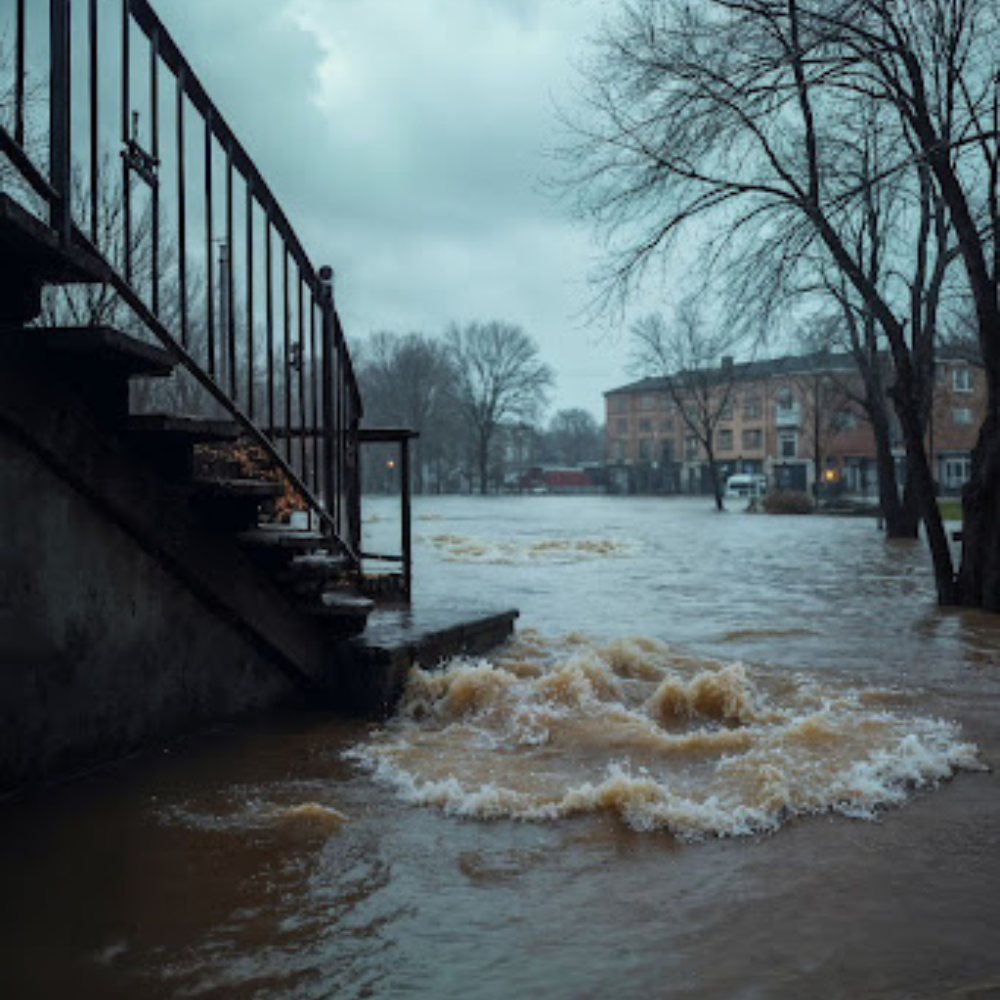
Florida homeowners spend a lot of time worrying about hurricanes, and not nearly enough time worrying about water that comes in sideways, from below, or just sits there after the storm is gone. Then the mortgage lender asks for proof of flood coverage and everyone scrambles. Getting a private flood insurance quote sounds simple enough. It isn’t, not always. Two houses on the same street can end up with very different results, and the owner is left staring at two documents wondering which one is wrong. Usually neither is. The differences come from how each carrier sees the property, and that’s what this post walks through.
What a private flood policy actually is
Most people only know the federal program, the NFIP. It has been around for decades and it’s the default for a lot of buyers. A private flood policy is the other option. It’s sold by commercial carriers, not the government, and it’s written with their own rules, their own appetite for risk, their own pricing models. The short answer to “is it real insurance” is yes, and lenders can accept it as long as it meets certain standards. But “private” doesn’t mean identical to the federal version. Some policies are broader, some are narrower, and a few carriers will only touch certain kinds of homes. That’s the first thing to understand.
Why the numbers don’t match the federal program
Let’s be real, the federal program prices things in a fairly blunt way. It leans heavily on flood zone maps and a set of rating rules that apply nationwide. Private carriers can go further. They pull in elevation data, past claims in the area, distance to water, even how the ground drains after heavy rain. So a home that looks risky on a map might look fine to a private underwriter, and the reverse can happen too. That’s why a flood coverage estimate from one place can feel disconnected from another. Different inputs, different answers. It’s not a trick, it’s just math done two different ways.
What underwriters really look at
Truth is, the home itself matters more than most owners expect. Elevation is a big one, and an up to date elevation certificate can change the whole picture. Then there’s the foundation type, whether there’s an enclosed area under the house, how old the roof and electrical are, and what the building is made of. Location gets checked down to the street. Prior flood losses at the address come up, sometimes even ones from previous owners. If something on the application is vague, the carrier tends to assume the worse version. So the more accurate the details going in, the more believable the quote coming out.
Where specialist flood insurance brokers fit in
A regular agent might have access to one or two carriers for flood, sometimes just the federal program. Specialist flood insurance brokers work differently. They deal with flood every day, they know which carriers like which kinds of homes, and they know where the awkward cases tend to get stuck. A coastal condo, a house with a finished lower level, a property that was recently remapped. Those are the files where a broker earns their keep. They also tend to catch application mistakes before they cost anything. Is it required? No. But for tricky properties, it saves a lot of back and forth.
Little things that move the result
Some of the stuff that shifts a quote is surprisingly small. Moving the water heater and the electrical panel up off the floor can matter in certain cases. Flood vents in the foundation walls matter too. So does how the lower level is used, storage versus living space. Deductible choices change things, and so does how much the owner wants covered for the building versus the contents. Honestly, a lot of homeowners skip the contents part and regret it later. A decent flood insurance broker will ask about these things early, because they’re easy to overlook when someone just wants a number fast.
Coverage gaps and the fine print
Cheap isn’t the same as good here, and everybody knows it but still forgets it when comparing. Some private policies cover things the federal one won’t, like additional living expenses while the house is being repaired, or a higher limit for the structure. Others leave out basements, detached buildings, or certain types of finishes. Waiting periods can differ, and they’re often shorter, which helps if a purchase is closing soon. Read the exclusions, not just the summary page. Ask how claims actually get paid, and ask whether the policy is written by a carrier with solid financial ratings. Boring questions, yes, but they matter.
Mistakes people make when comparing
The most common one is comparing a private flood insurance quote and a federal one as if they were identical products. They’re not. Another one is lowballing the details, such as saying the house is higher than it is, to get a better number. That tends to come back around at claim time. People also wait until a storm is in the forecast, and by then there’s usually a binding restriction in place, so it’s too late. And some skip asking about what happens when the home is sold, since many private policies don’t transfer the way people assume. Small stuff, big consequences.
So what’s the smart move
A flood policy isn’t something to rush, even when a lender is pushing. The smart approach is to gather the home’s details first, get more than one option on paper, and compare coverage line by line instead of staring at the bottom line. For anyone with a complicated property, working with specialist flood insurance brokers can make the whole thing less of a headache, and it often opens doors that a single carrier wouldn’t. Get the private flood insurance quote before it feels urgent. Water doesn’t care about timelines, and neither do hurricane seasons. Better to be covered and bored than the other way around.