Bringing Natural Character Into Modern Interiors With Timber Lining
Modern interior design increasingly focuses on creating spaces that feel comfortable, natural and visually connected to the environment. While paint, plaster and decorative panels remain common choices, timber can introduce a warmth and character that manufactured finishes often struggle to replicate. One practical way to achieve this effect is through hardwood lining, which can transform walls and ceilings into distinctive architectural features while adding a natural material element to the interior.
Timber lining works particularly well in homes, offices, hospitality spaces and commercial interiors where designers want to combine contemporary styling with natural textures. The grain, colour and surface character of timber can create a sense of depth without making a room feel overly decorated. Depending on the timber species, profile and installation approach, the finished surface can appear subtle and understated or become a strong visual feature.
Understanding the Role of Timber Lining
Timber lining generally refers to timber boards or profiles installed over walls, ceilings or other interior surfaces to create a finished architectural appearance. Unlike structural timber, lining products are primarily selected for their visual qualities and suitability as a finished surface. They can be used across an entire wall or applied selectively to highlight particular areas within a room.
The appeal of hardwood comes from its natural appearance and material character. Each board can have variations in grain, colour and texture, giving the finished installation a more organic appearance. This makes timber lining particularly useful for projects where consistency and natural character need to work together.
The choice of profile can also influence the appearance of the finished surface. Vertical boards can visually emphasise ceiling height, while horizontal arrangements can make a wall appear broader. More distinctive profiles can introduce additional shadow lines and texture, helping designers create architectural interest without relying on multiple decorative materials.
Why Natural Timber Works Well in Contemporary Design
Contemporary interiors often use simple forms, neutral colours and clean architectural lines. Although this approach creates a refined appearance, excessive use of hard and uniform surfaces can sometimes make a space feel visually cold. Natural timber can provide contrast by introducing warmth, variation and texture.
Hardwood lining can complement materials such as concrete, glass, steel, stone and painted surfaces. A timber-lined wall against a minimalist background can become a focal point while maintaining an uncluttered design language. In residential interiors, it can be particularly effective around living areas, bedrooms, hallways and feature walls.
The natural grain of timber also changes subtly under different lighting conditions. Daylight can emphasise variations in the surface, while carefully positioned artificial lighting can create shadows between boards and highlight the texture. This interaction between timber and light can contribute significantly to the atmosphere of an interior.
Choosing the Right Hardwood for an Interior Project
Selecting timber should begin with the intended appearance of the space. Different hardwood species offer different combinations of colour, grain, texture and natural character. Some species have relatively subtle visual patterns, while others provide stronger grain variation that can become a prominent design feature.
The surrounding interior should also be considered. A room with dark cabinetry, flooring and furniture may benefit from a lighter timber surface that introduces contrast. Conversely, a lighter interior can accommodate richer timber tones to create a stronger focal point.
The desired level of visual consistency is another consideration. Natural hardwood is not necessarily uniform from board to board, and this variation can be part of its appeal. Designers and homeowners should therefore consider how natural differences in colour and grain will contribute to the overall installation.
For larger projects, ordering enough material from a suitable product range and discussing requirements with a timber supplier can help maintain consistency across the installation.
Creating Feature Walls With Timber
Feature walls are one of the most effective applications for timber lining. Rather than covering every wall in a room, timber can be concentrated on one carefully selected surface. This creates a visual focal point while allowing other finishes to remain simple.
A feature wall can be positioned behind a television, bedhead, reception desk or dining area. In commercial environments, timber lining can also be used behind counters or within entrance areas to establish a welcoming visual identity.
The direction of the boards can change the perceived proportions of the room. Vertical lining can draw attention upward and complement high ceilings, while horizontal installation can emphasise the width of a space. More creative arrangements can combine different orientations or profiles, although the design should remain consistent with the overall architectural concept.
Using Timber Lining on Ceilings
Timber is not limited to walls. Timber lining can also create a distinctive ceiling treatment that adds warmth to rooms where walls are intentionally kept simple. A timber ceiling can work particularly well in open-plan living spaces, dining areas, restaurants and hospitality environments.
Ceiling applications can also help define zones within a larger open-plan layout. For example, timber may be installed above a dining or seating area while surrounding ceiling surfaces remain neutral. This creates a visual boundary without requiring physical partitions.
Lighting should be considered alongside the timber installation. Recessed lights, pendant fixtures and concealed lighting can interact with the timber surface to create different visual effects. Planning both elements together can result in a more cohesive finished space.
Combining Hardwood With Other Interior Materials
One of the advantages of timber lining is its ability to work alongside a wide range of materials. In contemporary homes, timber can be paired with white walls, natural stone benchtops, black metal fixtures and glass. These combinations allow the timber to provide warmth while the other materials contribute contrast and structure.
In commercial interiors, timber can help soften spaces that contain large amounts of concrete, metal or glass. Restaurants and cafés may use timber surfaces to create a more welcoming environment, while offices can incorporate timber into meeting rooms, reception areas and collaborative spaces.
The key is to consider timber as part of the complete material palette rather than treating it as an isolated decorative element. Matching the timber tone with flooring, cabinetry or furniture can create continuity, while deliberately contrasting materials can make the lining more prominent.
Considering Installation and Surface Preparation
A successful timber lining project depends on more than choosing an attractive species. The supporting surface, installation method and finishing requirements should all be considered before work begins. Walls and ceilings need appropriate preparation so that boards can be installed accurately and remain visually consistent.
Moisture and environmental conditions can also influence timber performance. Interior areas with significant changes in humidity may require appropriate product selection and installation practices. Allowing materials to acclimatise where recommended and following supplier or manufacturer guidance can help support a successful installation.
Accurate measurements are equally important. Calculating the required quantity before ordering helps reduce interruptions during installation and allows the project team to plan for cutting and potential material requirements.
Maintaining the Natural Appearance of Timber
One reason timber remains popular in interior architecture is that it can age gracefully when appropriately selected, installed and maintained. The maintenance requirements will depend on the timber species, finish and location. Regular cleaning can help preserve the appearance of the surface, while suitable finishes may provide additional protection and influence the final colour and sheen.
It is important to use cleaning and maintenance products that are appropriate for the specific timber and finish. Harsh products or unsuitable cleaning methods can affect the surface and alter its appearance. Following the recommendations associated with the selected product provides a more reliable approach to long-term care.
Natural timber may also develop subtle changes in colour over time due to exposure to light. For many interiors, this gradual development contributes to the character of the material rather than being considered a disadvantage.
Designing Spaces That Feel Connected to Nature
The growing interest in natural materials reflects a broader desire to create interiors that feel comfortable and connected to the outdoors. Timber can contribute to this approach because it brings an organic material directly into the architectural environment.
Hardwood lining can be especially effective when combined with natural light, indoor plants, stone and other tactile materials. The result can be an interior that feels contemporary while still retaining a strong connection to natural textures.
This approach does not require timber to dominate the entire room. Even a single timber-lined wall or ceiling section can introduce enough warmth to change the character of the space.
Choosing Timber From a Specialist Supplier
The quality of the finished installation begins with the quality and suitability of the timber selected for the project. Working with an experienced timber supplier can help homeowners, builders, architects and designers understand the available species, profiles, dimensions and applications.
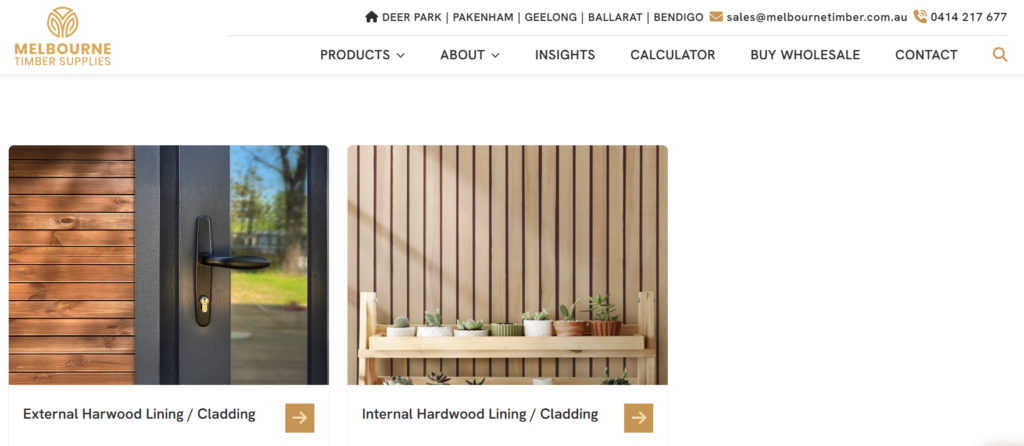
Melbourne Timber Supplies offers hardwood lining and cladding options designed for projects where natural timber character is an important part of the finished design. Its range includes hardwood lining options such as Spotted Gum VJ lining, Spotted Gum shiplap, Blackbutt VJ and Blackbutt shiplap, providing different visual profiles for architectural applications.
For projects requiring timber lining, discussing the intended application, design preferences and installation requirements with a supplier can help narrow down the appropriate material before ordering. This is particularly useful for larger residential and commercial projects where appearance and material consistency are important.
Bringing Timber Character Into Modern Architecture
Interior spaces do not need complicated decoration to feel distinctive. Natural materials can often provide the visual depth and warmth required to create an inviting environment. Hardwood lining offers designers and homeowners a way to introduce timber into walls and ceilings while maintaining a clean architectural appearance.
From feature walls and ceilings to commercial interiors and contemporary residential spaces, timber lining can complement a broad range of design approaches. The combination of natural grain, tactile texture and architectural profiles allows timber to function as both a practical interior finish and a strong design element.
With thoughtful species selection, suitable preparation and careful installation, hardwood lining can become a lasting part of an interior rather than a short-term decorative trend. As natural materials continue to influence contemporary architecture, timber remains a versatile option for creating spaces with warmth, character and a strong sense of material authenticity.