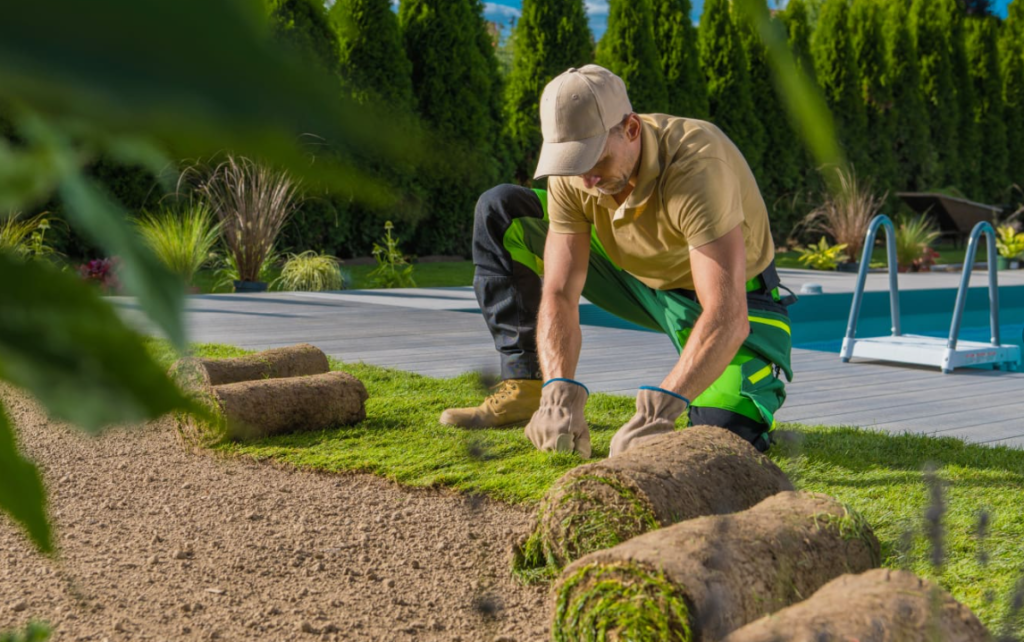
The exterior of a commercial property often creates the first impression for customers, employees, tenants, and visitors. Clean lawns, healthy plants, well-defined landscape beds, and thoughtfully maintained outdoor areas can make a property feel organized and welcoming. Commercial landscaping services provide businesses and property managers with a structured way to maintain these spaces while addressing practical needs such as lawn care, pruning, seasonal cleanup, irrigation, drainage, and landscape improvements. Rather than treating landscaping as an occasional cosmetic task, a professional maintenance approach helps ensure that outdoor areas remain attractive and functional throughout changing seasons and varying weather conditions.
Commercial properties also have different landscaping requirements depending on their size, layout, location, and daily use. An office complex may need consistently maintained entrances and walkways, while a retail center may require attention to high-traffic areas and visible planting beds. HOAs and managed communities may need reliable maintenance across extensive shared spaces. Working with an experienced landscaping provider allows property owners and managers to develop a maintenance strategy that fits these conditions. The goal is to create outdoor areas that support the property’s appearance without creating unnecessary maintenance complications.
Understanding the Scope of Commercial Landscaping
Commercial landscaping encompasses a broad range of services designed to maintain and improve outdoor property environments. Routine lawn maintenance may include mowing, edging, and general turf care, while planting areas may require pruning, weed management, seasonal attention, and replacement of declining vegetation. Larger projects can involve landscape design, installation, drainage improvements, or outdoor lighting. The appropriate combination depends on the property’s existing condition and the owner’s goals. A professional assessment can help identify immediate maintenance priorities while also revealing opportunities for longer-term improvements. By considering the landscape as an interconnected system, property managers can make decisions that support both appearance and functionality rather than addressing isolated issues without considering their underlying causes.
Why Consistent Landscape Maintenance Matters
Consistency is essential for commercial properties because landscaping can quickly become an obvious part of the property’s overall appearance. Overgrown grass, unmaintained shrubs, weeds, and neglected planting beds can make even a well-maintained building appear less organized. Regular service helps prevent these problems from accumulating and provides an opportunity to identify issues while they are still manageable. Maintenance should be based on the property’s actual needs, taking into account seasonal growth, weather conditions, vegetation types, and the amount of activity around the site. A predictable schedule also makes property management easier because outdoor maintenance becomes part of an organized routine rather than an emergency task performed only after problems become noticeable.
Landscape Design and Installation for Business Properties
A commercial landscape should be designed around the way a property is used. Entrances, pedestrian areas, parking zones, outdoor gathering spaces, and building visibility all influence where plants, turf, hardscape features, and other landscape elements should be placed. Good design also considers future maintenance because an attractive installation can become difficult to manage if plants grow beyond available space or landscape features are positioned where routine equipment cannot easily access them. Professional installation helps translate a landscape plan into a functioning outdoor environment while accounting for site conditions and material placement. Businesses can benefit from designs that create visual interest without unnecessarily increasing maintenance demands, making practicality an important consideration alongside appearance.
The Importance of Drainage and Water Management
Water movement can have a major effect on commercial landscapes. Areas that remain saturated after rainfall may develop unhealthy turf, damaged planting beds, erosion, or other recurring problems. At the same time, insufficient water can cause plants and lawns to decline during periods of heat or limited rainfall. Effective water management begins with understanding how water moves across the property and whether irrigation and drainage systems are working as intended. Recurring drainage issues should be evaluated at their source rather than repeatedly treating the visible symptoms. When drainage, irrigation, and landscaping are considered together, property managers can make more informed decisions about maintaining healthy vegetation and protecting landscape improvements.
Landscape Lighting for Function and Appearance
Outdoor lighting can add another dimension to a commercial property’s landscape by improving visibility and emphasizing important features after sunset. Properly positioned fixtures can highlight entrances, architectural elements, trees, planting beds, and pathways while helping people navigate outdoor spaces. Lighting design should account for fixture placement, brightness, direction, and the relationship between illuminated areas and surrounding spaces. Excessive or poorly positioned lighting can reduce the intended visual effect, so thoughtful planning is important. Integrating lighting into the landscape design can create a more cohesive result while allowing businesses and property managers to make greater use of their outdoor environments during evening hours.
Selecting the Right Commercial Landscaping Provider
Choosing a landscaping provider requires consideration of more than basic maintenance pricing. Property owners should understand exactly which services are included, how scheduling is handled, how concerns are communicated, and whether the provider can adapt to changing property needs. Experience with commercial environments can also be valuable because larger properties often require coordination across multiple landscape areas and may have specific access or scheduling requirements. It is beneficial to work with a provider that can explain recommended services clearly and distinguish between routine maintenance and improvements that require separate planning. A dependable relationship can make landscape management more predictable while giving property managers a consistent point of contact for future projects.
Creating a Long-Term Landscaping Strategy
Commercial landscaping works best when immediate maintenance and future improvements are considered together. A property may initially require basic lawn and planting-bed care but later benefit from updated landscaping, drainage improvements, lighting, or redesigned outdoor areas. Planning these needs over time allows property owners to prioritize projects according to condition, budget, and operational requirements. Regular maintenance also provides an opportunity to observe how the landscape changes as plants mature and weather affects different areas. A long-term strategy can therefore help prevent reactive decision-making and keep outdoor improvements aligned with the property’s evolving needs. When maintenance, design, water management, and future projects are coordinated, landscaping becomes an organized part of overall property management.
Conclusion
A commercial landscape should support the appearance, functionality, and long-term condition of the property. Consistent lawn care, planting-bed maintenance, thoughtful landscape design, effective water management, and appropriate lighting can all contribute to a more attractive and practical outdoor environment. Commercial landscaping services give property owners and managers a way to coordinate these responsibilities while addressing problems before they become larger maintenance challenges. By evaluating the property’s specific requirements and choosing a provider that offers dependable service and practical expertise, businesses can maintain outdoor spaces that remain welcoming, functional, and well organized throughout the year.