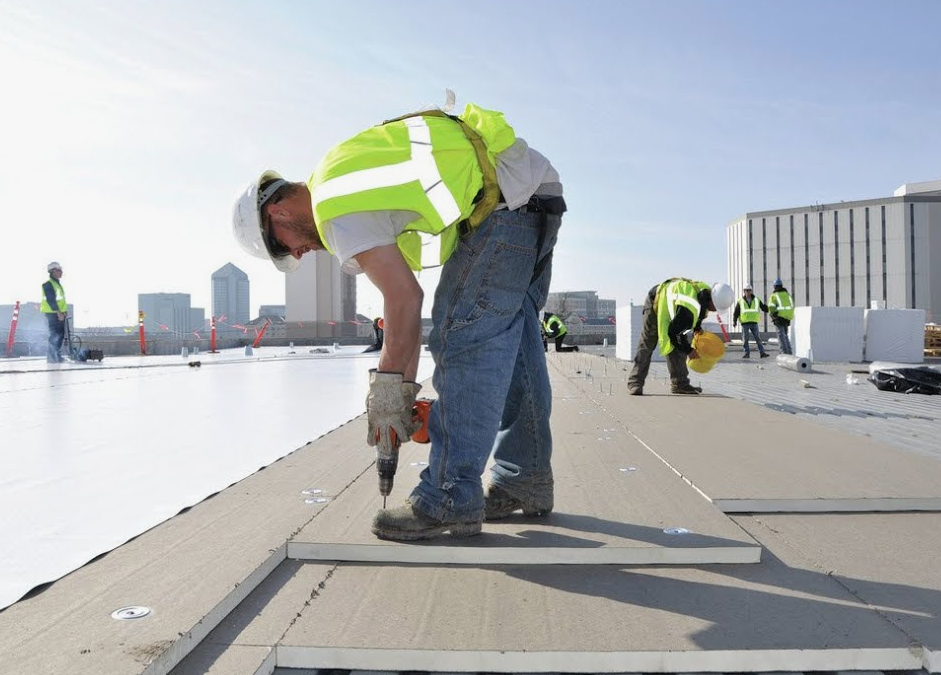
A commercial roof is a critical part of any business property, protecting employees, equipment, inventory, interiors, and daily operations from changing weather conditions. Over time, even a well-maintained roof can experience deterioration caused by age, repeated repairs, moisture exposure, storms, or general wear. When ongoing problems begin affecting the reliability of the building, commercial roof replacement may provide a more practical long-term solution than continuing to address individual failures. Making that decision requires careful evaluation because a commercial roofing project involves more than installing new materials; it requires planning around the building’s structure, drainage, insulation, business operations, budget, and future maintenance needs.
For business owners and property managers, replacing a roof can also be an opportunity to address weaknesses in the existing roofing system and improve the property’s overall protection. A professional contractor can inspect the current roof, identify damaged areas, evaluate the underlying structure, and determine whether replacement is appropriate. commercial roof replacement should be approached as a planned investment rather than an emergency purchase whenever possible. Legacy Roofing provides commercial roofing services across Texas and Oklahoma, including inspections, repairs, replacements, metal roofing, TPO and EPDM systems, and storm-related roofing solutions for different types of commercial properties.
When Should a Commercial Roof Be Replaced?
Determining whether a roof requires replacement starts with understanding its actual condition rather than relying exclusively on its age. Recurring leaks, widespread membrane deterioration, extensive surface damage, failing flashing, persistent drainage problems, or repeated repair requirements may indicate that the existing system is approaching the end of its useful service period. A single leak does not automatically mean that a roof needs to be replaced, because localized problems can sometimes be repaired effectively. However, when failures occur across multiple areas or repair costs continue accumulating, property owners should consider whether continued repairs remain practical. A professional inspection can provide a clearer picture by examining the roofing surface, underlying components, drainage system, seams, penetrations, and other vulnerable areas. This assessment allows business owners to compare the expected cost and benefits of continued maintenance with the longer-term advantages of installing a new roofing system.
The Importance of a Professional Roof Inspection
A detailed inspection is one of the most valuable steps before approving a commercial roofing project. Professional inspectors can evaluate visible damage while also looking for conditions that may not be apparent from inside the building or from ground level. The assessment may include the membrane or panels, flashing, roof edges, drains, penetrations, decking, insulation, and areas around rooftop equipment. Storm exposure deserves particular attention in regions affected by hail, wind, and heavy rainfall because weather events can create damage that develops into leaks later. Legacy Roofing’s commercial roofing process begins with an inspection and assessment before creating a customized plan for repair or replacement. This approach helps property owners understand the condition of their roof and establish a project scope based on observed needs rather than making a replacement decision without sufficient information.
Selecting the Right Roofing System
A replacement project provides an opportunity to select a roofing system suited to the property’s structure, climate, operational requirements, and long-term goals. Commercial buildings may use systems such as TPO, EPDM, metal roofing, or other configurations depending on roof design and project requirements. Low-slope buildings often require membrane-based systems with carefully designed drainage and seam details, while certain structures may be suitable for metal roofing applications. The correct choice depends on factors including roof slope, existing decking, insulation, drainage, building use, weather exposure, maintenance expectations, and installation requirements. Property owners should avoid selecting a system solely because it has a low initial price or is commonly used elsewhere. A roofing professional can compare suitable options and explain how each system fits the building. The objective is to create a complete roofing assembly in which the membrane or panels, insulation, flashing, drainage, and other components work together effectively.
Planning Replacement Without Unnecessary Business Disruption
Commercial roofing work can affect normal business activity, particularly when the building remains occupied during construction. Deliveries, customers, employees, tenants, equipment, and daily operations may all need to be considered before work begins. A detailed project schedule can help reduce unnecessary disruption by organizing material deliveries, access routes, work areas, and installation stages. Depending on the property and scope, roofing work may be organized in sections so that portions of the building remain operational while other areas are being completed. Weather conditions can also influence scheduling, particularly for projects involving membrane installation or other materials that require suitable conditions. Clear communication between the contractor and property manager is essential throughout the project. Legacy Roofing emphasizes a structured process involving inspection, customized planning, professional execution, and final quality checks, allowing commercial property owners to understand the major stages of the replacement process before work begins.
Understanding the Cost of Commercial Roof Replacement
The cost of replacing a commercial roof varies considerably because no two projects have exactly the same requirements. Roof size, material selection, building height, existing roof condition, insulation, decking repairs, accessibility, drainage, labor, project complexity, and removal requirements can all affect the final investment. Instead of focusing exclusively on a basic price per square foot, business owners should review the complete scope of work and understand what is included in the estimate. An itemized proposal can make it easier to compare materials, labor, preparation, warranties, and additional work between contractors. Unexpected conditions can also appear after an existing roofing system is removed, making it important to maintain realistic expectations about potential changes to the project. A professional inspection before estimating can reduce uncertainty and help establish a replacement plan that reflects the actual condition of the building.
Storm Damage and Commercial Roof Replacement
Severe weather can accelerate the need for commercial roofing work, particularly when hail, high winds, or falling debris damage a roof that was already nearing the end of its service life. After a major storm, property owners should have the roof evaluated before deciding whether repairs or replacement are appropriate. A professional assessment can document damaged areas, identify existing weaknesses, and help determine whether the roofing system can be restored or has sustained damage that warrants more extensive work. Legacy Roofing provides commercial storm and hail damage assessments and can assist with documentation related to potential insurance claims. Prompt evaluation is particularly important for businesses because unresolved roof damage can expose inventory, equipment, and interior spaces to water intrusion. Addressing the condition systematically can help property owners protect the building while developing an appropriate repair or replacement strategy.
Choosing a Commercial Roofing Contractor
The contractor selected for a replacement project can have a significant influence on the finished roof’s performance. Property owners should evaluate commercial roofing experience, licensing and insurance, material knowledge, project communication, inspection procedures, warranties, and the contractor’s ability to work with the specific type of commercial property involved. It is also important to understand who will perform the work and how quality control will be handled throughout installation. A reliable contractor should provide a clear project scope and explain the materials, preparation requirements, installation process, cleanup, and final inspection. Legacy Roofing provides commercial roofing services throughout Texas and Oklahoma and handles replacement projects involving different roofing systems and property types. The company also provides written warranties on completed commercial projects, giving property owners documented information about the protection associated with the work.
Long-Term Maintenance After Replacement
Installing a new roof does not eliminate the need for maintenance. Regular inspections can help property managers identify developing issues before they become larger problems. Drainage areas should remain clear, rooftop equipment should be monitored, and maintenance activities should be performed carefully to avoid unnecessary damage to the roofing surface. Inspections after severe weather are also useful because hail and wind can affect roofing components even when interior signs of damage are not immediately present. Keeping records of inspections, repairs, and maintenance can help property owners understand how the roof is performing over time and plan future work more effectively. A proactive maintenance strategy may also help preserve the condition of the roofing system and reduce the likelihood of unexpected disruptions. Once replacement is complete, treating the new roof as a long-term asset rather than a one-time construction project can support better property management.
Conclusion
A commercial roof replacement is a significant investment, but it can become necessary when an existing roofing system has widespread deterioration, recurring failures, extensive storm damage, or repair requirements that no longer make financial or practical sense. The best approach begins with a professional inspection, followed by careful consideration of the building’s structure, roofing materials, drainage, insulation, operational requirements, budget, and future maintenance needs. Businesses should also compare contractors based on experience, project scope, communication, workmanship, and warranty terms rather than selecting an option based solely on initial cost. Legacy Roofing provides commercial roofing services across Texas and Oklahoma, including inspections, replacement projects, repairs, metal roofing, TPO, EPDM, and storm damage solutions. With thoughtful planning and professional installation, commercial roof replacement can provide a dependable foundation for protecting the property and supporting business operations for years to come.