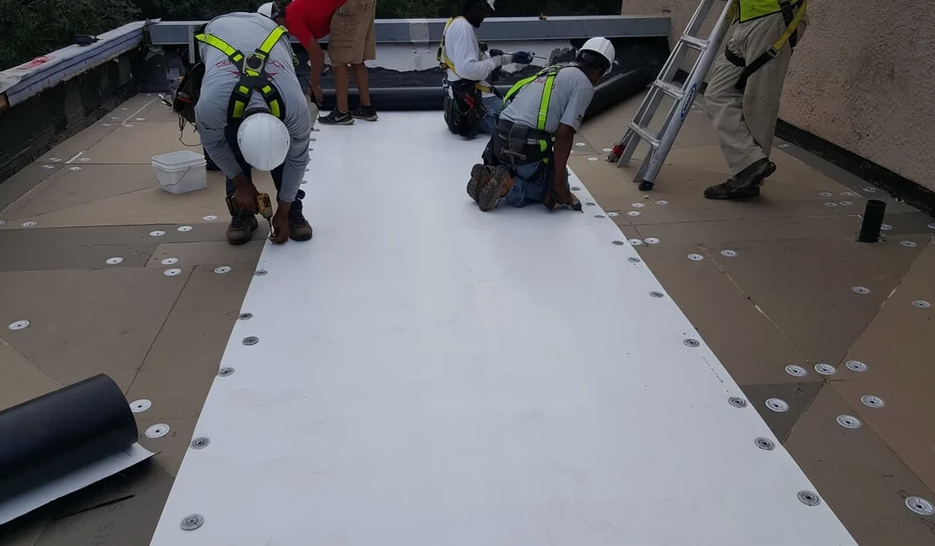
Commercial property owners need roofing systems that can protect buildings from weather exposure while supporting long-term operational and maintenance goals. A commercial roof must handle sunlight, rain, temperature changes, wind, drainage demands, and regular maintenance without creating unnecessary disruption to the business inside. TPO roofing has become a widely considered option for commercial and low-slope applications because its membrane design can provide weather protection while also supporting reflective roof performance. Understanding how the system works, where it is appropriate, and what factors influence its performance can help property owners make a more informed roofing decision.
Selecting a roofing system involves more than comparing material prices. Building size, roof design, insulation, drainage, existing roof conditions, climate, maintenance requirements, and installation quality can all influence the suitability of a particular system. TPO roofing can be an option for businesses seeking a single-ply membrane system that combines practical installation characteristics with resistance to common environmental exposure. Legacy Roofing serves commercial properties across Texas and Oklahoma and provides roofing inspections, repairs, replacements, and installation services designed around the specific requirements of each property.
What Is TPO Roofing?
TPO, or thermoplastic polyolefin, is a single-ply roofing membrane commonly used on commercial and low-slope roofs. The membrane is installed across the roof assembly and its seams are typically heat-welded to create continuous connections between sections. This approach helps form a weather-resistant surface while allowing the material to accommodate the requirements of larger commercial roof areas. TPO membranes are available in different thicknesses and configurations, so the appropriate product depends on the building, roof design, insulation requirements, and expected environmental exposure. A professional evaluation should take place before installation because the membrane itself is only one component of a complete roofing system. Decking, insulation, fasteners, flashing, drainage, penetrations, and perimeter details all have important roles in the finished roof’s performance.
Key Benefits of TPO Roofing for Businesses
One reason TPO membranes are considered for commercial buildings is their combination of practical characteristics. Many TPO products have reflective surfaces that can help reduce solar heat absorption, which may be useful for buildings exposed to intense sunlight. The membrane can also provide resistance to moisture and common environmental exposure when properly installed. Because TPO is available in broad membrane sheets, it can be suitable for covering expansive low-slope roof areas where traditional steep-slope roofing materials may not be appropriate. Its heat-welded seams are another important feature because properly formed seams can create strong connections between membrane sections. However, performance depends heavily on installation quality and the conditions of the specific property. Property owners should evaluate the entire roofing assembly rather than assuming that the membrane alone determines durability or energy performance.
Choosing the Right TPO Roofing System
Not every commercial roof has identical requirements, so selecting a TPO system should begin with an assessment of the existing structure. Contractors may need to evaluate roof slope, drainage, decking condition, insulation, existing roofing materials, penetrations, mechanical equipment, and areas where the membrane will meet walls or other surfaces. Membrane thickness is also an important consideration because different applications may require different specifications based on expected use and exposure. The building’s location can influence the decision as well, particularly in areas where severe storms, intense sunlight, or substantial temperature changes are common. A qualified roofing professional can use the inspection findings to recommend an appropriate system and installation method. This approach is more reliable than choosing a membrane solely because it is popular or because its initial price appears attractive.
Installation Quality and Seam Performance
The installation process has a major influence on how a TPO roof performs over time. Membrane sheets must be positioned correctly, attachment methods must be appropriate for the roof assembly, and seams need to be properly welded. Particular attention should also be given to penetrations, edges, drains, vents, curbs, and other areas where the membrane interfaces with different components. Poor preparation or inconsistent workmanship can create weaknesses that may eventually contribute to moisture intrusion. For this reason, property owners should evaluate the contractor as carefully as they evaluate the roofing material. A professional project should include appropriate preparation, careful installation, inspection of completed work, and attention to site conditions. Legacy Roofing provides commercial roofing services throughout Texas and Oklahoma, helping property owners address installation, replacement, repair, inspection, and storm-related roofing requirements.
Maintenance and Inspection Considerations
Although TPO roofing can provide a durable commercial roofing surface, routine inspection remains important. Property managers should monitor drainage areas, membrane surfaces, seams, flashing, rooftop equipment connections, and other vulnerable locations. Accumulated debris or blocked drains can interfere with proper water management, while damage caused by maintenance activity or severe weather may require professional attention. Regular inspections can also help identify small issues before they become more complicated. After a significant storm, a professional evaluation may be particularly useful because hail, wind, or falling debris can affect a roof even when damage is not immediately visible from inside the building. Keeping records of inspections and completed repairs can further help property managers understand the roof’s condition and plan future maintenance.
TPO Roofing and Energy Efficiency
Energy efficiency is an important consideration for many commercial property owners, particularly in climates where buildings experience significant heat during warmer months. TPO membranes are commonly available in light-colored and reflective finishes that can reduce the amount of solar radiation absorbed by the roof surface. This characteristic can contribute to managing heat gain, although the overall energy performance of a building depends on much more than the roof membrane. Insulation, HVAC equipment, windows, walls, air sealing, building occupancy, and operating schedules can all influence energy consumption. For that reason, property owners considering TPO should evaluate the roof as part of the complete building envelope. A roofing professional can help determine how membrane selection, insulation, and roof assembly design fit together to support the property’s broader performance requirements.
When a TPO Roof May Need Repair or Replacement
Even a professionally installed roofing system eventually requires maintenance, repair, or replacement. Signs such as recurring leaks, damaged membrane areas, deteriorated seams, compromised flashing, or persistent drainage problems should receive professional attention. The appropriate response depends on the extent and location of the problem. A localized issue may be repairable, while widespread deterioration or underlying structural concerns may make replacement more practical. Storm damage can also change the condition of a roof and should be assessed promptly to determine whether repairs are necessary. Property owners should avoid making conclusions based solely on the age of the membrane because actual roof condition depends on installation quality, maintenance history, environmental exposure, and other factors. A detailed inspection provides a stronger basis for deciding whether targeted repairs or a complete roofing project is appropriate.
Planning a Successful Commercial Roofing Project
A commercial roofing project should be planned around the building’s operational needs as well as its technical requirements. Business owners and facility managers need to consider project scheduling, access to the roof, equipment placement, employee and customer activity, weather conditions, drainage, and potential interruptions to normal operations. A clear scope of work can help establish expectations regarding preparation, materials, installation, cleanup, and final inspection. Comparing contractors based on the complete scope rather than the initial estimate alone can also provide a more realistic picture of the investment. Communication is especially important when unexpected conditions are discovered after an existing roof is opened or removed. A contractor who explains these conditions clearly allows the property owner to make informed decisions about necessary changes while keeping the project focused on the building’s actual requirements.
Conclusion
TPO roofing can provide a practical option for commercial and low-slope buildings when the system is appropriately selected, professionally installed, and properly maintained. Its single-ply membrane design, reflective surface options, heat-welded seams, and suitability for broad commercial roof areas make it worth considering for property owners evaluating roofing alternatives. However, successful performance depends on the complete roofing assembly, including insulation, drainage, flashing, attachment methods, penetrations, and installation workmanship. Regular inspections and timely repairs can further help protect the investment and identify developing problems before they become more disruptive. For commercial property owners in Texas and Oklahoma, Legacy Roofing provides roofing services covering inspections, installation, repairs, replacements, and storm-related needs. Careful evaluation of the property and a professionally planned installation can help create a roofing system suited to the building’s long-term requirements.