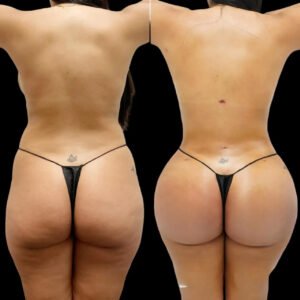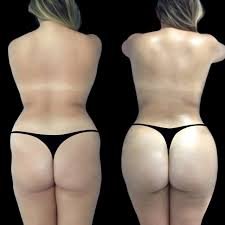
butt fat transfer in dubai
1. Why Before-and-After Photos Matter for Butt Fat Transfer in Dubai
Before-and-after photos can provide a visual understanding of how body contours may change after fat transfer. They may show differences in buttock volume, waist definition, hip shape, and overall body proportions.
For example, someone considering Butt Fat transfer in dubai may want to understand whether the procedure can create a fuller appearance while also reducing fat from selected donor areas.
Photographs can help explain:
- Changes in buttock shape and volume.
- Differences in waist and hip proportions.
- The appearance of the donor areas after fat removal.
- Possible changes in body symmetry.
- The range of outcomes that may occur.
However, photographs should be treated as visual examples rather than promises. Every person has a different body structure, fat distribution, skin quality, and healing response. A result shown in a photograph may not be achievable for someone with different physical characteristics.
2. How to Evaluate Before-and-After Photos of Butt Fat Transfer Results
When reviewing butt fat transfer results, consistency is one of the most important factors.
Ideally, before-and-after photographs should be taken under similar conditions. If the lighting, camera distance, posture, or angle changes significantly, it becomes difficult to judge the actual difference.
Look for these details:
- Similar camera angles in both photographs.
- Similar lighting conditions.
- The same or similar body position.
- Consistent camera distance.
- Clear views of the waist, hips, and buttocks.
- No obvious filters or excessive image editing.
A genuine comparison should make it easier to understand the changes without relying on visual tricks.
It is also useful to check whether the photographs show the person’s full body shape rather than focusing only on the buttocks. Body proportions matter because the final appearance depends on the relationship between different areas.
3. Why Natural Body Proportions Matter More Than Dramatic Changes
A common mistake when evaluating cosmetic photographs is focusing only on how much volume has been added.
A larger appearance does not automatically mean a better result. Natural-looking body contouring generally involves balance between the waist, hips, thighs, and buttocks.
For example, a photograph may show increased buttock volume, but it is also important to consider whether the waist and hip proportions appear balanced.
When comparing images, ask yourself:
- Does the overall body shape look balanced?
- Is the change in volume proportionate?
- Does the result look natural from different angles?
- Are there visible irregularities or uneven areas?
- Does the outcome appear suitable for the person’s original body structure?
The goal of reviewing photographs should be to understand possible improvements rather than choosing an unrealistic body shape.
4. Understanding Fat Transfer From Stomach to Buttocks Through Photos
fat transfer from stomach to buttocks is a commonly discussed approach in which fat is collected from the abdominal area and transferred to the buttocks.
Before-and-after photographs of this approach may show changes in two areas: the abdomen and the buttocks.
When evaluating these images, look at both areas separately.
Abdominal changes: Check whether the stomach appears more contoured after fat removal. Remember that skin looseness and abdominal muscle condition can affect the final appearance.
Buttock changes: Look for changes in volume, shape, and symmetry. Consider whether the increase appears balanced with the rest of the body.
It is important to understand that fat removal does not guarantee a completely flat stomach, and fat transfer does not guarantee a particular buttock size. The final outcome depends on available fat, surgical planning, and individual healing.
5. What to Look for in Fat Transfer From Stomach to Butt Photos
When reviewing fat transfer from stomach to butt photographs, compare the donor area and treatment area together.
Some images may focus mainly on the buttocks, while others show the abdomen and waist as well. Seeing both areas can provide a better understanding of the overall contouring change.
Consider the following points:
- Is the abdominal area shown clearly?
- Are the waist and hip proportions visible?
- Does the buttock shape look balanced?
- Are the photographs taken from matching angles?
- Is the time between surgery and the final photograph mentioned?
The timing of the after photograph is particularly important. An image taken shortly after surgery may show swelling, which can make the buttocks appear larger than the settled result.
6. How to Identify Realistic Butt Fat Transplant Results
The term butt fat transplant is another phrase used to describe transferring a person’s own fat to the buttocks.
When evaluating photographs, remember that not all transferred fat survives permanently. Some of the fat is naturally absorbed by the body during the healing process.
This means that the immediate postoperative appearance may differ from the longer-term result.
A realistic comparison should ideally include photographs taken after sufficient healing time. It should also explain how long after surgery the images were captured.
Look for outcomes that show:
- Balanced body proportions.
- Smooth-looking contours.
- No obvious unevenness.
- A natural transition between the waist, hips, and buttocks.
- Consistent appearance from different angles.
Photographs cannot show everything. They cannot confirm whether a procedure was performed safely, whether the patient experienced complications, or how comfortable the recovery process was.
7. Why Photo Angles and Lighting Can Change the Appearance
Camera angles can make a major difference in how the buttocks appear.
A photograph taken from below may make the buttocks look fuller. A side view may highlight projection, while a rear view may show width and symmetry.
Lighting can also change the appearance of curves and shadows. Strong lighting may make certain areas appear more defined, while softer lighting may hide small contour differences.
For a fair comparison, check whether the before-and-after photographs use:
- Similar camera height.
- Similar distance from the subject.
- Matching body positions.
- Similar lighting direction.
- Similar clothing or photographic coverage.
If these details are very different, avoid making strong conclusions about the result.
8. How to Compare Photos When Searching for the Best Butt Fat Transfer Surgeon in Dubai
People searching for Best butt fat transfer surgeon in dubai often use before-and-after photographs to understand the type of results associated with a procedure.
However, photographs alone cannot establish someone’s qualifications, surgical skill, or safety record. A visually impressive image does not prove that the procedure was performed safely.
Instead of relying on appearance alone, understand what responsible treatment should involve.
Important safety considerations include:
- A proper medical assessment before surgery.
- Clear discussion of possible complications.
- Suitable surgical facilities and emergency arrangements.
- Real-time ultrasound guidance during fat injection.
- Injection of fat only into the subcutaneous tissue.
- Avoidance of injection into the gluteal muscle.
Fat embolism is a serious and potentially life-threatening complication of buttock fat transfer. Real-time ultrasound helps confirm the injection plane, and fat must not be injected into the muscle.
A photograph cannot confirm whether these safety measures were followed.
9. What to Consider When Reviewing Best Butt Fat Transfer Surgeon in Dubai Results
The search phrase Best butt fat transfer surgeon in Dubai may lead to many different cosmetic photographs and online claims.
When reviewing such content, focus on the quality of the information rather than promotional language.
A useful photo comparison should explain the original body condition, the treatment performed, and how long after surgery the final photograph was taken.
You should also be cautious about images that:
- Show only one angle.
- Have no information about the timing of the result.
- Use very different lighting between photographs.
- Appear heavily edited.
- Promise identical outcomes for every person.
- Show dramatic changes without explaining the treatment details.
Remember that a photograph is not a guarantee of what another person will experience.
10. Comparing Best Butt Fat Transfer Surgeons in Dubai Through Photo Transparency
People searching for Best butt fat transfer surgeons in Dubai may come across many before-and-after galleries.
Rather than judging results only by size, consider whether the photographs provide a clear and honest comparison.
Useful photographs should ideally show the same person under similar conditions. They should also include enough information to understand the timing and nature of the changes.
Terms such as Best Doctors in dubai may also appear in online searches, but search rankings and promotional labels do not prove treatment quality.
Likewise, phrases such as Dr. perfect celebrity and Perfect Doctors Clinic may appear in search results or online discussions. Their appearance does not establish the authenticity of a photograph or guarantee a particular cosmetic outcome.
The main focus should remain on understanding the procedure, reviewing realistic examples, and evaluating safety information.
11. Understanding Fat Transfer Clinic in Dubai Photo Galleries
People searching for a fat transfer clinic in dubai may use online photo galleries to compare different cosmetic outcomes.
However, it is important to remember that a collection of photographs does not provide a complete picture of treatment quality.
Before relying on a gallery, consider whether:
- The images are presented with consistent photography.
- The timing of the after photographs is explained.
- The images show different body types.
- The results appear realistic rather than exaggerated.
- Possible limitations and complications are discussed.
A gallery should help explain the range of possible outcomes. It should not suggest that every patient will achieve the same shape or volume.
12. How Butt Fat Transfer Cost in Dubai Relates to Expected Results
Butt Fat transfer cost in dubai is another important subject for people researching the procedure.
However, the price of a cosmetic procedure should not be judged by the photographs shown online. A dramatic result does not prove that a treatment offers better value or greater safety.
The overall cost may depend on:
- The number of donor areas involved.
- The amount of liposuction required.
- The complexity of the procedure.
- Anaesthesia and operating facility expenses.
- Medical assessments and follow-up care.
- Postoperative garments and recovery requirements.
When considering butt fat transfer cost, ask for a clear explanation of what the quoted amount includes. Safety arrangements and appropriate medical care should not be overlooked simply to choose a lower price.
13. Why Butt Fat Transfer Recovery Timing Matters in Before-and-After Photos
butt fat transfer recovery can influence how photographs look at different stages.
Immediately after surgery, swelling and bruising may change the appearance of the abdomen, waist, and buttocks. As healing progresses, swelling gradually reduces and the final contour becomes clearer.
This is why the date of the after photograph matters.
For a more meaningful comparison, check whether the image was taken:
- Shortly after surgery.
- Several weeks after surgery.
- A few months after surgery.
- After a longer period of healing.
The final appearance can take time to settle. Some transferred fat is absorbed naturally, and the amount that remains varies between individuals.
Recovery instructions may include restrictions on sitting directly on the buttocks, physical activity, and sleeping positions. These instructions should be followed according to individual medical advice.
14. Common Mistakes to Avoid When Comparing Cosmetic Photos
It is easy to form unrealistic expectations when looking at edited or carefully selected photographs.
Avoid these common mistakes:
Comparing different body types: A person with more available donor fat may have different possible outcomes from someone with a leaner body.
Focusing only on size: Volume is only one part of the result. Shape, symmetry, and body proportions also matter.
Ignoring healing time: Early photographs may show swelling rather than settled results.
Trusting edited images: Filters, shadows, and changes in posture can affect appearance.
Expecting identical results: Each person’s body responds differently to surgery and healing.
Ignoring safety information: Attractive photographs cannot prove that a procedure was performed using appropriate safety standards.
15. Final Thoughts on Evaluating Butt Fat Transfer Before-and-After Photos
Before-and-after photographs can be useful when researching buttock fat transfer, but they should never be the only basis for making a decision.
Look for consistent angles, similar lighting, realistic changes, and clear information about when the photographs were taken. Pay attention to the overall body shape rather than focusing only on increased volume.
Whether you are researching butt fat transfer results, comparing butt fat transfer cost, or learning about fat transfer from stomach to buttocks, remember that photographs cannot guarantee your personal outcome.
Buttock fat transfer also carries serious risks, including fat embolism, infection, bleeding, and fat necrosis. Safe technique requires real-time ultrasound guidance and subcutaneous-only fat injection, with no injection into the gluteal muscle.
The most useful photographs are those that support realistic expectations. A careful decision should always consider medical suitability, safety, recovery, and the possibility that your final result may look different from the examples you see online.