UPVC Fascia and Soffits
Your roof has to deal with the weather every day. Rain hits the tiles. Wind pushes against the edges. Sun beats down during hot spells. Then the temperature drops and everything starts again. Most homeowners think about the roof covering when they consider weather protection. The roofline deserves attention too. Fascia and soffits sit around the lower edge of the roof and help shield areas that could otherwise remain exposed. When these parts start to fail. water and damp can find small routes into the structure. That can lead to rot. stains. loose gutters. and other headaches. UPVC Fascia and Soffits give homeowners a sturdy option for this part of the house. The material handles wet conditions well and needs little fuss from the owner. It also keeps its shape through normal changes in weather. That combination makes it useful for homes that face rough conditions throughout the year.
Why Does Rain Cause Problems Around the Roofline?
Rain seems harmless enough when it falls. The trouble starts when water finds somewhere to sit or seep. Old timber fascia can absorb moisture and slowly lose its strength. Paint may crack or peel. Once water reaches the wood underneath. decay can begin. The damage often stays hidden until the board feels soft or the gutter starts to sag. Water can also collect behind poorly fitted roofline products. A small gap may not look like much from the ground. During repeated rainfall though. that gap can give moisture a way inside. A well fitted roofline creates a cleaner barrier around the edge of the roof. It helps direct rain towards the gutter instead of letting it linger around exposed materials. The gutter still needs proper care. Yet the fascia gives it a firm place to sit and do its job.
How Does UPVC Deal With Heavy Rain?
UPVC does not absorb water in the same way as timber. That simple difference matters when the roofline faces frequent rainfall. Rain can run across the surface without soaking into the material. The boards also resist common moisture problems such as rot. This does not make the whole roof waterproof by itself. The installation still needs sound joints and secure fixings. Water will always look for the weakest point. A skilled installer knows this and takes care around corners and joins. They also check the condition of the structure underneath before fitting new boards. Once the system sits correctly. the material can handle regular wet weather without the repeated painting and treatment that timber often needs.
Can UPVC Handle Strong Winds?
Wind puts pressure on the roof from several directions. It can push against gutters. lift loose sections. and force rain into small gaps. The roofline needs secure fixings so it can stay in place when conditions turn rough. UPVC boards can provide a firm finish when installers fix them to a sound structure. The quality of the installation matters here. A good product cannot rescue weak fixings or rotten timber underneath. The roofer needs to check the support before attaching the boards. They also need to use suitable fixings for the job. Once everything sits firmly. the roofline can stand up to the usual gusts and blustery weather that homes face.
What Happens During Hot Weather?
Weather damage does not only come from rain and wind. Heat can affect outdoor building materials too. Roofline products sit in direct sunlight for long periods during summer. The surface can become very warm. Some materials may fade. warp. or crack when they struggle with repeated temperature changes. Quality UPVC can handle normal outdoor heat without needing regular repainting. The material can expand and contract as temperatures change. Proper installation takes this movement into account. The installer leaves the right allowance at joints and uses suitable fixing methods. That little bit of planning helps the boards cope with the constant cycle of hot days and cooler nights.
Can UPVC Protect Against Cold Weather?
Winter brings its own set of problems. Freezing temperatures can expose weak joints and damaged materials. Water can enter small cracks and then expand when it freezes. That cycle may make existing damage worse. A sound roofline helps keep exposed areas closed and secure. UPVC does not suffer from timber rot when moisture reaches its surface. It also handles ordinary temperature changes without needing seasonal treatment. During cold spells the gutters still need attention. Ice and blocked outlets can create their own problems. Keeping the drainage system clear gives the roofline a better chance of coping with winter rain and frost.
How Does UPVC Help During Stormy Weather?
Storms combine several problems at once. You may get heavy rain. strong wind. flying debris. and sudden changes in temperature within a short period. The roofline takes some of that punishment around the edges of the building. Strong boards and secure fixings help reduce the risk of loose sections. The gutters also need to stay attached because storm rain can fill them quickly. If the fascia underneath has weakened through rot. the gutter may struggle to stay in place. A sound roofline gives the drainage system a better base. It also closes gaps that could allow wind driven rain into the roof space. No material can prevent every type of storm damage. Good construction can reduce the weak points though.
Does UPVC Fade in Strong Sunlight?
Long periods of sunlight can change the look of some outdoor materials. Cheap products may lose colour or develop a tired appearance after years outside. Good quality UPVC uses finishes designed for exterior conditions. The colour can remain stable for a long time when the product meets suitable quality standards. That means homeowners do not need to keep reaching for a paintbrush when the roofline starts looking dull. The finish also helps keep the property looking tidy. If your home gets strong sun for much of the year. ask the supplier about the product’s suitability for that exposure before buying. Not every UPVC product has the same quality.
How Can UPVC Stop Pests From Getting Into the Roof?
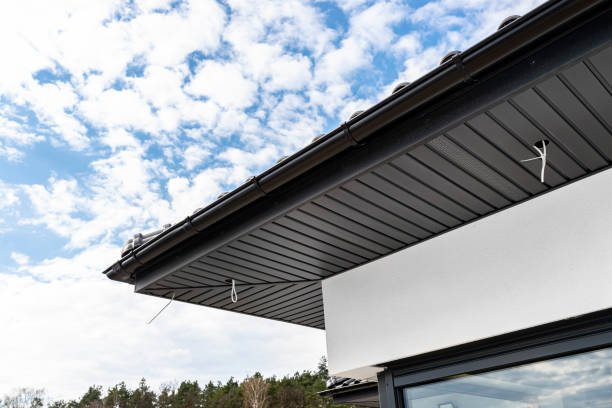
Harsh weather is not the only thing that can reach an open roof edge. Birds. insects. and small animals can take advantage of gaps around old soffits. Once they get inside. they may build nests or damage insulation. They can also leave dirt and waste behind. A properly fitted soffit closes these openings while still allowing the ventilation system to work where needed. The goal is not to seal every part of the roof without thought. Roof spaces need airflow. Instead. the installer creates controlled openings through suitable ventilation points. That gives fresh air a route in without leaving large gaps for pests.
Can Roof Ventilation Help During Wet Weather?
It might sound strange to connect ventilation with rain protection. The two actually work together. Moisture can enter the roof space through condensation as well as leaks. Warm air from inside the house rises and may meet colder surfaces under the roof. Without enough airflow. that moisture can linger. Over time it may affect insulation and timber. Vented soffits allow air to move through the roof space. This can help reduce trapped moisture. The installer needs to match the ventilation setup to the roof design though. Blocking existing vents during a roofline replacement can create a new problem. A careful roofer checks the airflow before finishing the job.
Why Does Guttering Matter When Protecting the Roofline?
Fascia and guttering work as a team. The gutter catches rainwater from the roof and sends it towards the downpipe. The fascia often supports the gutter brackets. If the board underneath has become weak. the gutter may start to pull away from the house. Then rainwater can spill over the edge. That water may run down the walls and cause staining or damp. A strong roofline gives the gutter a dependable fixing point. The installer should also check the gutter fall and joints during the work. One blocked outlet can cause a surprising amount of trouble during heavy rain. Keeping the drainage system clear remains important after the installation too.
Can UPVC Reduce Weather Related Maintenance?
Nobody wants to climb a ladder every few years just to repair peeling paint. Timber roofline products can demand that sort of attention. They may need sanding and painting to keep moisture out. UPVC cuts down on much of that work. The material does not need routine painting to maintain its basic weather resistance. A simple clean can remove dirt and surface marks. That does not mean the roofline becomes maintenance free. You should still inspect the gutters and look for loose sections or visible damage. The difference comes from the smaller amount of regular upkeep. For a busy homeowner that can be a worthwhile benefit.
How Does Proper Installation Improve Weather Protection?
The best material in the world cannot compensate for careless fitting. Installation forms a big part of the roofline’s performance. The roofer needs to measure each section properly. They must fix the boards to a sound structure and handle joints with care. Corners need clean cuts. Ventilation needs space. Guttering needs secure support. The installer also has to account for normal movement caused by temperature changes. Miss one of these details and trouble may appear later. A gap can let in water. A weak fixing can fail during strong wind. A blocked vent can trap moisture. Good workmanship brings all these small details together.
What Should Homeowners Check Before Winter?
A quick roofline check before winter can prevent some unpleasant surprises. Look at the fascia and soffits from the ground. Check for cracks. gaps. stains. or sections that appear loose. Then look at the gutters. If they contain leaves or moss. clean them before heavy rain arrives. Check the downpipes too. Water needs a clear route away from the roof. If you notice something that looks wrong. call a roofer instead of waiting for a storm to test it. Small repairs usually make more sense than dealing with water damage after a major weather event.
Is UPVC a Good Choice for Homes in Harsh Weather?
For many homes. yes. UPVC offers a useful mix of moisture resistance. durability. and low maintenance. It can handle regular rain and normal temperature changes while giving the roofline a clean finish. It can also work with different property styles and gutter systems. The biggest factor remains the quality of the product and the installation. A poor fitting job can leave weak spots regardless of the material. A careful installation gives the boards a sound base and keeps ventilation and drainage working properly. That is what homeowners really want when they replace a roofline. Not just something that looks fresh on the day of the job. They want something that keeps doing its work when the weather turns ugly.
What Are the Main Weather Protection Benefits?
The main benefit comes from creating a dependable shield around the roof edge. UPVC Fascia and Soffits can resist moisture and avoid the rot problems that affect timber. They can also support gutters and close unwanted openings around the roof. Vented options can help keep air moving through the roof space. The material also needs less upkeep than many traditional alternatives. None of this means you can forget about your roofline. Gutters still need cleaning. Fixings still need checking. Storm damage still needs attention. Think of the roofline as one part of a larger system. When the tiles. gutters. ventilation. fascia. and soffits all work together. the house has a better defence against rough weather.
Conclusion
Harsh weather tests every part of a home. The roofline sits right where rain. wind. sunlight. and temperature changes can cause trouble. That makes the choice of material worth some thought. UPVC Fascia and Soffits can help protect this vulnerable edge without demanding the constant care that timber often needs. They resist moisture. support guttering. close gaps. and can work alongside roof ventilation. Proper fitting makes all the difference. A roofer should inspect the existing structure first and deal with any hidden damage before installing new boards. Once the job finishes. simple checks and clean gutters can keep the system in good shape. A roofline may not attract much attention when everything works as it should. That quiet performance is exactly what you want when the next storm rolls in.