When your pool’s alkalinity drops below 80 ppm, the water becomes unstable. pH fluctuates wildly, chlorine loses effectiveness, and swimmers experience stinging eyes and itchy skin . Raising alkalinity is the fix—and it’s simpler than you think.
Using sodium bicarbonate (baking soda) is the most common and cost-effective way to increase alkalinity in pool water. Unlike soda ash, which dramatically raises both pH and alkalinity, baking soda primarily boosts alkalinity with only a slight effect on pH . That makes it the right tool for the job.
Why Alkalinity Matters for Your Pool
Total Alkalinity is the buffering capacity of your pool water—its ability to resist pH changes . Think of it as a shock absorber for your water chemistry.
When alkalinity is in the ideal range of 80–120 ppm, your pH stays stable, chlorine works efficiently, and your pool surfaces and equipment stay protected . Low alkalinity leads to:
-
pH bounce: pH swings wildly, making balancing frustrating
-
Corrosion: Metal parts like ladders, pumps, and heaters get damaged
-
Swimmer discomfort: Stinging eyes and skin irritation from acidic water
-
Plaster etching: Low alkalinity can damage pool surfaces
How to Increase Alkalinity in Pool Water
The best way to increase alkalinity in pool water is with sodium bicarbonate—commonly known as baking soda. Commercial products like HTH™ Alkalinity Up are 100% sodium bicarbonate and follow the same dosage guidelines .
Dosage rule: 1.5 pounds of baking soda per 10,000 gallons of water raises alkalinity by approximately 10 ppm .
Step-by-Step Process
-
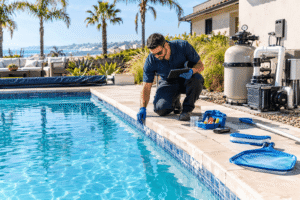
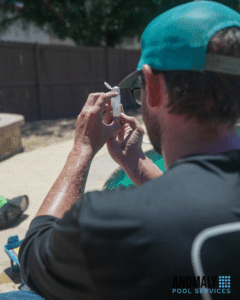
Test your water: Use test strips or a drop test kit. Write down your current total alkalinity and pH levels. The ideal range is 80–120 ppm, with some products recommending 60–120 ppm .
-
Calculate your target: Determine how much you need to increase alkalinity in pool to reach the 80–120 ppm range.
-
Measure the dose: Use the following table as a guide :
-
Add the product: Broadcast evenly over the pool surface . Or dissolve in a bucket of water first and distribute the mixture evenly .
-
Circulate the water: Run your pump for at least 4–6 hours to help it dissolve fully.
-
Retest: Wait 6–24 hours, then test again. Repeat if needed. Caution: Do not add more than 10 lbs per 10,000 gallons at one time. If the pool needs more, add the maximum amount, then retest 12 hours later .
Important: If your pH is already high (above 8.0), lower it first. Add acid to bring pH below 7.8, then add baking soda—otherwise, the bicarbonate may cloud the water.
Commercial Alkalinity Increasers
If you prefer prepackaged products, options like HTH™ Alkalinity Up and BioGuard Balance Pak 100 are 100% sodium bicarbonate and follow the same dosage guidelines . Products like Alka Plus (available in 1kg and 5kg) also offer a convenient granular solution .
Soda Ash vs. Baking Soda
Many pool owners confuse these two:
-
Soda ash (sodium carbonate) raises both pH and alkalinity dramatically
-
Baking soda (sodium bicarbonate) raises alkalinity while only slightly increasing pH
If both your pH and alkalinity are low, soda ash is the right choice. If only your alkalinity is low, baking soda is the correct solution to increase alkalinity in pool without overshooting pH .
Common Mistakes to Avoid
-
Adding too much at once: Large additions should be divided into thirds and added every 6 hours. Overshooting can lead to scale formation and cloudy water .
-
Not retesting: Always retest after 6–24 hours to confirm the adjustment.
-
Skipping circulation: Turn on your pump and let it run to distribute the product evenly.
-
Mixing products: Never mix chemicals together . Add chemicals to pool water, never the other way around .
[Internal Link: Compare pool maintenance products and costs]
Conclusion
A regular increase alkalinity in pool routine keeps your water balanced, protects your equipment, and ensures comfortable swimming. Use 1.5 pounds of baking soda per 10,000 gallons to raise alkalinity by 10 ppm. Always test your water first, add product evenly, and retest after 6–24 hours