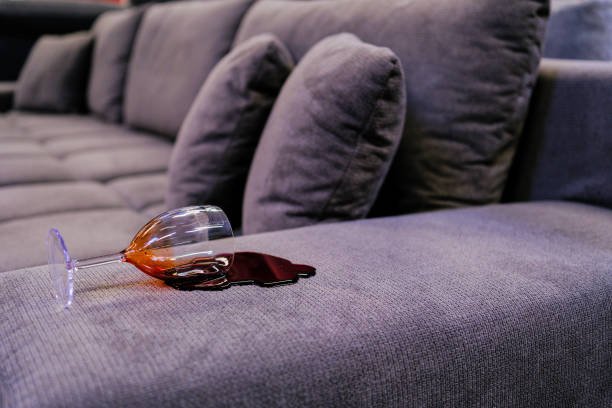
a glass of red wine is knocked over on a new sofa
Every household in the Pacific Northwest has that one spot on the carpet or sofa that keeps catching the eye. Knowing what actually happens during stain treatment in Tacoma WA takes the mystery out of the process and helps you make smarter choices. Having spent years around fabrics, fibers, and the marks they collect, I have seen how often a quick home fix makes things worse. Teams such as Pierking Cleaning Carpet & Upholstery treat each spot as a puzzle that needs the right method, not a one-size answer. Here is a clear walk through of what to expect from start to finish.
Why a Stain Never Looks the Same Twice
Two spills can look identical on the surface and behave completely differently once cleaning starts. A cup of coffee on a wool rug reacts nothing like the same coffee on a polyester sofa, because fiber type, dye quality, and how long the spill sat all change the outcome. That is why professionals begin with questions instead of products.
Most failed attempts at home share the same causes. Scrubbing pushes the mess deeper and frays fibers, hot water can lock in protein and dye stains, and mixing household cleaners sometimes leaves a sticky residue that attracts even more dirt. A calm, informed approach protects both the fabric and your budget.
Arrival and First Look at the Problem
The first few minutes of a visit decide how the rest goes. A good technician takes time to look, touch, and ask before opening a single bottle.
Checking the Fabric Type
Wool, nylon, cotton, microfiber, and blends all tolerate different cleaners. On upholstery, the care tag usually carries a code that tells the technician whether water-based or solvent-based products are safe.
Identifying the Stain Source
Knowing whether a mark came from food, a pet, a pen, or a muddy boot guides the choice of treatment. Your own description of what happened and when is surprisingly valuable here.
Testing Before Treating
A small hidden area, such as the back of a sofa skirt or a corner under furniture, is tested first. This confirms the dye will not bleed and the fibers will not react badly.
The Treatment Itself
Once the plan is set, the stain is pretreated with a solution matched to its type and given time to break down. Patience matters at this stage, since a short dwell time often decides whether a mark lifts fully or leaves a faint ghost. A careful approach to stain treatment in Tacoma WA also means using gentle agitation rather than hard scrubbing, so the pile stays intact.
After that, the area is rinsed and extracted so no cleaner stays behind in the fibers. Leftover product is one of the main reasons spots reappear a week later. The final step is a quick inspection under good light, with a second pass if anything is still visible.
Common Stains and How They Are Handled
Different marks call for different chemistry. This table gives a simple overview of what professionals usually reach for.
| Stain | Typical Source | General Approach |
|---|---|---|
| Coffee and tea | Morning spills | Tannin-focused cleaner with gentle blotting |
| Red wine | Dinners and gatherings | Quick blot, then a specialty dye-lifting solution |
| Pet accidents | Cats and dogs | Enzyme treatment to break down the odor source |
| Grease and oil | Cooking, sofa arms | Solvent-based spotter, applied sparingly |
| Mud | Rainy-season footwear | Let it dry, vacuum, then treat the residue |
| Ink | Pens and markers | Targeted solvent, tested on a hidden area first |
Rain, Pets, and Everyday Life in the Pacific Northwest
Local conditions shape how stain treatment in Tacoma WA works in real homes, since wet weather and busy households create their own set of challenges.
Mud and Moisture
Damp months bring soil indoors on shoes and paws. Dried mud is easier to remove than wet mud, so resist the urge to wipe it right away and vacuum once it has dried.
Pet Accidents
Urine and vomit soak below the surface, where odor lingers even after the visible mark fades. Enzyme-based products work because they break down the source instead of covering it.
Aftercare That Makes Results Last
What you do in the first day matters nearly as much as the treatment itself. Let the area dry fully before walking on it or replacing furniture, keep the room ventilated, and avoid using household sprays on the spot. For fresh spills later on, blot gently from the outside edge toward the center and never rub.
Regular vacuuming removes the gritty soil that wears down fibers and makes new stains stick faster. Many homeowners also schedule a professional cleaning once or twice a year, and some choose a protective coating so future spills sit on top longer and are easier to lift.
Frequently Asked Questions
Can an old stain still be removed?
Often it can, although results depend on the fiber, the stain type, and whether heat or home products were applied earlier. Older marks may need more than one pass and some can lighten without vanishing completely. A technician will tell you honestly what to expect before the work begins.
How long does the carpet or sofa take to dry?
Most surfaces dry within a few hours to a full day, depending on humidity, airflow, and fabric thickness. Opening windows or running a fan speeds things up noticeably. It is best to stay off the area until it feels completely dry to the touch.
Is professional treatment safe for kids and pets?
Reputable cleaners choose products suited to homes with children and animals and rinse thoroughly afterward. Keeping everyone off the area until it dries adds an extra layer of safety. You can always ask which products are being used before the visit starts.
Will treating one spot make it look cleaner than the rest?
Sometimes a freshly treated area stands out because the surrounding fibers hold normal everyday dirt. In those cases, cleaning the full section blends everything together evenly. Your technician can suggest the best option once they see how the whole surface looks.
Closing Thoughts
A stubborn mark does not have to be permanent when it is handled with the right knowledge and a little patience. Ask questions, protect your fabrics, and act quickly when new spills happen. If you would like expert help, explore stain treatment in Tacoma WA and give your carpets and upholstery the care they deserve.