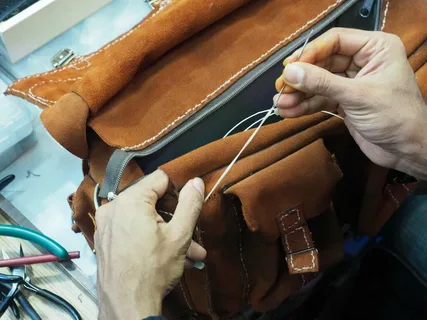
A damaged zipper can make an otherwise usable suitcase difficult or impossible to use. If the wheels, shell, handles, and interior are still in good condition, luggage zipper repair Dubai may be a practical option instead of replacing the entire suitcase.
Not every zipper problem requires a complete replacement. The right solution depends on whether the issue involves the slider, teeth, stitching, pull tab, or the zipper track itself.
Start by Identifying the Zipper Problem
Before taking your luggage for repair, check exactly what has gone wrong.
Common zipper problems include:
- The slider gets stuck
- The zipper opens behind the slider
- Teeth are missing
- The pull tab has broken
- The zipper has separated from the fabric
- The zipper track has come loose
- The zipper will not close completely
Identifying the visible problem can help a repair technician determine what needs to be inspected.
A Stuck Slider Does Not Always Mean a New Zipper
A zipper that refuses to move may have a relatively simple problem.
Fabric, dirt, or a small obstruction can sometimes interfere with the slider.
Do not repeatedly pull the zipper with excessive force. This can damage the teeth or separate the zipper from the luggage material.
If the slider is physically damaged or has become distorted, it may need replacement.
A technician can inspect the slider and determine whether it can be repaired or needs to be replaced.
Check the Zipper Teeth
The teeth are essential for keeping the zipper closed.
Look along the entire zipper and check for missing, bent, or damaged teeth.
If only the slider is faulty and the teeth remain in good condition, a smaller repair may be possible.
However, significant damage to the zipper track may require a larger repair or complete zipper replacement.
The construction of the suitcase also affects how practical the repair will be.
Look at the Stitching
The zipper can be perfectly functional while the stitching around it becomes loose.
This can happen through repeated opening and closing, overpacking, or normal wear.
If the zipper has started separating from the luggage fabric, avoid pulling it further.
Continuing to use it may increase the damaged area and make the repair more difficult.
A repair technician can inspect the stitching and determine whether the zipper can be secured again.
Do Not Overload the Suitcase
A zipper can experience considerable tension when a suitcase is packed beyond its practical capacity.
If the luggage is difficult to close because the contents are pressing against the sides, forcing the zipper can damage the mechanism.
Before travelling, make sure the suitcase closes without excessive pressure.
Leaving some space inside can reduce unnecessary strain on the zipper.
Check the Pull Tab
The small pull tab may seem insignificant, but losing it can make the zipper difficult to operate.
A broken pull does not necessarily mean the entire zipper needs replacement.
Depending on the zipper design, the pull or slider may be replaceable separately.
If the zipper itself is still functioning, repairing this small component may be enough to restore normal use.
What If the Zipper Keeps Opening?
One frustrating problem occurs when the zipper appears to close but separates again behind the slider.
This can happen when the slider is worn or no longer holds the teeth together correctly.
Do not assume that the suitcase needs to be discarded.
A technician can inspect the slider and zipper track to determine whether the problem can be corrected.
If the teeth are heavily damaged, however, a more extensive repair may be required.
Consider the Rest of the Luggage
Before paying for a major zipper repair, look at the overall condition of the suitcase.
Check the:
- Wheels
- Handles
- Shell
- Corners
- Locks
- Interior lining
- Other zippers
If the suitcase is otherwise in good condition, repairing the zipper can make sense.
If several major components are already damaged, compare the repair cost with the condition and age of the luggage before deciding what to do.
Prepare Your Luggage Before a Trip
A zipper problem is especially inconvenient when discovered shortly before travelling.
Inspect your suitcase several days before departure rather than waiting until packing day.
Open and close each zipper carefully. Check the wheels and handles as well.
If you notice resistance, loose stitching, or a zipper that repeatedly separates, arrange an inspection before the trip.
This gives you more time to repair the luggage without last-minute pressure.
When Professional Repair Makes Sense
Professional assistance is useful when the zipper is damaged, stuck, separating, or coming away from the luggage.
It can also help when you are unsure whether the problem is limited to the slider or involves the entire zipper.
For broader luggage problems, a luggage repair service in Dubai can inspect the suitcase and determine which components need attention.
If the suitcase has multiple problems, explain all of them before the repair begins rather than requesting help for the zipper alone.
Repair or Replace the Suitcase?
The answer depends on the overall condition.
A suitcase with a damaged slider but a strong shell and good wheels may be worth repairing.
A suitcase with a failed zipper, broken wheels, damaged handles, and structural cracks may require a different decision.
Consider the age, quality, condition, and repair cost before replacing the entire piece of luggage.
Final Thoughts
A damaged zipper does not automatically mean your suitcase has reached the end of its useful life.
Problems with the slider, pull tab, stitching, or zipper track may be repairable depending on the extent of the damage.
If you are preparing for travel, inspect your luggage early and avoid forcing a zipper that is already showing signs of failure.
For more serious problems, a professional luggage repair service can assess the suitcase and help determine whether a zipper repair or another component replacement is appropriate.