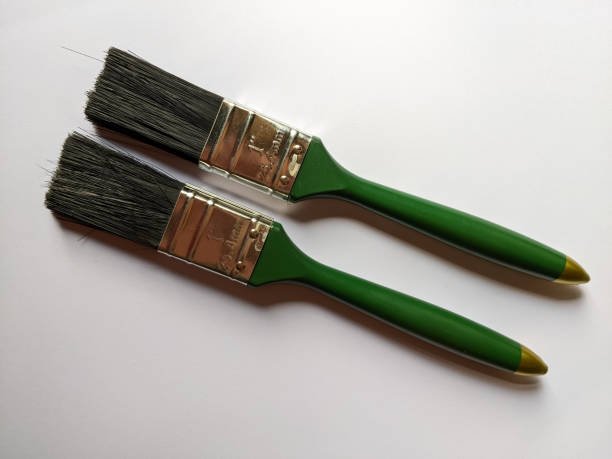
Nylon paint brushes
Not every paint job needs a big brush. Sometimes you’re working around a door frame, touching up a cabinet, or trying to get paint into a narrow corner without getting half of it on the wall. That’s where 1 ½ inch paint brushes can be useful. They’re small, but not tiny, which gives you a fair amount of control without making you work at a snail’s pace. The part that gets overlooked is the bristle material. Natural and synthetic bristles can behave quite differently. Pick the wrong one for the paint, and you’ll probably notice it within a few minutes.
Natural Bristles Feel Different on the Surface
There’s a reason natural-bristle brushes are still sitting on paint-store shelves. They have a softness that manufactured fibers don’t always copy perfectly. Natural hair bends, spreads and settles against a surface in its own way. When you’re working with oil-based paint, varnish or certain stains, that can be a real advantage. The brush tends to carry the coating well, then let it go without needing much pressure. You can make a long stroke and keep moving. That said, natural bristles aren’t great with water. They can soak it up, swell, and start feeling rough or misshapen. So using one with a water-based paint isn’t exactly doing the brush a favor.
Synthetic Bristles Are Built for Modern Paint
Synthetic brushes changed things quite a bit. Nylon and polyester fibers don’t absorb water the way natural hair does, which makes them much more suitable for latex and acrylic paints. If you’ve ever had a natural brush get soft and weird halfway through a water-based job, you already know why this matters. A good synthetic brush stays responsive while you work. It has some spring to it, too, which can help when you’re cutting a straight line along trim. Not all synthetic brushes are equal, though. Some are too stiff. Others are so soft that controlling the paint becomes a chore. The material matters, but the quality of the brush matters just as much.
Why the 1½-Inch Size Is Handy
A 1½-inch brush doesn’t look like much sitting in a toolbox. Put it on a piece of trim, though, and it starts making sense. The size gives you enough surface area to carry paint while still allowing you to work around tight spots. Window frames are a good example. So are narrow baseboards, cabinet edges, door panels and small furniture pieces. A larger brush can be awkward in those places. A smaller one might take forever. The 1½-inch size lands somewhere between the two. You still need a steady hand, obviously, but you aren’t wrestling with a giant brush when the area doesn’t call for one.
When Natural Hair Is the Better Fit
If the can says oil-based, natural bristles deserve a look. They’re particularly useful when the goal is a smooth finish rather than simply getting paint from the container onto the surface. The softness of the hair helps spread the coating without the harsh drag you can get from some stiff synthetic fibers. Stains and clear finishes on wood are another area where natural bristles can work nicely. There’s a catch, though. You need to clean them properly. Leaving oil-based material sitting in the bristles will ruin a good brush faster than most people think. And don’t soak natural hair in water just because you’re trying to get it clean. That’s not how this works.
When Synthetic Bristles Make More Sense
For ordinary interior painting, synthetic is often the easier option. Water-based paint is everywhere now, and synthetic fibers handle it without the same swelling problem. You can cut around trim, paint a door edge, or handle a small touch-up without the brush changing personality halfway through the job. A nylon and polyester blend can be especially useful because it gives you a mix of softness and stiffness. You want the bristles to bend when you need them to, but snap back instead of staying bent. That little bit of spring can make detailed painting much less annoying. Especially when you’re tired. Nobody paints better just because their hand hurts.
Where a Chip Brush Actually Belongs
A chip brush for painting isn’t really competing with a good finishing brush. It has a different purpose. These inexpensive brushes are useful for rough work, priming, staining unfinished wood, spreading adhesives, or coating surfaces where nobody is going to inspect every brush mark. They’re also handy when the material is particularly messy and cleaning the brush afterward isn’t worth the hassle. The bristles aren’t normally packed or shaped with the same precision as a quality trim brush. That’s intentional, really. If you’re brushing stain onto rough timber, you probably don’t need an expensive finishing tool. Use the cheap brush and get on with the job.
Don’t Judge a Brush by the Bristle Material Alone
Here’s where buying gets a little tricky. You can have two synthetic brushes of the same size and get two completely different experiences. One may feel balanced and controlled. The other might shed bristles before you’ve finished the first section. Run your fingers lightly across the bristles before buying. They should feel reasonably even, not like a clump of plastic fibers. Check whether the bristles return to shape after you bend them. Look at the ferrule, too. If it already feels loose, walk away. There’s no point saving a few dollars if you’re going to spend the afternoon picking loose bristles out of wet paint.
Soft, Firm, or Somewhere in Between?
Bristle stiffness deserves some attention as well. A soft brush can be great for smooth surfaces where you want to minimize visible brush marks. A firmer brush gives you more control over thicker coatings and textured surfaces. But too soft and the brush can feel almost useless when you’re trying to keep an edge. Too firm, and you’re fighting the surface instead. For trim work, a moderate amount of flexibility is usually easier to live with. You want the bristles to follow the shape of the surface without completely collapsing. This is one of those things you understand much faster by holding a brush than by reading ten product descriptions.
The Paint Should Decide the Brush
There isn’t one bristle type that makes sense for every project. Start with the paint. If you’re dealing with water-based latex or acrylic, synthetic bristles are generally the practical choice. With oil-based coatings, natural hair can provide the softness and paint control many people prefer. Then consider the surface and how precise the work needs to be. A 1½-inch brush can handle plenty of jobs, but the right bristles make a noticeable difference in how that brush behaves. And sometimes the simple choice is the right one. You don’t need an expensive specialty brush for every little project. You need a brush that matches the material, feels decent in your hand, and doesn’t make the job harder than it already is.