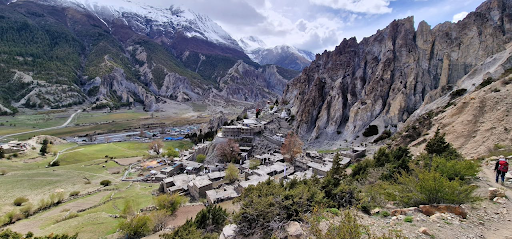
Nepal trekking occupies a strange and wonderful category of travel — part physical challenge, part cultural immersion, part meditation. There’s something about spending days on foot, moving through villages that have existed for centuries, crossing rivers on swaying suspension bridges, and watching mountains grow larger with each passing hour, that simply can’t be replicated by any other form of travel. It’s no exaggeration to say that trekking is the single activity most closely associated with Nepal worldwide, and once you understand why, it becomes obvious that this reputation is well earned.
Home to eight of the world’s ten highest peaks, Nepal offers trekking terrain that ranges from gentle, family-friendly walks through rhododendron forests to grueling high-altitude expeditions crossing passes above 5,000 meters. Whatever your fitness level, time frame, or appetite for adventure, there’s a trekking route in Nepal built for you.
Why Nepal Is the World’s Trekking Capital
Few countries combine dramatic elevation change, cultural depth, and trail infrastructure quite like Nepal. In the space of a single trek, it’s possible to walk through subtropical forest, terraced farmland worked by the same families for generations, pine and rhododendron woodland, and finally stark, high-altitude terrain that feels almost lunar in its starkness. This ecological diversity is matched by cultural variety, since many treks pass through distinct communities, Sherpa, Gurung, Tamang, Thakali, each with their own language, architecture, and traditions.
Nepal also benefits from decades of established trekking infrastructure. Teahouse lodges line most major routes, offering basic but reliable accommodation and meals, meaning trekkers don’t need to carry camping equipment or arrange complex logistics to spend weeks walking through remote mountain terrain, something that sets Nepal apart from many other high-altitude trekking destinations around the world.
Popular Trekking Regions
Everest Region (Khumbu)
The most famous trekking region in Nepal, and arguably the world, the Khumbu region is home to the legendary Everest Base Camp trek. Beginning with a dramatic flight into Lukla, the route winds through Sherpa villages, past the iconic Tengboche Monastery, and up to Base Camp itself at over 5,300 meters. Side trips to Kala Patthar or the Gokyo Lakes offer some of the best mountain panoramas achievable without technical climbing experience.
Annapurna Region
West of Everest, the Annapurna region offers Nepal’s most varied trekking terrain. The full Annapurna Circuit remains one of the great long-distance treks in the world, crossing the demanding Thorong La Pass and passing through dramatically different climate zones along the way. For trekkers with less time, the Annapurna Base Camp trek delivers a similarly spectacular payoff in a more compact 7 to 10 day window, culminating in a natural amphitheater surrounded by towering peaks.
Langtang Region
Closer to Kathmandu than either Everest or Annapurna, the Langtang Valley offers a quieter, equally beautiful alternative for trekkers with limited time. The trail passes through Tamang villages and dense forest before opening into a wide glacial valley, all within easier reach of the capital than the more famous regions further afield.
Manaslu and Upper Mustang
For trekkers seeking something wilder, the restricted areas of Manaslu and Upper Mustang offer remote, less-commercialized trekking experiences. Manaslu circles the eighth-highest mountain in the world through largely untouched villages, while Upper Mustang’s desert-like, rain-shadow landscape feels almost otherworldly compared to Nepal’s greener regions, and remains accessible even during monsoon season when most other treks become difficult.
Choosing a Trek Based on Time and Fitness
One of the most common mistakes first-time trekkers make is choosing a route based on fame alone, rather than matching it to their actual fitness level and available time. Short treks like Poon Hill, completed in just 4 to 5 days, or Mardi Himal, taking 5 to 6 days, offer genuine mountain scenery without requiring weeks of commitment or previous high-altitude experience, making them excellent starting points for beginners or families.
Moderate treks like Annapurna Base Camp or the Langtang Valley, generally 7 to 10 days, suit trekkers with reasonable fitness and some hiking background, while longer routes like Everest Base Camp, the Annapurna Circuit, or Manaslu, often spanning 12 to 20 days, demand more serious physical preparation and a genuine respect for the acclimatization process required at higher altitudes.
Understanding Altitude Sickness
Altitude, not distance or terrain difficulty, is the single biggest challenge on most major Nepal treks. Above roughly 2,500 to 3,000 meters, the risk of altitude sickness increases significantly, and it affects trekkers unpredictably regardless of overall fitness level. Well-designed itineraries build in acclimatization days at key points, allowing the body time to adjust before pushing higher.
Symptoms like headache, nausea, and fatigue are common and usually manageable with rest and hydration, but more severe symptoms require immediate descent. This is one of the strongest arguments for trekking with an experienced guide, who can recognize warning signs early and make sound decisions about pacing or, if necessary, descent.
Guides, Porters, and Independent Trekking
While some of Nepal’s trails technically allow independent trekking, most visitors, particularly first-timers, choose to hire a guide, a porter, or both. Guides provide crucial safety oversight, particularly around altitude-related decisions, along with cultural and historical context that deepens the overall experience considerably. Porters carry the bulk of gear, allowing trekkers to walk with just a light daypack, which meaningfully reduces fatigue on longer, multi-week routes.
Many trekking regions, including several restricted areas like Manaslu and Upper Mustang, actually require a licensed guide as part of the permit process, making the decision less about preference and more a practical necessity.
Permits and Paperwork
Most major trekking regions in Nepal require specific permits, such as the Sagarmatha National Park permit for the Everest region or the Annapurna Conservation Area Permit for Annapurna-area treks. Restricted areas like Manaslu and Upper Mustang require additional special permits, often at higher cost, reflecting their more remote and less-developed status. Booking through an established trekking operator typically streamlines this paperwork considerably, saving travelers from navigating unfamiliar bureaucracy on their own.
Best Time for Nepal Trekking
Autumn (September to November) is widely considered the best overall trekking season, offering stable weather, clear mountain visibility, and comfortable temperatures across most regions. Spring (March to May) runs a close second, adding blooming rhododendrons to the scenery alongside similarly favorable trekking conditions.
Winter treks remain possible, particularly at lower elevations, though higher passes become considerably colder and occasionally more difficult to cross. Monsoon season (June to August) is generally avoided for most regions, given heavy rainfall and reduced visibility, though rain-shadow areas like Upper Mustang remain a notable exception.
Final Thoughts
Nepal trekking offers an almost unmatched range of experiences, from short, family-friendly walks to demanding multi-week expeditions across high mountain passes. What unites nearly every route, regardless of difficulty or duration, is the sense of genuine immersion, walking through living communities, breathing increasingly thin mountain air, and witnessing landscapes that shift dramatically with every passing day. For travelers willing to lace up their boots and commit to the journey, Nepal delivers some of the most rewarding trekking experiences found anywhere on Earth, the kind that quietly reshape how you think about adventure long after you’ve returned home.