cost of cupping in Pakistan
Cupping therapy, widely known as Hijama across Pakistan, has grown rapidly from a traditional Sunnah practice into a mainstream therapeutic treatment. Whether you are seeking relief from chronic back pain, sciatica, migraines, or general fatigue, understanding the financial side of cupping therapy helps you plan your treatment with confidence.
On average, the cost of a cupping (Hijama) session in Pakistan ranges between PKR 1,000 and PKR 3,500 per session. However, depending on the clinic’s location, the practitioner’s qualifications, and the number of cups used, prices can start as low as PKR 500 in smaller setups and go up to PKR 6,000 for specialized home visits or advanced physiotherapy-based sessions.
Quick Price Overview: Cupping Rates at a Glance
Cupping clinics in Pakistan usually charge in one of two ways: a flat fee per session or a price based on the number of cups applied.
-
Per Session Fee: PKR 1,000 – PKR 3,500 (Includes consultation and 5 to 10 cups)
-
Per Cup Fee: PKR 150 – PKR 400 per disposable cup
-
Home Visit Service: PKR 2,500 – PKR 6,000 per session
-
Initial Consultation Fee: PKR 500 – PKR 1,500 (Sometimes included in the total package)
Cost Breakdown by Type of Cupping Therapy
The overall price depends heavily on the specific type of cupping you choose. Different techniques require varying levels of time, skill, and equipment.
+------------------------+-------------------+------------------------------------+
| Technique Type         | Price Range (PKR) | Primary Application                |
+------------------------+-------------------+------------------------------------+
| Wet Cupping (Hijama)   | 1,500 - 3,500     | Pain relief, detoxification        |
| Dry Cupping            | 1,000 - 2,000     | Muscle tightness, circulation      |
| Moving / Massage       | 1,200 - 2,500     | Athletic recovery, back stiffness  |
| Facial Cupping         | 2,000 - 4,500     | Skincare, facial muscle tone       |
+------------------------+-------------------+------------------------------------+
1. Wet Cupping (Hijama)
Wet cupping is the most popular form in Pakistan. It involves creating light suctions, making minor surface scratches on the skin, and drawing out stagnant blood and metabolic waste. Because it requires strict sanitation, sterile blades, and single-use vacuum cups, the cost generally ranges from PKR 1,500 to PKR 3,500.
2. Dry Cupping
Dry cupping creates suction on target body areas without making small incisions. It focuses purely on increasing blood flow, loosening tight fascia, and relieving muscle tension. Since it uses fewer consumables, it costs slightly less, averaging PKR 1,000 to PKR 2,000.
3. Moving or Massage Cupping
In this method, oil is applied to the skin, and the suction cup is moved across back muscles or leg tendons to relax deep tissues. It is widely used by physical therapists for sports injuries and costs between PKR 1,200 and PKR 2,500.
4. Facial Cupping
Facial cupping uses delicate silicone or glass cups designed specifically for sensitive facial skin to boost collagen and lymph drainage. Offered mainly at specialized wellness centers and skin clinics in major cities, prices range from PKR 2,000 to PKR 4,500.
City-Wise Cupping Therapy Rates in Pakistan
Pricing varies depending on real estate costs, practitioner demand, and local medical infrastructure across different major Pakistani cities.
Lahore
Lahore features a wide spectrum of providers—from community clinics in Samanabad or Wahdat Road to high-end centers in DHA and Gulberg.
-
Standard Clinic Fee: PKR 1,000 – PKR 2,500
-
DHA / Gulberg Specialized Clinics: PKR 2,000 – PKR 4,000
Karachi
In Karachi, choices range from local Matabs in Gulshan-e-Iqbal to certified sports rehab units in Clifton and PECHS.
-
Standard Clinic Fee: PKR 800 – PKR 2,000
-
Premium / Home Visits: PKR 3,000 – PKR 6,000
Islamabad and Rawalpindi
The twin cities host many qualified Doctor of Physical Therapy (DPT) professionals and PMDC-verified practitioners who integrate cupping into rehab plans.
-
Standard Clinic Fee: PKR 1,500 – PKR 3,000
-
Home Services: PKR 3,000 – PKR 5,000
What Determines the Price of Hijama in Pakistan?
If you notice a wide price gap between two clinics, several practical factors explain the difference:
Practitioner Qualification
An uncertified local practitioner might charge PKR 500 per session, but booking a session with a qualified MBBS doctor, certified DPT physiotherapist, or licensed Tibb practitioner costs around PKR 1,500 to PKR 3,000. Qualified health professionals bring clinical training in human anatomy, infection control, and proper point selection.
Safety and Hygiene Standards
Sanitation is the single most important cost factor in wet cupping. Quality clinics use:
-
Fresh, pre-sterilized, single-use vacuum cups opened directly in front of you.
-
Disposable surgical blades (scalpels).
-
Medical-grade antiseptic sprays, sterile gauze, and proper biohazard waste disposal.
Clinics using high-quality disposable kits typically build these material costs into their fee structure.
Number of Sunnah or Therapeutic Points
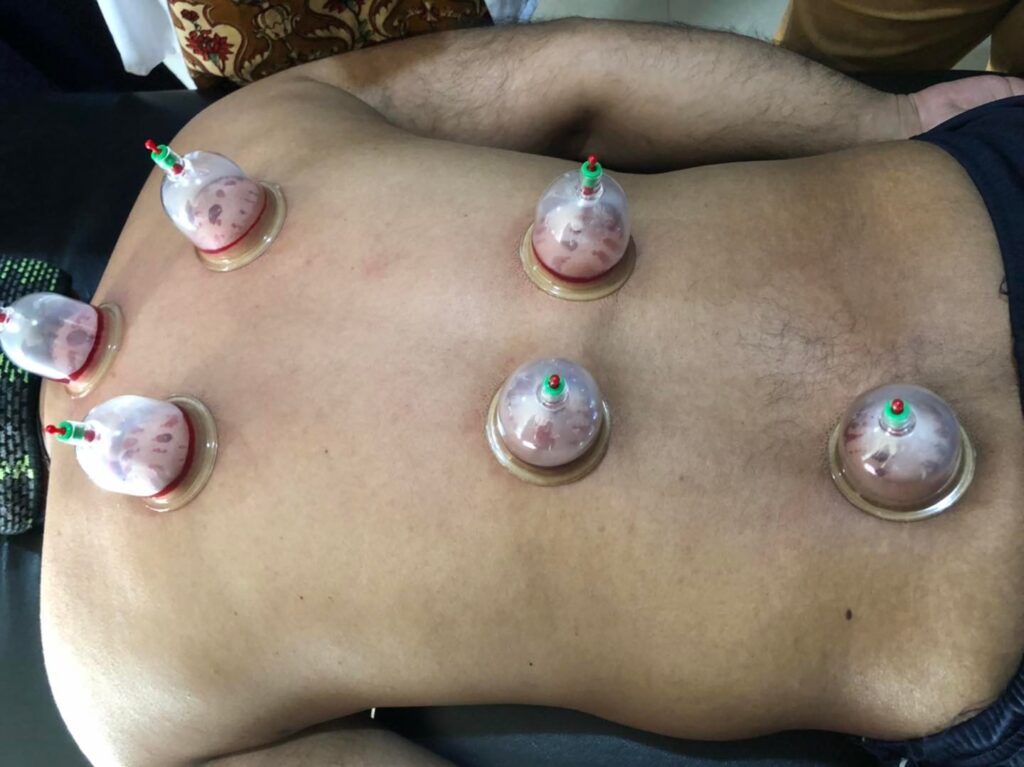
A typical maintenance session focuses on the standard Sunnah points on the upper back (between the shoulder blades) using 5 to 7 cups. If you require targeted treatment for complex conditions like bilateral sciatica, knee osteoarthritis, or multi-joint pain, the therapist may use 10 to 14 cups, increasing both time and price.
Health Benefits: Is Cupping Worth the Price?
Cupping therapy offers distinct advantages for both general health and specific musculoskeletal problems:
-
Natural Pain Management: Helps soothe back stiffness, neck spasms, shoulder tension, and sciatic nerve discomfort.
-
Improved Blood Circulation: Draws oxygenated, nutrient-rich blood to stagnant muscle tissues to speed up healing.
-
Detoxification: Removes cellular debris, excess fluid, and metabolic waste from micro-vessels under the skin.
-
Stress and Fatigue Relief: Helps release muscular tightness and encourages body-wide relaxation.
How to Pick the Right Hijama Specialist in Pakistan
When choosing a cupping therapist, prioritize safety and skill over finding the lowest price tag:
-
Check Credentials: Ensure the therapist has formal medical background (DPT, MBBS, BEMS) or verified certifications in clinical cupping therapy.
-
Insist on New Cups: Never allow a practitioner to reuse plastic cups or blades. Cups must be opened fresh and discarded after your session.
-
Verify Cleanliness: The clinic room should look as clean as an operating unit, with clean bed sheets, fresh gloves, and proper skin prep.
-
Discuss Conditions Early: Inform your therapist beforehand if you take blood thinners, suffer from anemia, have low blood pressure, or are pregnant.
Frequently Asked Questions
How many sessions of cupping do I need?
For general wellness and maintenance, one session every 1 to 3 months is typical. For chronic back pain, joint issues, or sports recovery, doctors usually recommend a package of 3 to 5 sessions spaced 10 to 14 days apart.
Does health insurance cover cupping in Pakistan?
Most conventional health insurance policies in Pakistan do not cover alternative therapies like Hijama unless the procedure is performed as part of a formal outpatient physical rehabilitation program at an empaneled hospital.
Is cupping therapy painful?
Cupping causes minimal discomfort. You will feel a tight tugging sensation as the vacuum pulls skin into the cup. During wet cupping, light surface scratches feel similar to quick pinpricks.