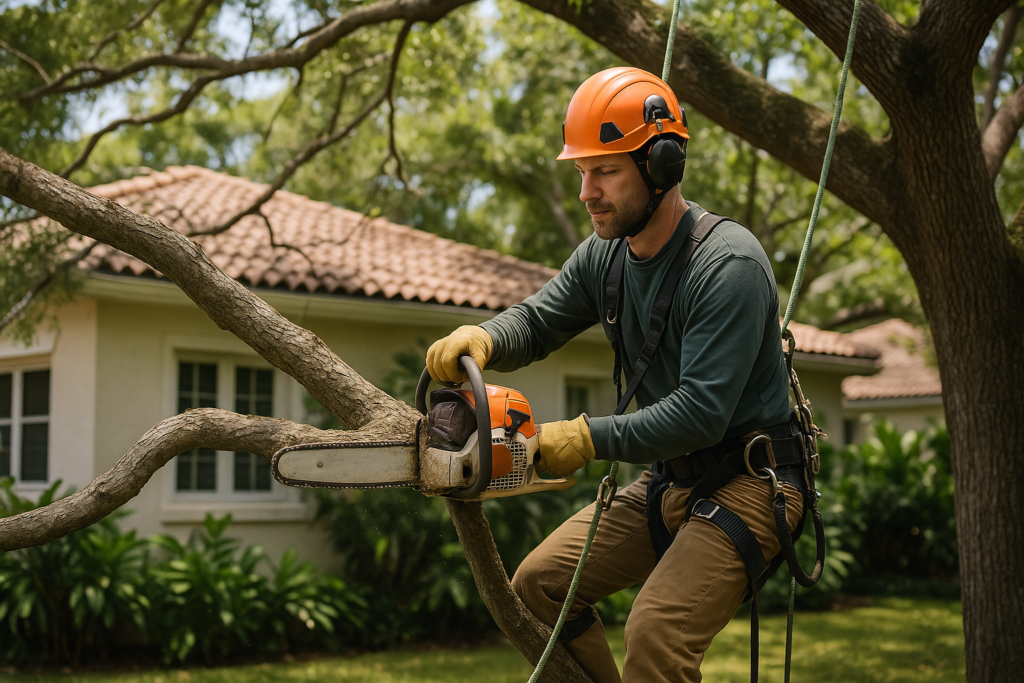
Trees make a property more attractive, provide shade, improve air quality, and increase the value of a home. Like any living thing, trees need regular care to stay healthy and safe. One important part of tree maintenance is removing deadwood at the right time.
Deadwood refers to branches that have died and are no longer growing. These branches may seem harmless, but they can become a serious safety hazard if left in the tree. They are more likely to fall during strong winds, heavy rain, or storms, putting people and property at risk.
Many homeowners are unsure when deadwood should be removed. The good news is that deadwood can usually be removed whenever it is found. However, there are certain situations and times of the year when removal becomes even more important.
This guide explains when deadwood should be removed, why it matters, and how regular tree care helps keep your landscape healthy.
What Is Deadwood?
Deadwood is made up of branches that are no longer alive. They no longer produce leaves, flowers, or new growth.
A branch may die because of:
- Old age
- Storm damage
- Strong winds
- Disease
- Insect damage
- Drought
- Root problems
- Poor growing conditions
Deadwood can appear on both young and mature trees. Even healthy-looking trees may have a few dead branches that need attention.
Why Is Deadwood Removal Important?
Dead branches continue to weaken over time. As they dry out, they become brittle and are more likely to break.
Removing deadwood helps:
- Improve safety
- Protect buildings and vehicles
- Keep trees healthy
- Reduce insect problems
- Lower the risk of disease
- Improve the appearance of the tree
Regular deadwood removal is one of the easiest ways to maintain healthy trees.
The Best Time to Remove Deadwood
Unlike regular tree pruning, deadwood can usually be removed at any time during the year.
Since dead branches no longer grow, removing them does not interfere with the tree’s normal development.
Still, there are certain times when deadwood removal is especially helpful.
Remove Deadwood As Soon As You Notice It
The safest approach is to remove dead branches as soon as they are discovered.
Waiting too long increases the chance that branches will fall unexpectedly.
Early removal helps prevent:
- Property damage
- Personal injuries
- Damage to nearby trees
- Pest infestations
- Disease spread
If you notice a dead branch, it is usually best not to leave it for months.
After Storms
Storms are one of the most common reasons trees develop deadwood.
Strong winds, lightning, and heavy rain can damage branches without causing them to fall immediately.
After severe weather, inspect your trees for:
- Broken branches
- Hanging limbs
- Split branches
- Cracked wood
- Branches with no leaves
Removing damaged wood after storms reduces future risks.
Before Hurricane or Storm Season
If your area experiences hurricanes or seasonal storms, removing deadwood before severe weather arrives is a smart step.
Dead branches are often the first parts of a tree to break during high winds.
Removing them beforehand helps reduce:
- Roof damage
- Vehicle damage
- Broken fences
- Power line problems
- Falling branch hazards
Preventive tree care is often much less expensive than repairing storm damage.
During Late Winter
Late winter is one of the most common times for tree maintenance.
Many trees are dormant during this season, making it easier to see the branch structure.
Removing deadwood in late winter offers several benefits.
It allows homeowners to:
- Spot dead branches more easily
- Prepare trees for spring growth
- Reduce disease risks
- Improve the tree’s overall shape
Many professionals recommend inspecting trees before spring arrives.
During Early Spring
Early spring is another good time to inspect trees.
As healthy branches begin producing leaves, dead branches become easier to identify.
Dead limbs often remain bare while the rest of the tree begins growing.
This makes removal easier and helps improve the tree’s appearance before the growing season.
During Summer
Summer is also suitable for removing deadwood.
Healthy trees have full leaves, making dead branches easier to recognize.
During summer inspections, look for:
- Bare branches
- Dry limbs
- Cracked bark
- Fungal growth
- Broken limbs
Removing deadwood during summer keeps trees safer during storm season.
During Fall
Fall is another good time to inspect trees before winter weather arrives.
Removing weak branches before heavy rain or strong winter winds helps reduce damage.
Fall maintenance also prepares trees for the dormant season.
Signs Deadwood Needs Immediate Removal
Some dead branches should be removed right away.
Watch for branches that are:
- Hanging over your home
- Above sidewalks
- Over driveways
- Near play areas
- Close to power lines
- Large enough to cause serious damage
These branches should not be ignored.
How Can You Tell If A Branch Is Dead?
Several signs can help identify deadwood.
Look for branches that have:
- No leaves during the growing season
- Dry, brittle wood
- Peeling bark
- Cracks along the branch
- Mushrooms or fungi
- Small twigs that snap easily
- No green layer beneath the bark
If you’re unsure, a tree inspection can help confirm whether the branch is alive.
What Happens If Deadwood Is Left Alone?
Many homeowners postpone tree maintenance because the tree still looks healthy.
Unfortunately, deadwood can create larger problems over time.
Possible risks include:
Falling Branches
Dead branches eventually become weak enough to fall.
Even small branches can damage vehicles or injure people.
Disease Spread
Dead wood often becomes home to fungi.
Some diseases spread from dead branches into healthy parts of the tree.
Removing affected branches early helps reduce this risk.
Insect Problems
Deadwood attracts insects such as:
- Carpenter ants
- Beetles
- Wood-boring insects
- Termites
Some pests may later spread into healthy trees or nearby wooden structures.
Slower Tree Growth
Trees continue sending energy toward damaged areas.
Removing dead branches allows the tree to focus its resources on healthy growth instead.
Benefits of Regular Deadwood Removal
Keeping trees free of deadwood offers many advantages.
These include:
Better Safety
Removing dangerous branches lowers the risk of injuries and property damage.
Healthier Trees
Healthy branches receive more nutrients and sunlight.
Improved Appearance
Trees look cleaner, fuller, and better maintained.
Better Airflow
Removing dead limbs improves air circulation through the canopy.
More Sunlight
Healthy branches and nearby plants receive better sunlight.
Lower Maintenance Costs
Finding problems early often prevents expensive repairs later.
Should You Remove Deadwood Yourself?
Small branches that can be reached safely from the ground may be removed with the proper tools.
However, large branches require extra care.
Avoid removing branches that are:
- High above the ground
- Heavy
- Hanging over buildings
- Close to electrical wires
Working on tall trees can be dangerous without proper equipment.
How Often Should Trees Be Inspected?
Most trees should be inspected at least once every year.
Additional inspections are recommended:
- After severe storms
- After hurricanes
- During drought
- If branches suddenly lose leaves
- If disease is suspected
Regular inspections help identify deadwood before it becomes dangerous.
Tips for Keeping Trees Healthy
Removing deadwood is only one part of good tree care.
Other helpful practices include:
- Water trees during dry periods.
- Apply mulch around the base.
- Avoid damaging roots with heavy equipment.
- Watch for insects and diseases.
- Remove damaged branches promptly.
- Schedule regular tree inspections.
- Keep the area around the tree clean.
Healthy trees are better able to withstand weather, pests, and environmental stress.
Frequently Asked Questions
Can deadwood be removed at any time?
Yes. Deadwood can usually be removed whenever it is found because it no longer affects the tree’s normal growth.
Is deadwood dangerous?
Yes. Dead branches can fall without warning and may damage property or injure people.
How do I know if a branch is dead?
Dead branches often have no leaves, dry wood, peeling bark, and become brittle over time.
Should deadwood be removed before storm season?
Yes. Removing dead branches before storms helps reduce the risk of falling limbs and property damage.
Does removing deadwood help tree health?
Yes. It allows the tree to focus its energy on healthy growth while reducing the risk of disease and pests.
Final Thoughts
Deadwood should never be ignored. Although it may seem harmless, dead branches can become a serious safety hazard and reduce the health of a tree over time. Removing deadwood as soon as it is found helps protect your home, your family, and your landscape.
Regular inspections, especially after storms and before severe weather, make it easier to identify problems early. Healthy, well-maintained trees are stronger, safer, and more attractive throughout the year.
Palm Beach Arbor
Palm Beach Arbor provides reliable tree care services, including professional deadwood removal, tree trimming, and routine tree maintenance. Regular inspections and timely branch removal help keep trees healthy while improving the safety and appearance of your property. Whether you need seasonal tree care or help with hazardous branches, Palm Beach Arbor is ready to help keep your landscape in excellent condition.