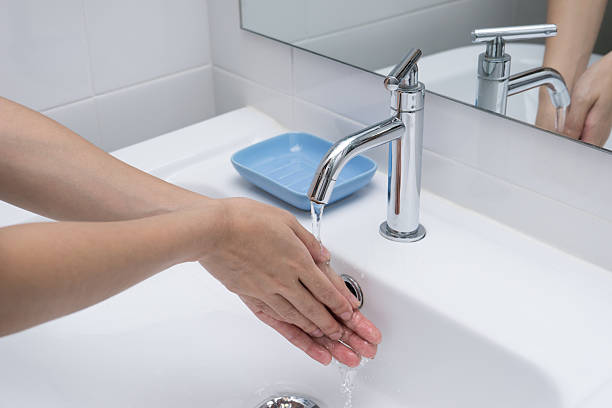
I’ll start with a confession. Every event I’ve helped with, somebody forgot the sinks. Not the food, not the tents, not the DJ. The sinks. You’d be surprised how often a hand wash station rental ends up on the list at the last minute, usually after a vendor says “uh, where do we wash up?” Then everybody scrambles. And look, hand sanitizer is fine for a quick fix, but it doesn’t cut grease, it doesn’t get dirt off, and a guy who just handled raw chicken needs real soap and real water. Period. Here’s the part people miss though.
Every sink makes waste water, and that water has to go somewhere. It goes into a tank, and the tank has to be emptied by a truck. On a big job that means high volume pumping Houston companies, the ones with serious trucks and serious suction. Skip that and you get overflow, smell, angry neighbors, maybe a fine. So the sinks and the pumping are one problem really, just wearing two hats.
So What Are You Actually Renting
The word “station” sounds fancy. It isn’t always. Basic version is a sink bolted to a stand, a tank of fresh water on one side, a tank for the dirty stuff on the other, a foot pedal, and a soap dispenser. That’s it. Some are small enough that two people can haul them around. Others are full trailers with four or six basins, hot water, lights, a little roof. Those cost more, sure, but in November when it’s chilly nobody wants to rinse under ice water, so they actually get used.
And a sink people avoid is money wasted. Foot pumps matter more than you’d think. Touching a handle with filthy hands kind of undoes the whole point. Tank sizes vary, somewhere from twenty gallons on the little guys up to a couple hundred on trailers, and the dirty tank fills about as fast as the clean one drains. Remember that. It comes back later. Also, food service units are not the same as the ones you’d see on a construction site, so ask which kind you’re getting before you sign anything.
Figuring Out How Many You Need
People hate this answer but it’s “depends.” Okay, I’ll be more useful than that. For a short event, like a couple hours, one sink per hundred guests is a rough start. Add more if there’s food, because folks wash before eating and after, and some of them twice. Job sites are easier. Twenty or thirty guys washing at lunch and at the end of the shift, two stations, done. Where you put them matters as much as how many.
Near the restrooms, yes, obviously. But also near where people eat, because nobody’s walking across a muddy field just to rinse their hands. They’ll skip it. I’ve watched it happen over and over. Lines kill usage too. If four people are waiting at one sink the fifth person turns around and leaves. So I’d rather over order by one than under order by one. Houston heat plays into it as well, hot afternoon means more water, more drinks, more bathroom trips, more washing. Plan for your busiest hour, not your average one, and if you’re stuck between two numbers just take the higher one.
Where All That Gray Water Goes
Not glamorous, but somebody has to say it. Gray water is what drains out of a sink, and in a portable unit it’s soap, grease, bits of food, dirt, whatever people had on their hands. It sits in the holding tank until a licensed hauler pumps it out and takes it to an approved disposal site. You cannot dump it on the ground. You can’t dump it in the street either, and the storm drain is the worst idea of all,
since Houston storm drains run straight to the bayou. Fines for that are real, and I’ve seen a few. People say “it’s just soapy water” like that settles it. It doesn’t. So the tank has to be emptied before it fills, not after. When one fills up mid event the sink either quits or backs up, and now you’ve got a line of guests with wet hands and no sink. Biggest complaint I hear, honestly. The fix is boring. Know your tank size, guess your usage, and put servicing on a schedule you actually write down.
Why Bigger Trucks Make a Difference
Here’s where small jobs and big jobs split apart. A backyard party with one sink? A regular pump truck handles it in ten minutes. But picture a festival with thirty sinks, forty restroom units, a food court, and a crowd of five thousand.
A small truck would take half the day, and it’s sitting on your access road blocking deliveries the whole time. High volume pumping Houston outfits run bigger vacuum tanks, thousands of gallons, with stronger pumps that clear a unit in minutes. They can hit a whole row of tanks in one stop. They can work overnight so you start fresh in the morning, and come back mid event for a quick refresh if needed. And they usually have more than one truck, which is the part I care about most.
Trucks break. Hoses split. If your guy has one rig and it dies on Saturday at noon, you’re done. A company with a real fleet just sends the next one. So treat pumping like you treat catering, plan the timing, confirm it twice, and don’t assume.
Houston Weather and Other Surprises
Houston does whatever it wants. Wet, hot, flooded, then suddenly cold. Rain turns a grass lot into soup and a heavy pump truck can sink right up to its axles, which is as bad as it sounds. Gravel pads wash out. Heat speeds up water use and makes tanks smell if they sit too long. Freeze warnings, rare but they happen, can crack lines on a trailer. So pick your spot carefully.
Level ground, firm, close enough that hoses reach, no fence in the way, no pile of extension cords. Then there’s paperwork. Depending on the size of the event and who owns the land, you might need sign off from the city or county. Food vendors usually have to show they’ve got handwashing on site, so for them the sinks aren’t a nice idea, they’re a requirement. I once saw an inspector show up at nine in the morning at a barbecue cook off and the whole thing nearly got shut down. Check rules a few weeks out. It takes one phone call and saves a miserable morning.
Choosing a Company Without Getting Burned
Cheapest quote usually has something hiding in it. So ask what’s actually included. Soap, paper towels, delivery, setup, pickup, servicing, they’re all priced separately at some places and bundled at others. Some companies rent the sinks but send you elsewhere for the pumping. Ask if they own their trucks or subcontract, because that changes how fast somebody shows up when a tank overflows at 6 pm on a Friday. Ask how many units and trucks they’ve got too.
A shop with twelve sinks and one truck is going to struggle in spring and fall, which is basically peak season here. Read reviews, but skip the five stars and the one stars and look at the threes, those tend to be honest. Get the service schedule in writing. Ask what happens if a unit breaks mid event, because one will, eventually. Good companies answer fast and don’t make excuses. Bad ones go quiet or blame you. If someone is vague on the phone, take that as your answer and keep looking.
Mistakes That Show Up Every Single Time
Same few things trip people up. Stations placed too far from where folks are hanging out. Nobody tells the crew about the gate code, or the low branch, or the soft spot by the pond, so the truck can’t get in. Water level never gets checked in the morning and the sinks run dry by noon. Soap and paper towels vanish faster than anyone guesses,
I mean really fast. Somebody on your team has to be responsible for checking the units every couple hours, and I’m talking an actual name, not “someone will handle it.” Leave space around each unit too, trucks need room to turn and guests need room to line up without clogging the walkway. A cheap sign that says wash your hands works better than you’d expect. And please, don’t wait for the tank to be full before you call. Call at about two thirds. A bit of overlap costs way less than a rush pump out, and your guests never even notice, which is the whole idea.
Wrapping It Up
So, short version. If you’re throwing anything outdoors in Houston, a hand wash station rental belongs in the plan from day one, not day before. Choose the right style, get enough units, put them where people walk, keep them stocked. Then deal with the waste side early. A solid high volume pumping Houston crew keeps those tanks emptied fast and on time, so your sinks work for the first guest and the last one.
Skip that step and it all falls apart, usually at the worst possible moment, in front of everybody. Call your rental company early. Ask the annoying questions. Get the schedule in writing and check things yourself on the day. It isn’t exciting work, I know that. But nobody ever left an event complaining the sinks were too clean, and plenty of folks remember when they weren’t. Get it sorted, then go enjoy the party.
Frequently Asked Questions
How much does hand wash station rental cost in Houston?
Depends on the unit. A basic single sink for a day might run seventy five to a hundred and fifty bucks. Hot water trailers cost a few hundred. Delivery, servicing and how long you keep it all change the number, so get it in writing.
How many sinks do I need for 200 guests?
Two or three if it’s a short event. Go with four if you’re serving food or people are there all day. When in doubt, add one more so lines stay short.
Who empties the gray water tank?
A licensed pumping company. They empty the sealed tank and haul it to an approved disposal site. Some rental companies include it, some don’t, so ask first.
When do I need high volume pumping Houston services instead of a regular truck?
Festivals, big job sites, anything with lots of tanks to clear in a short window. Bigger trucks and stronger pumps save time and lower the risk of overflow.
Do I need a hand wash station at a food event?
Usually yes. Health departments often require handwashing for food vendors, so check local rules and get a unit rated for food service