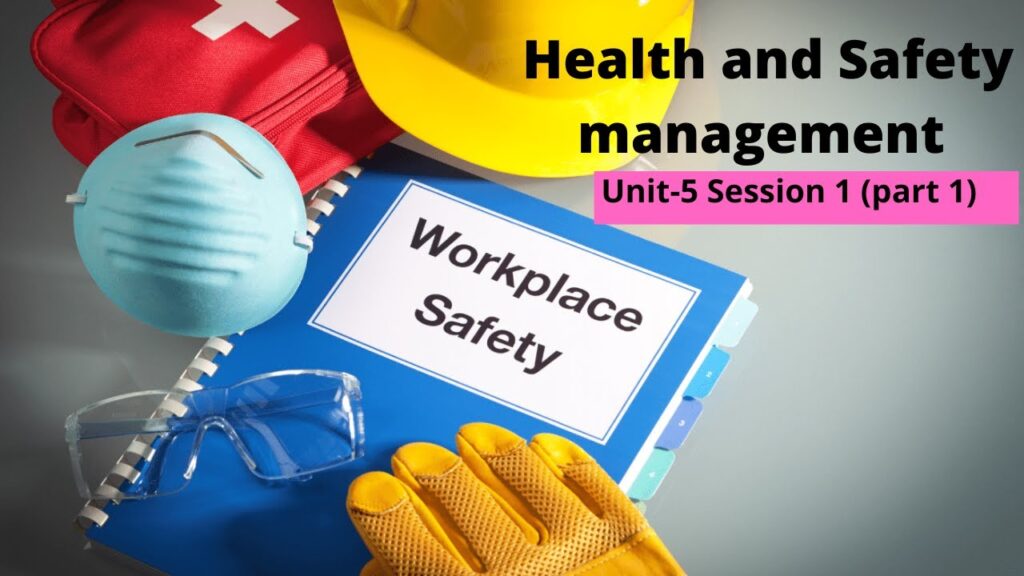
Workplace Health and Safety
In today’s fast-paced work environments, employee well-being has become more important than ever. Businesses are no longer focused only on productivity but also on maintaining a healthy workforce that can perform safely and efficiently. Occupational Health plays a key role in achieving this balance by preventing work-related illnesses, reducing injuries, and promoting long-term employee wellness. At First Care Family Clinic, occupational health services are designed to support both employers and employees by ensuring safer workplaces and healthier working conditions.
Understanding Occupational Health in Modern Workplaces
Occupational health refers to the practice of protecting and improving the health and safety of people at work. It focuses on identifying workplace risks, preventing injuries, and managing conditions that may arise due to job-related activities. In modern industries, where employees may face physical strain, chemical exposure, long working hours, or high stress levels, occupational health has become a critical requirement rather than an optional service.
It is not limited to treating injuries after they happen. Instead, it takes a preventive approach by assessing workplace environments, improving safety standards, and educating employees about health risks. This proactive strategy ensures fewer sick days, improved morale, and higher productivity across organizations.
Why Occupational Health Matters in Today’s Work Environment
Modern workplaces have changed significantly due to technology, industrial growth, and increased work demands. Employees now face different kinds of risks depending on their job roles. Office workers may struggle with poor posture and eye strain, while industrial workers may deal with heavy machinery, noise exposure, or hazardous materials.
Occupational health ensures that these risks are properly managed. It helps employers create safer environments and allows employees to perform their duties without compromising their health. A healthy workforce directly contributes to better efficiency, reduced absenteeism, and improved workplace satisfaction.
Another important aspect is legal and regulatory compliance. Many countries require businesses to follow occupational health and safety guidelines. By implementing proper systems, companies not only protect their employees but also avoid legal issues and penalties.
Common Workplace Health Risks and Challenges
Workplaces today present a variety of health challenges depending on the industry. Physical injuries are common in construction, manufacturing, and logistics sectors, where workers may face falls, cuts, or repetitive strain injuries. In office environments, long sitting hours often lead to back pain, neck stiffness, and vision problems.
Psychological stress is another major concern in modern workplaces. Tight deadlines, workload pressure, and job insecurity can contribute to anxiety, burnout, and depression. These mental health issues often go unnoticed but have a strong impact on productivity and employee retention.
Exposure to harmful substances, poor ventilation, and lack of proper safety equipment can also lead to long-term health complications. Occupational health programs are designed to identify and minimize these risks before they become serious problems.
Preventive Role of Occupational Health Programs
One of the most important aspects of occupational health is prevention. Instead of waiting for injuries or illnesses to occur, these programs focus on early detection and risk reduction. Regular workplace assessments help identify potential hazards, while employee screenings ensure that health issues are caught early.
Preventive care also includes vaccinations, health education, ergonomic assessments, and routine check-ups. By promoting awareness and encouraging healthy practices, occupational health programs help employees take responsibility for their own well-being while also supporting organizational safety goals.
Importance of Workplace Safety Training
Safety training is a core component of occupational health. Employees need to be educated about potential risks and how to handle them effectively. This includes training on how to use equipment safely, respond to emergencies, and follow proper hygiene practices.
Well-trained employees are less likely to make mistakes that lead to accidents or injuries. Training also builds confidence, allowing workers to perform their tasks more efficiently. Regular refreshers ensure that safety standards are maintained and updated according to changing workplace conditions.
Occupational Health and Employee Productivity
A healthy employee is a productive employee. When workers are physically and mentally well, they are more focused, motivated, and efficient. Occupational health programs help reduce sick leave, prevent chronic illnesses, and improve overall workplace energy.
Organizations that invest in employee health often see higher retention rates and better job satisfaction. Employees feel valued when their well-being is prioritized, which leads to stronger loyalty and commitment toward the company.
Mental Health in Occupational Health Care
Mental health has become a major focus in modern occupational health strategies. Stress, burnout, and emotional exhaustion can significantly affect performance and workplace relationships. Addressing mental health involves creating supportive work environments where employees feel comfortable discussing their challenges.
Counseling services, stress management programs, and flexible work arrangements are some ways organizations can support mental well-being. Recognizing mental health as equally important as physical health leads to a more balanced and productive workforce.
Legal and Ethical Responsibility of Employers
Employers have both legal and ethical responsibilities when it comes to workplace safety. Occupational health regulations require organizations to provide safe working conditions, proper training, and necessary protective equipment.
Beyond legal obligations, ethical responsibility plays a crucial role in building trust between employers and employees. Companies that prioritize health and safety demonstrate care for their workforce, which strengthens their reputation and workplace culture.
Long-Term Benefits of Occupational Health Programs
Investing in occupational health provides long-term benefits for both employees and organizations. Reduced workplace injuries lead to lower medical costs and fewer compensation claims. Improved employee health results in better performance and increased productivity.
Organizations also benefit from stronger brand reputation, as companies known for good workplace practices attract skilled professionals. Over time, occupational health programs contribute to sustainable business growth and a healthier workforce.
Conclusion
Occupational health is no longer just an optional workplace benefit, it is an essential part of modern business operations. By focusing on prevention, safety, and employee well-being, organizations can create healthier and more productive environments. From physical safety to mental wellness, every aspect of workplace health plays a role in overall performance and satisfaction. At First Care Family Clinic, occupational health services are designed to help businesses protect their workforce and ensure long-term well-being through expert guidance and preventive care.
FAQs
Q1. What is Occupational Health?
Occupational health focuses on maintaining and improving the physical and mental well-being of employees in the workplace while preventing work-related illnesses and injuries.
Q2. Why is Occupational Health important in modern workplaces?
It helps reduce workplace injuries, improves productivity, ensures legal compliance, and promotes a healthier work environment for employees.
Q3. What are common workplace health risks?
Common risks include physical injuries, repetitive strain, exposure to hazardous materials, stress, and mental health challenges.
Q4. How does Occupational Health improve productivity?
By keeping employees healthy, reducing absenteeism, and improving morale, occupational health directly enhances workplace productivity.
Q5. Can Occupational Health include mental health support?
Yes, modern occupational health programs include stress management, counseling, and mental wellness support as part of employee care.