Why the Essentials Hoodie Is the Streetwear Staple You
Why the Essentials Hoodie Is the Streetwear Staple You Actually Need
It’s 6:15 a.m., I’m half-awake, and I’m digging through a drawer for something that won’t leave me shivering on a cold run but also won’t have me stripping layers by mile two. Nine times out of ten, my hand lands on the same piece: my Essential Hoodie. It’s not flashy. It’s not the thing I bought to impress anyone. It’s just the piece that keeps working, wash after wash, season after season. I’ve had mine in regular rotation for over a year now, and this article is everything I’ve learned about it — the good, the mediocre, and the one thing that genuinely bugs me about it.
What Makes the Essentials Hoodie Different
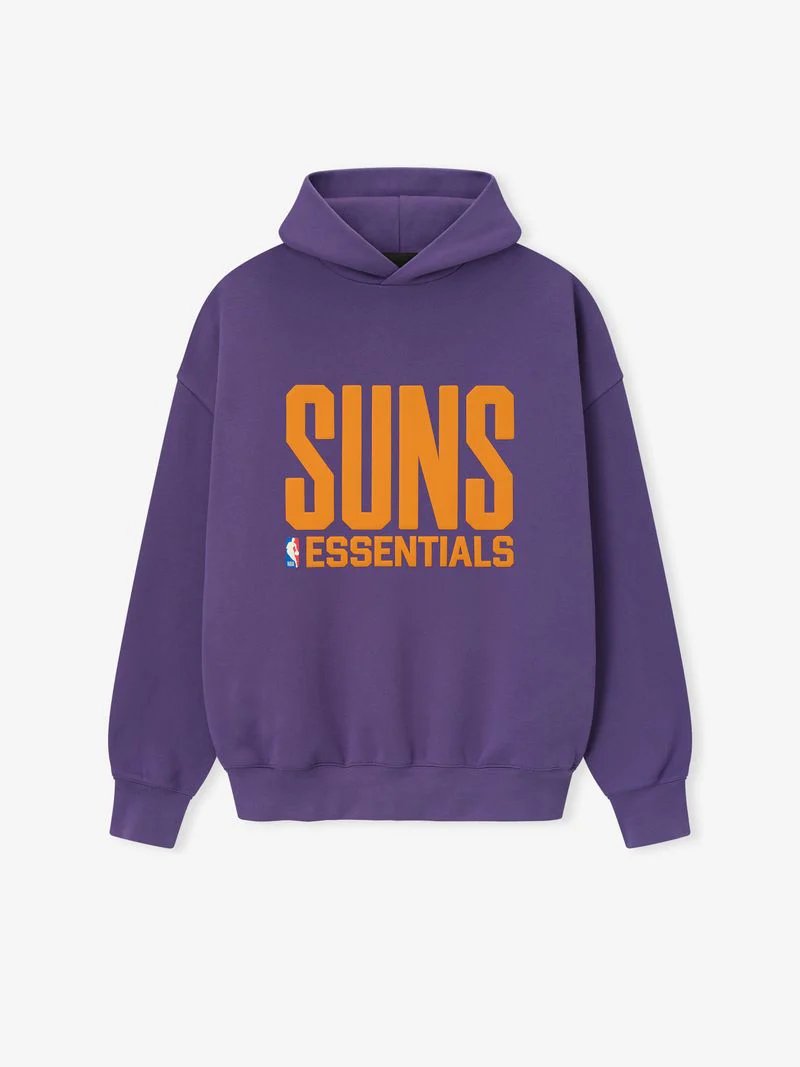
The first time you pull an Essentials Hoodies out of the bag, it doesn’t scream for attention, and that’s sort of the point. The brand built its identity on minimalist design language — muted colorways, oversized branding kept to a small chest logo or reflective tab, and silhouettes that lean into a boxy, drop-shoulder cut rather than a fitted athletic shape. That drop-shoulder construction is doing more work than people give it credit for. It changes how the hoodie sits on your frame, adding just enough room through the chest and arms that you can layer a tee underneath without feeling constricted, but it’s tailored enough through the body that you don’t look like you’re wearing a tent.
Fabric-wise, most seasons use a mid-to-heavyweight garment-dyed fleece, somewhere in the 400-450 GSM range depending on the drop. Garment-dyeing (as opposed to dyeing the yarn before construction) is why the color has that slightly faded, lived-in look right out of the bag — and why it fades further, in a good way, after repeated washes. The inside is brushed for softness, which matters more than people expect; a scratchy hood lining is a small thing that ruins an otherwise great piece. After about ten washes, mine has softened up noticeably without losing structure, which tells me the fleece-to-cotton blend they’re using is reasonably durable, not just soft on day one and pilling by week three.
Essentials Hoodie vs. the Rest of the Lineup
If you’re new to the label, it helps to know how the Essentials Hoodie stacks up against the rest of the collection, because they’re not interchangeable — each piece is built for a slightly different moment.
The Essentials Shirt (usually a heavyweight tee or long-sleeve) is your base layer piece — thinner, more breathable, meant to go under something else or stand alone in warmer months. The Essentials Sweatshirt is the hoodie’s quieter sibling: same fleece family, same boxy cut, but no hood, which makes it a better option if you’re layering under a jacket and don’t want extra bulk at the neck. The Essentials Jacket — often a coach jacket or a fleece-lined shell — is the outer layer that the hoodie plays well underneath once temperatures drop into genuinely cold territory. And the Essentials Tracksuit pairs a hoodie or sweatshirt top with matching joggers, which is less “outfit” and more “uniform” — the kind of thing you throw on when you want to look put-together without making a single decision.
The hoodie sits right in the middle of all of this: warmer than the shirt, more versatile than the tracksuit, and less bulky than the jacket. That middle-ground utility is honestly why it’s the piece I reach for most.
How to Style an Essentials Hoodie
I’ve cycled through a handful of go-to combinations, and a few have stuck around long enough to call them proven.
Loungewear, obviously. Hoodie and joggers from the same tracksuit drop, oversized on purpose, no belt, no effort. This is the laziest outfit I own and also one of the most complimented, which tells you something about where streetwear culture has landed.
Layered under a jacket for fall. This is my favorite use case. A neutral-colorway hoodie under an unstructured wool coat or a denim jacket gives you that layered, slightly disheveled look that’s been trending in menswear for a few seasons now — casual on top, considered underneath. The boxy cut of the hoodie actually helps here, since it doesn’t bunch up under a fitted outer layer the way a slim hoodie would.
Dressed up, cautiously. I’ve worn mine under a tailored overcoat with slim trousers and boots for a “smart-casual but I refuse to wear a blazer” look. It works better than it has any right to, mostly because the fabric drapes cleanly instead of looking sloppy.
With cargo pants and a beanie for that classic streetwear silhouette — oversized top, tapered or straight-leg bottom, one statement sneaker. This is the combination that first got me into the brand, and it’s still the one I default to when I’m not overthinking an outfit.
My honest opinion: the hoodie is at its best when it’s not the only statement piece in the fit. Let it be the quiet, structural layer and build texture around it.
Sizing, Fabric Care & Longevity
Here’s where I’ll be blunt, because this is the section that actually matters if you’re spending real money on one of these.
Sizing runs generously. If you’re between sizes, size down — the drop-shoulder cut already adds visual and physical room, so true-to-size can look almost like a size-up on a slimmer frame. I’m usually a true medium in most brands and went with a small in my Essentials Hoodie; it still has that intentionally oversized look without swallowing me.
Washing: cold water, inside out, and skip the dryer if you can — air-drying preserves the fleece’s texture and keeps shrinkage minimal. I made the mistake of machine-drying mine on medium heat twice early on, and I did notice slight shrinkage in the sleeve length, nothing drastic, but enough to change how it layers.
Longevity, the honest part: after roughly ten to twelve washes, the color has mellowed a shade lighter (expected with garment-dyed fleece), and the fabric has softened in a way that feels earned rather than worn out. My one real complaint is that the fleece pills slightly after heavy wash cycles, particularly under the arms where there’s friction. It’s not enough to ruin the piece, but it’s noticeable if you’re the type who inspects your clothes closely. A fabric shaver handles it in about two minutes, but it shouldn’t be necessary at this price point.
Colorway availability is its own consideration — the black and heather grey drops tend to sell out fastest, often within days of release, while some of the seasonal pastel or muted earth-tone colorways stick around longer. If you want a specific color, don’t wait.
Is the Essentials Hoodie Worth It?
This is the question that actually matters, and the honest answer is: it depends on what you’re comparing it to.
Against fast-fashion hoodies in the $30-50 range, yes, it’s worth it — the fabric weight, construction, and how it holds up over a year of regular wear justify the price difference. Against other premium streetwear hoodies in a similar price bracket, it’s more competitive than dominant. You’re paying partly for the minimalist branding and cultural cachet, not purely for fabric innovation you couldn’t find elsewhere for less.
The price point is the real friction point for a lot of buyers, and I won’t pretend otherwise. It’s not the most expensive hoodie in this category, but it’s not casual-purchase money either. If you wear hoodies daily and want one piece that’ll outlast a season of heavy rotation, it earns its keep. If you’re an occasional hoodie wearer looking for something to throw on twice a month, there are cheaper options that will serve you just as well.
It’s a genuinely good hoodie. It is not a magic piece of clothing, and anyone telling you otherwise is selling something.
FAQs
Is the Essentials Hoodie true to size?
It runs slightly oversized due to the drop-shoulder cut, so most reviewers, myself included, recommend sizing down if you prefer a less boxy fit. If you want the intended relaxed silhouette, stick with your regular size.
What fabric is the Essentials Hoodie made from?
It’s typically a garment-dyed cotton-blend fleece, brushed on the inside for softness, in a mid-to-heavyweight range around 400-450 GSM. Exact composition can vary slightly by season and drop, so it’s worth checking the tag on the specific piece you’re buying.
How do I style an Essentials Hoodie for different seasons?
In cooler months, layer it under a coat or denim jacket for added warmth without bulk. In warmer weather, wear it solo with shorts or joggers in the early morning or evening, since the fleece weight is a bit much for peak summer heat.
What’s the difference between the Essentials Hoodie and Essentials Sweatshirt?
The core fabric and boxy silhouette are nearly identical, but the sweatshirt skips the hood, making it a better under-layer when you don’t want extra fabric bunching at the neck. The hoodie is the better standalone piece; the sweatshirt is the better layering piece.
How should I wash and care for an Essentials Hoodie to make it last?
Wash cold and inside out, and air-dry when possible to prevent shrinkage and preserve the fleece texture. Avoid high heat in the dryer, which can shrink the sleeves and speed up pilling.
Is the Essentials Tracksuit a good match with the Essentials Hoodie?
Yes, since the tracksuit’s hoodie top and joggers are cut from the same fabric family, the fit and drape match well if you want to buy the hoodie separately and pair it with different tracksuit joggers later. It’s an easy way to build a coordinated look without committing to the full set every time.
Ready to Find Your Fit?
If you’re on the fence, start by checking the sizing chart before you buy — it’ll save you a return. And if you like the hoodie, it’s worth browsing the full Essentials collection, including the Essentials Sweatshirt guide and the Essentials Tracksuit lineup, to see how the pieces work together.