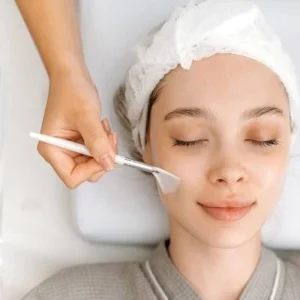
Acne can leave skin looking uneven, rough, or marked, even after active breakouts begin to settle. Acne Treatment in Abu Dhabi can help improve the appearance and feel of the skin by addressing clogged pores, inflammation, and acne-related marks through a plan suited to the individual’s skin and concerns.
How Acne Affects Skin Texture
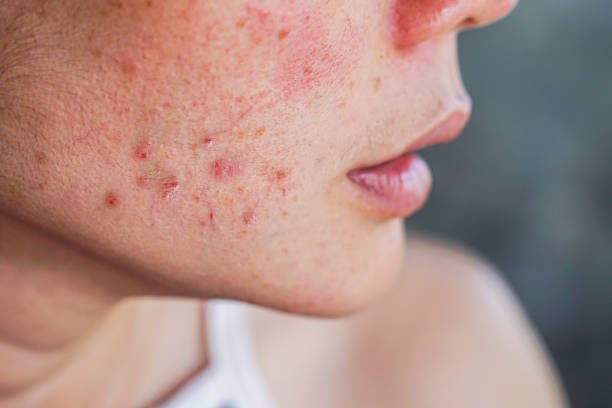
Acne develops when pores become blocked with oil and dead skin cells. Inflammation around these pores can make the surface look bumpy or uneven. Some breakouts may also leave discoloration or shallow depressions as they heal.
Texture concerns can include:
- Small bumps or clogged pores
- Rough or uneven areas
- Red or dark marks left after breakouts
- Shallow acne scars
- A combination of active acne and lingering marks
The type and depth of the concern can influence which treatment approach is appropriate.
How Acne Treatment Can Support Smoother-Looking Skin
Clearing Blocked Pores
Treatment approaches may help reduce pore congestion and the buildup that contributes to bumps. When fewer pores are blocked, the skin can appear more even over time.
Calming Acne-Related Inflammation
Reducing active inflammation may help limit the appearance of new blemishes and support a more settled complexion. Addressing breakouts early can also help reduce the chance of further marks developing.
Improving the Appearance of Post-Acne Marks
Some acne treatments focus on discoloration that remains after a blemish has healed. As the skin gradually renews itself, these marks may become less noticeable, although progress varies from person to person.
Addressing Uneven Areas and Scarring
When acne has left textural changes, a qualified skin professional may discuss suitable options based on the type of scarring and the person’s skin. Different concerns can require different approaches, and improvement is usually gradual rather than immediate.
Why a Personalized Treatment Plan Matters
Acne and texture concerns do not look the same on everyone. A personalized assessment can help identify whether the main issue is active acne, clogged pores, discoloration, scarring, or a mix of concerns.
A treatment plan may take into account:
- Skin type and sensitivity
- The location and severity of breakouts
- Whether acne is currently active
- The appearance and depth of marks or scars
- Previous treatment experiences
- The person’s goals and expectations
This tailored approach can help keep treatment focused on the skin’s actual needs rather than relying on a one-size-fits-all method.
What to Expect During the Treatment Process
Initial Skin Assessment
The process generally begins with a review of the skin and its concerns. The assessment helps determine which changes are most important to address and whether more than one approach may be needed.
Gradual Progress
Skin texture usually changes over time. Some people may notice improvements in active breakouts before seeing changes in marks or uneven areas. Consistency with the agreed treatment plan can help support steady progress.
Ongoing Review
Follow-up assessments can help track how the skin is responding. The plan may be adjusted if the person’s needs change or if a particular concern becomes more prominent.
Factors That Can Influence Results
Results can differ depending on the type of acne, how long it has been present, the depth of scarring, and the skin’s natural healing process. The consistency of treatment and the individual’s overall skin condition may also affect how quickly visible changes appear.
A realistic plan focuses on gradual improvement. It can help soften the look of uneven texture and reduce acne-related concerns, but the extent of change varies for each person.
FAQs
Can Acne Treatment Improve Rough Skin Texture?
It may help improve roughness when the texture is linked to clogged pores, active acne, or acne-related marks. The right approach depends on what is causing the uneven surface.
Does Acne Treatment Help With Acne Scars?
Some approaches may improve the appearance of certain acne scars. The options depend on the scar type and depth, so an assessment can help clarify what may be suitable.
How Long Does It Take to Notice a Difference?
The timeline varies. Active breakouts, discoloration, and scarring may respond at different rates, and gradual changes are more common than an overnight transformation.
Can Active Acne and Old Marks Be Addressed Together?
A treatment plan may consider both, but the order and combination of approaches depend on the skin’s condition. A professional assessment can help set appropriate priorities.
Is One Treatment Approach Suitable for Everyone?
No. Skin type, acne severity, and the kind of texture concern all matter. A personalized plan is generally better suited to an individual’s needs.
Supporting a More Even-Looking Complexion
Acne treatment can help address the causes and visible effects of breakouts, including clogged pores, inflammation, marks, and some forms of scarring. With an approach tailored to the skin and realistic expectations, people may gradually see a smoother, more even-looking complexion.