Whether you’re planning to build a new home, install a swimming pool, construct a detached garage, add a deck, or renovate your property, obtaining the necessary permits is one of the first and most important steps. Unfortunately, many property owners underestimate how critical accurate documentation is during the approval process.
One of the most essential documents required by municipalities is a site plan for permit applications. A professionally prepared site plan provides local authorities with a clear understanding of your property, existing structures, and proposed improvements. More importantly, it helps prevent costly delays, revisions, and permit rejections.
In this guide, we’ll explain why professional site plans matter, how they simplify permit approvals, and why investing in an accurate permit drawing can save both time and money.
What Is a Site Plan for Permit Applications?
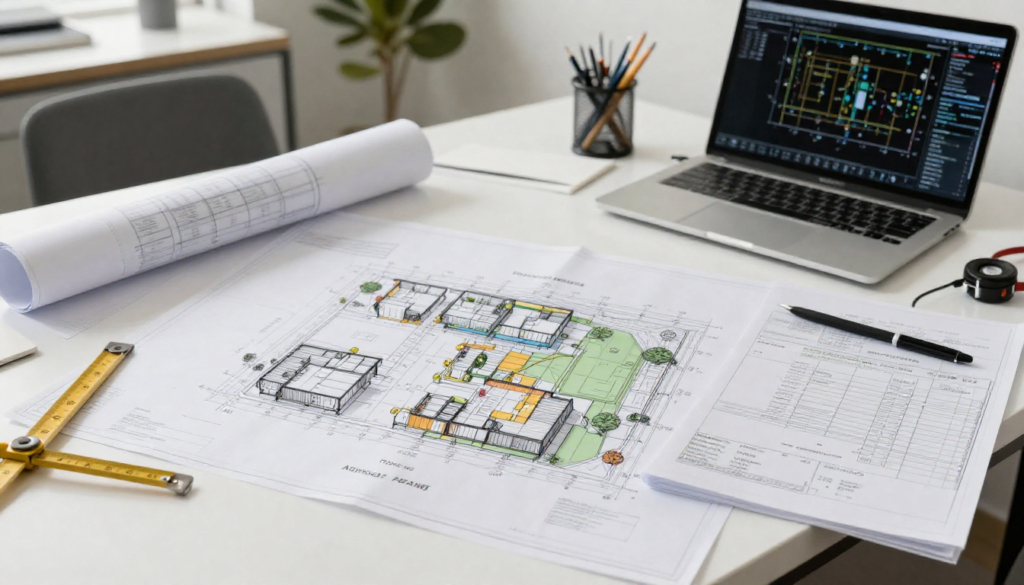
A site plan for permit is a scaled drawing that illustrates your property and everything located on it. It includes the property boundaries, existing buildings, proposed construction, driveways, easements, utility lines, setbacks, landscaping, and other important site features required by the local permitting authority.
Unlike a simple sketch, a professional site plan follows municipal standards and includes precise measurements and labeling. It allows permit reviewers to verify that your proposed project complies with zoning regulations, building codes, and local development requirements.
Without a detailed site plan, many permit applications are considered incomplete and may be delayed until the required information is submitted.
Why Professional Site Plans Matter
While it may be tempting to create your own drawing, permit offices often require accurate and professionally formatted documentation. Even small mistakes can result in additional review cycles.
A professionally prepared permit drawing offers several important advantages:
- Accurate property dimensions
- Clearly identified setbacks
- Proper scaling and labeling
- Compliance with municipal requirements
- Reduced risk of permit rejection
- Faster communication with reviewers
Professional site plans are designed to present all required information in a format that permit departments can easily review, helping move your application through the approval process more efficiently.
How Site Plans Help Speed Up Permit Approval
One of the biggest reasons permit applications are delayed is incomplete or inaccurate documentation. Building departments must confirm that every proposed improvement complies with local zoning rules before issuing approval.
When you get a site plan prepared by experienced professionals, reviewers can quickly evaluate:
- Property boundaries
- Distance from structures to lot lines
- Building setbacks
- Proposed additions
- Driveway locations
- Easements
- Utility access
- Drainage considerations
Because the information is organized clearly, reviewers spend less time requesting corrections or additional documentation.
This significantly reduces review time and minimizes unnecessary back-and-forth communication.
Common Projects That Require Permit Drawings
Many homeowners are surprised to learn how many residential improvements require permits and supporting documentation.
Professional permit drawing services are commonly needed for:
- Home additions
- Garage construction
- Swimming pools
- Deck installations
- Covered patios
- Accessory dwelling units (ADUs)
- Fences (in many municipalities)
- Sheds
- Solar panel installations
- Commercial property improvements
Each project has unique municipal requirements, but nearly all require accurate property information before approval can be granted.
Working with professionals ensures that your site plan includes the information specific to your type of project.
Avoid Costly Delays and Revisions
Permit delays don’t just slow construction—they can increase overall project costs.
Incorrect measurements, missing property features, or improperly labeled setbacks often lead to requests for revisions. Each revision means additional review time and may even postpone contractor schedules.
Professional site plans help eliminate many of these common issues before your application is submitted.
Some of the most common mistakes found in self-prepared drawings include:
- Incorrect lot dimensions
- Missing easements
- Improper building setbacks
- Unscaled drawings
- Missing existing structures
- Incomplete labels
- Incorrect north orientation
By choosing experienced professionals to get a site plan, you dramatically reduce the chances of these avoidable errors.
What Information Is Included in a Professional Site Plan?
Although requirements vary by municipality, most professional site plans include:
- Property boundaries
- Lot dimensions
- Existing buildings
- Proposed construction
- Setback measurements
- Driveways and parking areas
- Sidewalks
- Utility connections
- Easements
- Landscaping features
- North arrow
- Scale information
- Property address
- Neighboring streets
Depending on your project, additional engineering or zoning information may also be required.
Professional drafting teams understand what local permit offices typically request and prepare drawings accordingly.
Choosing the Right Site Plan Provider
Not all drafting services provide permit-ready documents. Choosing an experienced provider can make a significant difference in how smoothly your permit application moves through the review process.
When selecting a provider, look for:
- Experience with residential and commercial permits
- Fast turnaround times
- Accurate CAD-based drawings
- Knowledge of municipal permit requirements
- Responsive customer support
- Affordable pricing
- Revision support if needed
An experienced provider understands how local building departments review applications and prepares documentation that meets those expectations.
Although professional site plans represent a small portion of your overall construction budget, they often prevent much larger expenses caused by project delays or rejected applications.
Final Thoughts
Applying for building permits doesn’t have to be stressful. Much of the approval process depends on submitting accurate, complete, and easy-to-review documentation from the beginning.
A professionally prepared site plan for permit applications gives municipal reviewers the information they need to evaluate your project quickly and accurately. Whether you’re planning a home addition, new garage, deck, pool, or commercial improvement, investing in a quality permit drawing reduces delays, improves approval timelines, and gives you greater confidence throughout the permitting process.
If you’re ready to get a site plan for your next project, working with experienced drafting professionals is one of the smartest investments you can make. Accurate drawings not only simplify the permit process but also help ensure your construction project starts on schedule and stays on track from day one.