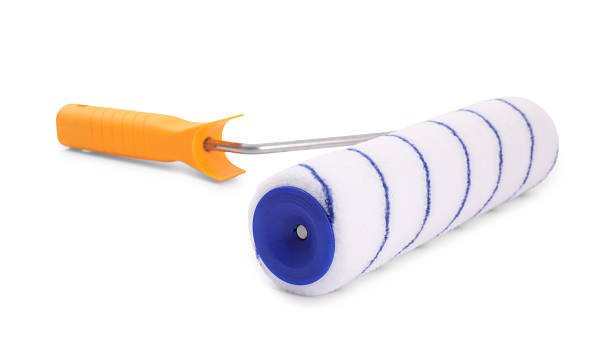
Painting a large wall sounds simple enough until you’re halfway through and your arms start aching, the paint looks patchy, and the job is taking twice as long as expected. The problem isn’t always your technique. Sometimes, you’re just using the wrong equipment. An 18 inch paint roller can cover a much wider area with every pass, which makes a real difference when you’re working on long walls, open living rooms, hallways, or commercial interiors. You still need a bit of patience and a decent method, but the right roller setup can save hours of unnecessary work. And honestly, nobody wants to spend their whole weekend painting one room.
Why Roller Size Matters on Large Walls
A standard nine-inch roller works well for bedrooms, smaller rooms, and areas where you need more control. But when you’re facing a long, uninterrupted wall, covering that same surface with a narrow roller means making more passes than necessary. A wider roller spreads paint across a bigger section, helping you move along quicker without constantly going back over the same areas. That’s the main advantage. However, bigger isn’t automatically better for every situation. Wide rollers hold more paint and can become heavy, especially when fully loaded. If you’re not comfortable handling one, fatigue can affect your finish. Choose equipment that matches both the wall size and your ability to control it.
Choose the Right Roller Cover for the Surface
The roller frame is only half the story. The cover, sometimes called a sleeve or refill, matters just as much. A short-nap cover generally suits smooth plaster, drywall, and properly prepared interior walls. A thicker nap is better for textured surfaces because it reaches into small dips and uneven spots. Use the wrong cover and you might end up with streaks, excess texture, or little patches that look different once the paint dries. Check the paint manufacturer’s recommendations before choosing a refill, too. Water-based paints and heavier coatings can behave differently depending on the material. A quality cover that releases paint evenly is worth paying a little more for, especially if you’ve got several large walls to finish.
Prepare the Wall Before You Start Rolling
Preparation isn’t the exciting part, but skipping it usually costs more time later. Move furniture away from the wall, cover the floor, and use painter’s tape where needed. Remove dust and grease, fill holes, and sand rough patches until the surface feels reasonably even. If the wall has stains, repairs, or a dramatic colour change, a suitable primer may be necessary. Let everything dry properly before painting. This matters because a wide roller can spread paint quickly, but it won’t hide poor preparation. In fact, it can make surface flaws more obvious when light hits the finished wall. Spend a little time getting the wall ready and the actual painting becomes much less frustrating.
Load the Roller Properly to Avoid Wasted Paint
One common mistake is dipping the roller too deeply into the tray and then trying to control all that excess paint. It usually ends with drips, splashes, and uneven coverage. Instead, load the cover evenly and roll it across the tray’s ridged section to distribute the paint. The roller should be wet enough to cover the wall without dripping everywhere. Start near the top of the wall, keeping a manageable distance from the ceiling, and work in overlapping sections. Don’t press hard just because the roller seems to be running dry. That can leave thin patches and create unwanted marks. Reload when needed. A steady hand works better than trying to squeeze every last drop out of the cover.
Use a Consistent Rolling Pattern
The quickest way to paint isn’t necessarily to move the roller as fast as possible. It’s to keep your coverage consistent. Apply paint in manageable sections, then lightly roll back over the area to even out the finish while the paint is still workable. Many painters use a loose W or M pattern to distribute paint before filling the gaps with overlapping strokes. With a wider roller, keep those movements controlled rather than swinging your arms across the wall. Work from one section into the next while maintaining a wet edge. If you let one area dry before blending the adjoining section, visible lap marks can appear. Take short breaks when needed, but avoid stopping halfway across a wall if you can help it.
Pick Equipment That Reduces Physical Effort
Large walls can mean hours of repetitive movement, and that gets tiring fast. An extension pole lets you reach higher sections without repeatedly climbing a ladder or stretching awkwardly. Make sure the pole connects firmly to the roller frame and isn’t so long that you lose control. A sturdy tray or roller bucket can also help when you’re covering a lot of ground. For bigger projects, keep spare covers, clean trays, and the right frame fittings nearby so you’re not constantly stopping to search for something. It’s a simple setup, but it keeps the work moving. If you’re painting ceilings as well, test your roller and extension pole before starting the main job. Better to fix a loose connection on the ground than halfway through a stroke overhead.
Buy Supplies in Advance for a Smoother Workflow
Running out of paint or discovering that your roller cover is worn halfway through a job can throw the whole schedule off. Before starting, estimate the wall area, check the paint’s stated coverage, and allow for additional coats and surface absorption. Keep enough compatible roller refills on hand, along with trays, masking tape, drop cloths, and smaller tools for corners. If you’re managing a renovation or painting several properties, it can make sense to buy paint brushes in bulk so you have reliable supplies ready for cutting in around trim, sockets, and edges. Just don’t assume every brush suits every coating. Match the bristles to the paint and the task, and store unused equipment properly so it doesn’t become a pile of dried-out tools.
Conclusion: Work Smarter, Not Just Faster
Painting large walls doesn’t have to turn into a long, tiring weekend project. The right roller width, a suitable cover, decent preparation, and a consistent rolling technique can make the work noticeably quicker. Keep your equipment organised, use an extension pole when it helps, and avoid rushing so much that you create extra work fixing streaks and missed patches. A wide roller is useful, but it isn’t a magic solution. Good coverage still comes down to using the right amount of paint and paying attention to the finish. Get those basics right, and you’ll spend less time going back over the same wall and more time enjoying a room that finally looks finished.