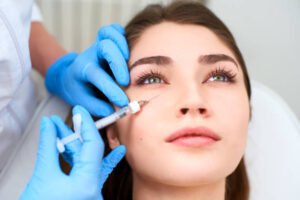
The skin around the eyes is delicate and often shows visible signs of tiredness, dryness, and ageing. Dark circles, puffiness, and fine lines are common concerns for people of different ages. Although these changes are usually harmless, they can affect how refreshed or rested the face appears.
Under-eye concerns can develop for several reasons, including genetics, sleep patterns, allergies, sun exposure, natural ageing, and skin pigmentation. Understanding the possible causes is an important first step toward choosing suitable skincare products and building a routine that supports the delicate eye area.
What Causes Dark Circles Under the Eyes?
Dark circles do not have a single cause. In some people, they are related to inherited facial features or naturally occurring pigmentation. In others, the appearance may be influenced by thin skin, visible blood vessels, shadows created by the shape of the eye socket, or age-related changes.
Lack of sleep can make the face appear tired and may make existing under-eye shadows more noticeable. Allergies can also contribute to puffiness and discoloration, particularly when they lead to frequent rubbing of the eyes.
Sun exposure may contribute to pigmentation, while dehydration can make fine lines appear more prominent. Because several factors can overlap, a skincare product may improve the appearance of the area without eliminating the underlying cause of dark circles.
Why Does the Under-Eye Area Need Special Care?
The skin around the eyes is delicate and can be more susceptible to dryness and irritation than some other areas of the face. Rubbing, harsh cleansers, unsuitable skincare products, and excessive exposure to sunlight may affect its comfort and appearance.
A gentle routine helps protect this area. Use a mild facial cleanser, avoid vigorous rubbing when removing makeup, and apply products with light tapping movements rather than pulling the skin.
It is also important to choose products specifically intended for the eye area. Facial products containing strong active ingredients may not always be suitable for use close to the eyes.
How Can an Under-Eye Gel Fit Into a Skincare Routine?
Under-eye gels are formulated to address concerns such as dryness, puffiness, fine lines, and the appearance of dark circles. Their lightweight textures can make them convenient for people who prefer a less rich product around the eyes.
One option is Dexperts Under Eye Gel 15g, available through Cureka.
According to the product listing, the formula includes hyaluronic acid, retinol, collagen, and advanced peptides. These ingredients have different roles in skincare formulations:
- Hyaluronic acid: Helps attract and retain moisture, supporting a hydrated and smoother-looking skin surface.
- Retinol: A vitamin A derivative used in skincare to support skin renewal and improve the appearance of fine lines. It may also cause irritation, particularly when introduced too quickly.
- Collagen: A structural protein naturally found in skin. In topical formulations, collagen is generally used for skin conditioning and hydration rather than replacing the body’s own collagen.
- Peptides: Certain peptides are included in cosmetic products designed to support the appearance of smoother, firmer-looking skin.
The results of a topical product depend on its complete formulation, how it is used, and the individual’s skin. An under-eye gel cannot be expected to eliminate every type of dark circle, particularly when genetics, facial anatomy, or an underlying medical condition is involved.
How to Apply Under-Eye Gel Correctly
Application technique matters because the skin around the eyes is sensitive. Follow the directions on the product packaging and avoid using more than recommended.
1. Start With Clean Skin
Cleanse your face gently and pat it dry. Remove makeup carefully without rubbing or pulling at the eye area.
2. Use a Small Amount
Apply only the quantity recommended on the product label. Gently pat the gel onto the skin around the eyes using a clean fingertip, keeping it away from the eyes and eyelid margins unless the product instructions specifically state otherwise.
3. Introduce Active Ingredients Gradually
Because Dexperts Under Eye Gel contains retinol, people who are new to retinol-based skincare should pay attention to the directions and their skin’s response. Avoid combining it immediately with multiple other strong active products around the eyes.
Discontinue use if persistent redness, burning, peeling, or swelling develops, and seek professional advice if symptoms continue.
4. Follow With Daytime Sun Protection
Sun exposure can contribute to pigmentation and visible signs of ageing. Use a broad-spectrum sunscreen during the day and consider sunglasses or a hat when outdoors. Apply sunscreen carefully around the eye area according to its label instructions.
Everyday Habits That Support a Fresher-Looking Eye Area
Skincare products work best as part of a broader routine. Several everyday habits may help reduce the appearance of tiredness and support skin health.
Maintain a consistent sleep schedule. Most adults benefit from around seven to nine hours of sleep each night. Consistent rest may help reduce the tired appearance associated with inadequate sleep.
Stay adequately hydrated. Drinking sufficient fluids supports normal body functions, while a suitable moisturiser can help address surface dryness around the eyes.
Avoid rubbing your eyes. Frequent rubbing can irritate the delicate skin and may worsen inflammation or pigmentation in some individuals. If allergies cause itching, seek advice about appropriate management.
Protect the eye area from sunlight. Sunscreen, sunglasses, and shade can help limit ultraviolet exposure that contributes to pigmentation and skin ageing.
Maintain a balanced diet. Eat a varied diet containing vegetables, fruits, protein sources, and other nutrient-rich foods. If dark circles occur alongside persistent fatigue or other symptoms, a healthcare professional can assess whether an underlying issue needs attention.
Common Under-Eye Skincare Mistakes to Avoid
Even a carefully selected product may cause problems when used incorrectly. Avoid these common mistakes:
- Applying excessive amounts of eye gel in the hope of getting faster results.
- Bringing retinol-containing products too close to the eyes.
- Using several active ingredients at once without considering irritation.
- Rubbing the skin aggressively while cleansing or removing makeup.
- Skipping sun protection when pigmentation is a concern.
- Expecting a topical product to remove dark circles caused by genetics or facial anatomy.
Consistency and gentle handling are generally more useful than an overly complicated routine.
When Should You Seek Professional Advice?
Dark circles and puffiness are usually cosmetic concerns, but persistent or unusual changes may deserve medical assessment. Consult a healthcare professional if discoloration develops suddenly, swelling is persistent, symptoms affect only one eye, or the area becomes painful, red, or irritated.
If you experience ongoing fatigue along with noticeable changes around the eyes, professional advice can help identify whether another factor may be involved. A dermatologist can also help distinguish pigmentation from shadows, vascular changes, and other causes that may require different approaches.
People who are pregnant or breastfeeding should consult their healthcare professional before using retinol-containing skincare products. Those with sensitive skin or existing eye-area conditions should also seek advice before starting a new active formula.
Conclusion
Dark circles, puffiness, and fine lines can develop for different reasons, so effective under-eye care begins with understanding your skin and setting realistic expectations. Gentle cleansing, adequate sleep, hydration, sun protection, and careful product application can help maintain a comfortable, healthy-looking eye area.
An under-eye gel containing ingredients such as hyaluronic acid, retinol, and peptides may complement a skincare routine, but results vary and not every cause of dark circles responds to topical products. Reviewing the product instructions, introducing active ingredients carefully, and seeking professional advice when necessary can help you make informed choices for your under-eye skincare routine.