Property owners often think about gates only after a problem appears. A sagging wooden gate, a rusted latch, or a driveway entrance that no longer closes properly can push the topic to the top of the list quickly.
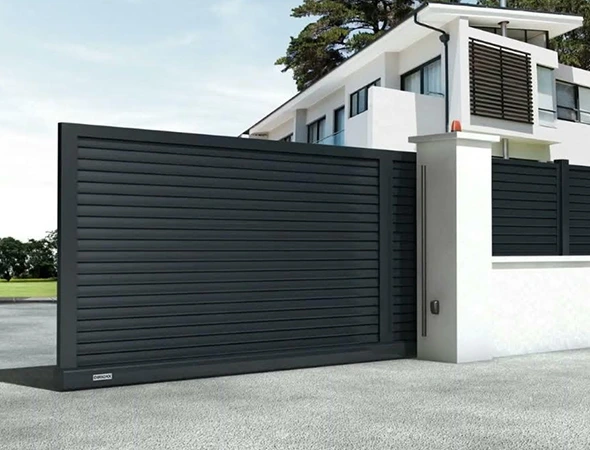
That is often when aluminum gate installation in Langford, BC starts to make sense. Aluminum has become a common choice across residential and light commercial properties in the area, and the reasons are practical rather than decorative.
This article looks at how these gates work, why the material holds up well in the local climate, and what property owners typically consider before installing one.
Why Aluminum Has Become a Popular Gate Material
Aluminum is a lightweight metal that resists rust, which matters in a coastal region with regular rain and damp air.
Unlike steel, aluminum does not corrode when the protective coating is scratched. That single trait explains much of its appeal in Vancouver Island communities, where moisture is a constant factor rather than an occasional one.
The material also stays light without giving up strength. A lighter gate puts less strain on hinges, posts, and automation systems, which tends to extend the life of the moving parts.
Here is how aluminum usually compares with other common gate materials:
- Aluminum: Rust-resistant, lightweight, low maintenance, moderate cost.
- Steel: Very strong, but prone to rust if the coating fails.
- Wood: Attractive, but needs regular sealing and warps over time.
- Vinyl: Low upkeep, but less durable under heavy use.
For most homeowners weighing long-term upkeep against upfront price, aluminum lands in a comfortable middle.
What the Installation Process Typically Looks Like
A proper installation depends on more than the gate itself. The foundation, posts, and alignment matter just as much.
Installers usually start by assessing the driveway or entry width, the slope of the ground, and the type of opening required. A swing gate needs room to arc open, while a sliding gate needs clear track space to one side.
Automated gates add another layer. These use a motor and control system that opens the gate with a remote, keypad, or sensor. Getting the electrical work and safety sensors right is where professional experience becomes important.
Posts also carry real weight here. Gates that shift or drop within a year usually trace back to posts that were not set deep enough or anchored in enough concrete.
Benefits That Matter for Local Properties
The advantages of an aluminum gate go beyond appearance, though curb appeal is part of it.
Security is often the first reason people install one. A well-built gate controls who enters a property and adds a clear boundary at the driveway or walkway.
Maintenance is the second draw. Aluminum rarely needs more than an occasional wash, unlike wood that demands sealing or steel that needs rust treatment. Over a decade, that difference in upkeep adds up.
There is also the resale angle. A clean, functional entrance gate signals a cared-for property, and buyers tend to notice details like that during a walkthrough.
A Common Real-World Scenario
Consider a family in Langford, BC with a wooden driveway gate that had started to warp and stick after several wet winters.
The gate no longer latched cleanly, and the automation motor strained every time it opened. Rather than repair failing wood again, they replaced it with an automated aluminum swing gate.
The lighter material eased the load on the motor, and the rust resistance removed the yearly maintenance headache. Situations like this are why so many local replacements shift toward aluminum rather than a like-for-like wood rebuild.
Commercial properties face a similar decision. Businesses looking into commercial garage door services in Colwood, BC often bundle gate and entry upgrades together, since both handle daily traffic and share the same wear concerns.
How Gates Fit Into Broader Access Needs
Gates rarely exist in isolation on a property.
Many owners think about the full entry system at once, especially on commercial sites. That is where firms such as Door-Mount Overhead Door Services and other regional contractors often handle gates alongside overhead and garage door work.
For commercial buildings, the overlap is clear. A company evaluating commercial garage door services in Colwood, BC may also need a secure perimeter gate, and coordinating both under one plan keeps the access points consistent.
The takeaway is simple. Treat the gate as one part of a property’s overall access setup rather than a standalone add-on.
Frequently Asked Questions
How long does an aluminum gate last?
With minimal maintenance, an aluminum gate can last 20 years or more. Its rust resistance is the main reason it outlasts most wood and untreated steel options.
Are aluminum gates strong enough for security?
Yes. Modern aluminum gates use reinforced panels and frames that resist forced entry, while staying light enough for smooth automation.
Can an existing gate opening be automated?
Often, yes. Many gates can be fitted with a motor and control system, though the gate’s weight, size, and post strength determine whether it is practical.
Do aluminum gates need painting?
No. Most come with a factory powder coating, a baked-on finish that resists fading and chipping, so repainting is rarely required.
What causes a gate to sag over time?
Sagging usually comes from posts that were not set deep enough, worn hinges, or a gate too heavy for its frame. Proper installation prevents most of these issues.