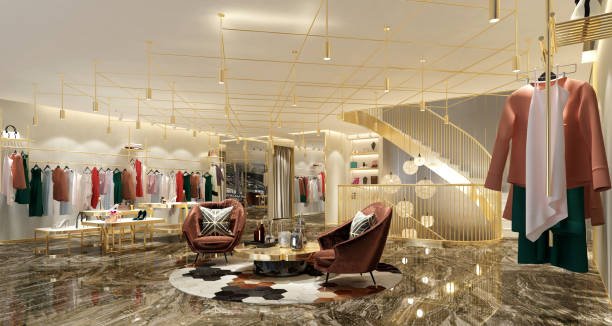
Choosing someone to design your home is a bigger decision than it might seem at first. You’re not just picking paint colors or deciding where the sofa goes. You’re trusting someone with your space, your money, and the way you’ll live every day. That’s where a Boutique Interior Design Firm in Las Vegas can offer something different. Smaller firms often work more closely with clients, pay attention to personal preferences, and take time to understand what a home actually needs. Larger firms have their advantages too, of course. They may have bigger teams and more resources. But if you want a home that feels personal instead of looking like a showroom, the way your designer works matters quite a bit.
A More Personal Relationship With Your Designer
One of the biggest differences is the relationship you build with the people handling your project. At a boutique firm, you’re more likely to work directly with the principal designer or a small, familiar team. You aren’t always explaining the same idea to three different people, hoping the message gets passed along correctly. That makes communication easier, and honestly, it can save a lot of frustration. A designer who knows your habits, preferences, and little annoyances can make better decisions for your home. Maybe you need storage because the kitchen counter always gets cluttered. Maybe you hate rooms that look too formal. Those details might sound small, but they influence the entire design. A more personal approach gives them room to matter.
Design Choices Built Around Your Lifestyle
Boutique interior designers generally have more flexibility to shape a project around the individual client. Instead of relying heavily on a standard process or familiar design package, they can adjust their approach to suit the home and the people living in it. That doesn’t mean every small firm is automatically better. It means the working relationship may allow for more detailed conversations and creative adjustments. For example, a family with young children has different needs from a couple renovating a second home. Someone who entertains every weekend will use their living and dining areas differently from a person who prefers quiet evenings. Good design starts with those realities. The expensive furniture can come later. A beautiful room that doesn’t work for your everyday life isn’t much of a success.
Greater Attention to the Details That Matter
Interior design involves plenty of decisions that people don’t notice until something feels wrong. Lighting that’s too harsh, awkward furniture placement, cabinets that don’t open properly, or materials that look great in photographs but wear poorly over time. Boutique firms often keep their project lists smaller, which can give designers more time to review these details. They may spend longer comparing finishes, checking proportions, and making sure separate rooms feel connected without becoming identical. There’s also more opportunity to discuss why a particular choice makes sense instead of simply being told what to buy. Still, attention to detail depends on the individual designer, not just the size of the company. Ask how projects are managed and who checks the work before assuming a smaller team will automatically deliver better results.
Flexibility Without Losing the Bigger Picture
Home projects rarely go exactly as planned. A material becomes unavailable, construction reveals an unexpected problem, or you change your mind after seeing a sample in the actual room. It happens. A boutique design studio may be able to respond quickly because fewer people need to approve every adjustment. You might have a direct conversation with the person making the decisions, rather than waiting for information to travel through several departments. That can make the process feel less rigid. However, flexibility doesn’t mean changing everything whenever an idea pops up. A good designer will explain the cost, timeline, and practical consequences before recommending a change. The goal is to adapt when needed without losing the original vision or letting the budget get out of hand.
A Distinctive Style Instead of a Copy-and-Paste Look
Larger firms can produce excellent work, but their processes may sometimes favor established design systems that help them manage multiple projects efficiently. Boutique firms often build their reputation around a particular design sensibility, a close client relationship, or a willingness to explore less predictable ideas. This can be useful if you want a home that reflects your personality rather than whatever style is popular this season. Think about mixing older furniture with modern finishes, using unusual textures, or designing a room around a meaningful family item. These choices need thought, not just a shopping list. A skilled designer knows how to make different elements work together. The result doesn’t have to be loud or expensive. Sometimes the best spaces are the ones that feel comfortable without looking like somebody copied an entire room from a catalogue.
Budget Transparency and Smarter Spending
A boutique firm isn’t necessarily cheaper than a larger company. In some cases, its fees may be higher because you’re paying for specialized attention and direct access to an experienced designer. What matters is understanding where the money goes. Before signing an agreement, ask about design fees, purchasing arrangements, contractor coordination, and any additional charges that could appear later. A thoughtful designer should also understand when spending more is worthwhile and when it isn’t. You may need durable flooring, but that doesn’t mean every decorative item has to be expensive. The right guidance helps you put money into features you’ll appreciate for years. If you’re comparing Luxury Home Designers in USA, look beyond attractive portfolios and impressive project photographs. Ask how each firm handles budgets, communicates changes, and balances appearance with practical needs. Those answers reveal more than a polished presentation ever will.
Conclusion: Choose the Firm That Understands Your Home
The difference between a boutique interior design firm and a larger company often comes down to the working experience. A smaller team may offer closer communication, more personal decisions, and greater flexibility throughout the project. A larger firm may bring broader resources, specialized departments, and experience managing complicated jobs. Neither option is automatically the right one. Look at completed projects, discuss your expectations, and pay attention to how the designer listens during your first conversations. Do they ask useful questions, or are they already pushing their favorite style? That tells you something. At the end of the day, your home should work for the way you actually live, not just look impressive in pictures. Find a design team that understands that, and you’re already starting from a much better place.