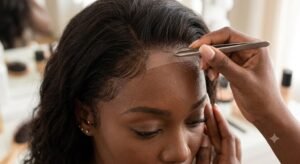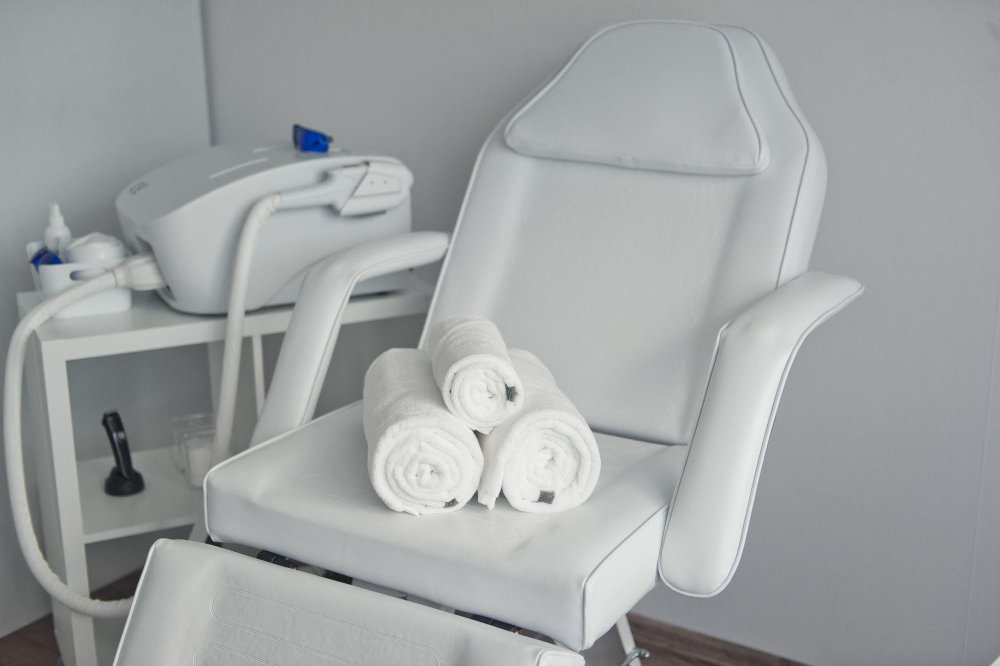
A facial treatment can take time, so the furniture used during the service needs to be comfortable for the client and easy for the therapist to work around. The right facial chair can make the treatment area more comfortable, organized, and suitable for daily salon use.
For salon owners, the choice should go beyond colour and appearance. The size of the room, type of treatments, cleaning routine, client comfort, and durability all deserve attention before buying.
What Should You Look for in a Facial Chair?
Start with the treatments you provide. Facials may involve cleansing, exfoliation, masks, massage, and other skincare steps. The client may need to remain in the same position for much of the appointment.
A suitable facial chair should provide enough support while allowing the therapist to reach the client’s face and neck without repeatedly bending or stretching.
Depending on the model, features such as an adjustable backrest, suitable cushioning, and height adjustment can make the treatment easier to manage. The important point is to choose features that match the services offered in your salon.
Client Comfort Matters
A client who is uncomfortable may find it difficult to relax during a facial. Pay attention to the cushioning, back support, head position, and overall shape of the chair.
The chair should allow the client to remain comfortably positioned during the treatment. Small details such as suitable padding and an adjustable backrest can be useful when appointments last for an extended period.
Comfort should not mean choosing the softest chair available. Too much cushioning can make it harder for the therapist to work, so the chair needs to provide a good balance of comfort and support.
Make Sure the Therapist Can Work Comfortably
The therapist’s working position is just as important. During a facial, they may need to work around the client’s face, neck, and shoulders for several minutes at a time.
A facial chair with suitable height and positioning can make this easier. The therapist should have enough room to move around the chair without constantly bending or reaching across the client.
If several therapists use the same room, adjustable furniture can also be useful because different people may prefer slightly different working positions.
Check the Upholstery and Cleaning Requirements
Beauty treatments involve creams, cleansers, masks, oils, and other products. The chair’s upholstery should therefore be easy to clean after each appointment.
Look closely at the surface and stitching. Complicated seams or hard-to-reach areas can make routine cleaning more difficult.
Choose materials that can cope with regular wiping and follow the manufacturer’s cleaning instructions. A simple cleaning routine also helps staff prepare the treatment area efficiently between clients.

Measure the Treatment Room First
Before ordering furniture, measure the available space. A chair that fits comfortably in a showroom may leave little room for movement in a smaller salon.
Leave enough space around the chair for the therapist to work. You may also need room for a trolley, stool, towels, skincare products, and other equipment.
Check the chair’s full dimensions, including any reclining movement. This is particularly important if the chair needs to move backwards or forwards during treatment.
Consider Your Other Salon Furniture
A treatment room should feel comfortable and organized. The facial chair should work with the rest of your furniture rather than making the room feel visually crowded.
Think about the finish, colour, size, and overall style of the existing space. If your salon offers several beauty services, the furniture should also support the way the rooms are actually used.
For salons with multiple treatment areas, matching furniture can create a more consistent look without requiring every item to be identical.
What About Beauty Salon Beds?
If your salon provides services beyond facials, you may also need beauty salon beds for treatments that require clients to lie down for longer periods.
The choice depends on the services you offer. A dedicated treatment bed may be more suitable for certain body treatments, while a facial chair can be better suited to skincare services where the therapist needs easy access to the client’s face.
There is no need to choose the same type of furniture for every treatment. Match each piece to the work being carried out.
Think About Durability
Salon furniture is used repeatedly throughout the day. Before buying, check the frame, moving parts, upholstery, and overall construction.
A chair that looks attractive but cannot handle regular use may become costly to replace. Ask about warranty coverage and after-sales support as well.
If the salon has several therapists and a busy appointment schedule, durability should be one of the main factors in the decision.
Choose Furniture That Fits Your Salon
The right furniture should work for the space, the therapists, and the treatments you provide. There is no need to choose a chair simply because it has the most features.
Instead, consider how the furniture will be used every day. Check the dimensions, comfort, adjustability, upholstery, cleaning requirements, and construction before making a purchase.
Final Thoughts
Choosing a facial chair is easier when you start with the needs of your salon rather than appearance alone. A comfortable chair can support a better treatment setup, while suitable dimensions and easy-to-clean upholstery can make everyday work simpler.
Take time to compare the available options and consider how the furniture will fit into your treatment room. The right choice should be comfortable for clients, convenient for therapists, and durable enough for regular salon use.